




William C. Vantuono
Wednesday, November 27, 2019
Comment period extended for proposed rule on rail employee training
The notice of proposed rulemaking pertains to training for Class II and Class III rail employees.
The notice of proposed rulemaking pertains to training for Class II and Class III rail employees.
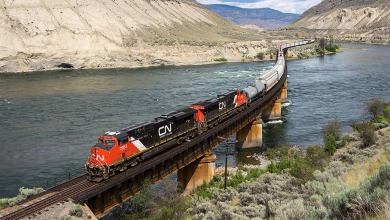
The implementation of Positive Train Control is the largest technology program deployed in CN history and they are already ahead of the game
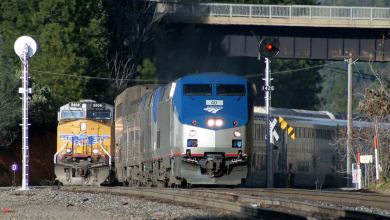
The bill introduced by Sen. Dick Durbin (D-Illinois) would allow Amtrak to sue freight railroads for not giving Amtrak preference on freight rail-owned track.
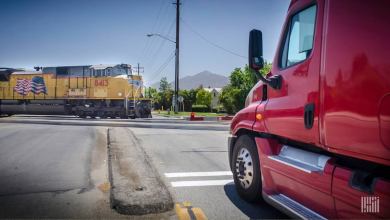
The Federal Railroad Administration is proposing all states address highway-rail grade crossing safety.
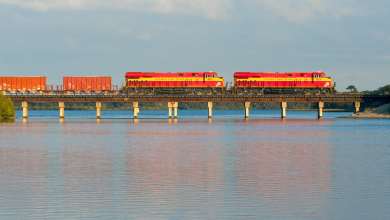
Shipping liquified natural gas by rail is a controversial topic. Read what Jim Blaze thinks about the idea in his latest commentary.
Funding bill leaves out protections sought by U.S. House.

LNG export proposal immediately slammed by Democrat lawmakers.
Awarded projects could benefit freight rail indirectly.
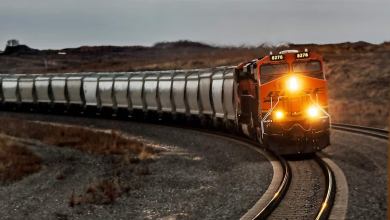
The railroads say the union refuses to negotiate on train crew size as both sides prepare for a new collective bargaining agreement.

The Class I railroads are steadily implementing positive train control, but the railroads overall still have a ways to go before the December 2020 deadline.
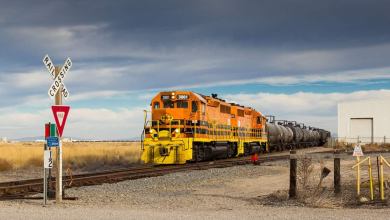
The Federal Railroad Administration is asking freight and passenger railroads to apply for grants aimed at upgrading infrastructure or enhancing safety.

The states of Illinois, Nevada and Washington are seeking to push ahead with state laws requiring a train crew size of at least two individuals, despite a federal declaration saying that such laws have been voided.
Passenger train proposal asks for comment on freight requirements as well.
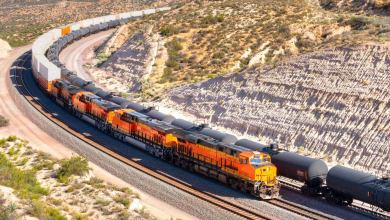
“Without documented strategies for how it plans to communicate the results of its research, FRA may lose an opportunity to effectively work with internal and external stakeholders – such as railroads, rail workers and local communities – to address any risks of operating longer trains in support of the agency’s mission of enabling the safe, efficient and reliable transportation of people and goods.”
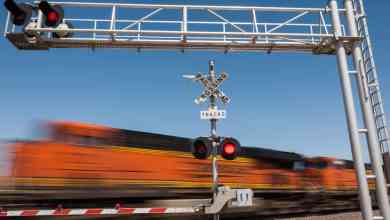
Blocking railroad crossings in Oklahoma now could come at a financial cost for freight railroads.

Some members of Congress remain determined to address the question of whether having more crew members on a train makes that train safer.
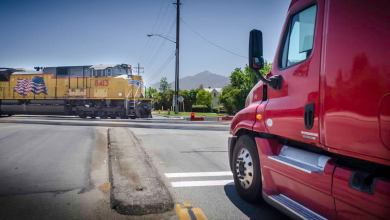
The implementation of precision scheduled railroading has contributed to dwindling morale and could result in creating unsafe working conditions should the federal government withhold intervention, according to union witnesses at a June 20th Congressional hearing on rail safety.
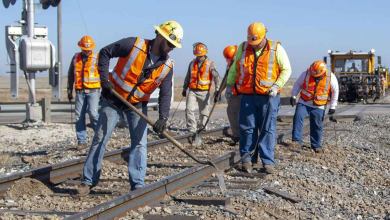
The Federal Railroad Administration is awarding more than $326 million in grants to help states and localities repair, maintain and build rail infrastructure supporting freight rail and intercity passenger rail.
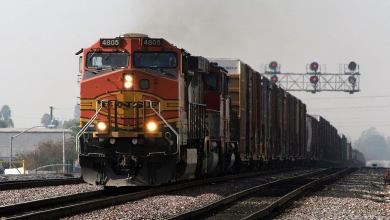
The U.S. Supreme Court declined to hear a case again about whether Amtrak can have a role in crafting the on-time performance metrics and standards for the freight railroads. The Court’s June 3 action paves the way for Amtrak and the Federal Railroad Administration to finish establishing those metrics and standards.

Only 17 percent of the relationships between the U.S. passenger and freight railroads required to utilize positive train control technology have interoperability, meaning that the host railroad can communicate with a non-host train through the technology, according to data released by the Federal Railroad Administration.