




Jim Blaze
Tuesday, August 13, 2019
Commentary: What’s in a railroad map?
As railroads cut less profitable routes, shippers should learn as much as possible about railroads plans for future service.
As railroads cut less profitable routes, shippers should learn as much as possible about railroads plans for future service.
Jim Blaze writes about the recent history of intermodal rail service and what may happen in the next few years.
The Class I railroads have reported their second quarter/first-half of 2019 results. Jim Blaze writes about what may happen during the remainder of 2019.
Jim Blaze writes about earnings season for the railroads, and what investors, customers and employees should be looking and asking for in the railroads’ quarterly earnings reports.
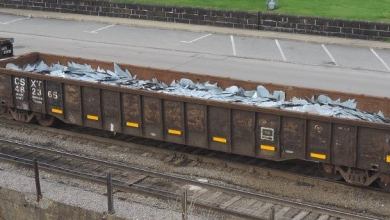
Jim Blaze writes about railroad movement of scrap – the market today and the future of the market.
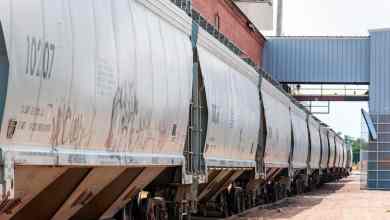
Jim Blaze writes about the movement of grain by rail. This is a huge business for U.S. and Canadian railroads, and is also critical to the export market of the two countries.
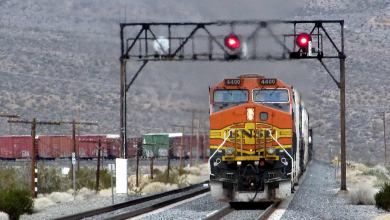
The transition to e-commerce and anticipated advances in automated trucking are forcing the freight railroads to adapt to supply chains that require railroads to be more responsive and nimble. One way that the railroads are seeking to address this challenge is by hiring executives outside of the railroading community, in the hopes that placing a non-rail executive in a leadership role will help the railroad weather systemic changes within the supply chain.
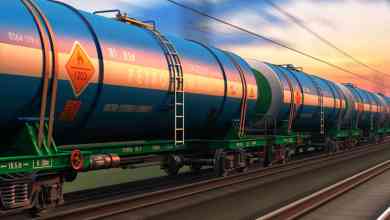
Railroad market expert Jim Blaze writes about the movement of chemicals by rail and how that sub-set of railroad traffic is profitable and may grow significantly in the near future.
Market expert Jim Blaze explains the economics behind railcars. He also provides information about the various types of railcars and what market conditions the railroads are facing as they seek to “right-size” their fleets.
Market expert Jim Blaze compares and contrasts Amtrak and America’s freight railroads.
Market expert Jim Blaze looks at an under-appreciated asset of North America’s freight railroads – their real estate holdings. Read Jim’s hypothesis of what the railroads might do with this real estate in the near future.
Market expert Jim Blaze looks at how rail freight volume has changed over the years and what the outlook is for the next decade. Learn what he thinks will happen to the railroad industry in its long-term competition with trucking to carry freight.
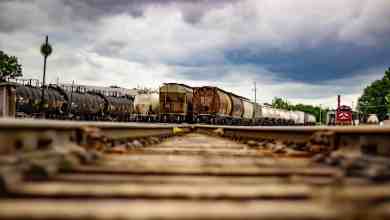
Add Ohio and Washington state to the list of states where leaders are debating whether to require freight railroads to have at least two crew members per train. Ohio and Washington state legislators have introduced bills this spring mandating a minimum crew size for freight trains. Washington state’s bill takes the debate one step further by also defining how many crew members should be operating a train that’s carrying crude oil.
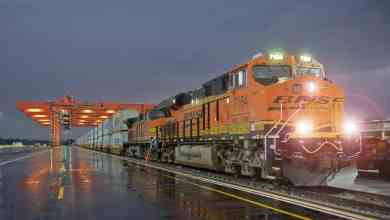
Amtrak wants to cut long distance trains for those that travel between heavily populated city pairs. But that plan doesn’t track with what Congress and the freight railroads want.