





Greg Miller
Thursday, May 25, 2023
Sun still shines on South America’s container shipping trade
Not all cargo markets are back to pre-COVID “normal.” Container shipping rates to South America remain elevated.
Not all cargo markets are back to pre-COVID “normal.” Container shipping rates to South America remain elevated.

Large liquefied petroleum gas tankers are riding high on rising U.S. exports and higher Chinese import demand.

Bed Bath & Beyond “failed to manage its own supply chain” and “exacerbated the bottlenecks faced by other shippers,” alleges OOCL.
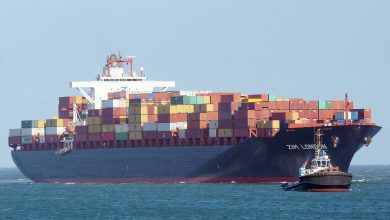
Zim outperformed competitors on the way up and is falling faster than other carriers on the way down.
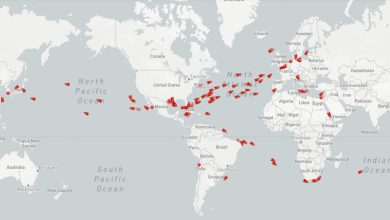
Europe faced a potentially disastrous energy shortage after war broke out. LNG shipping played a vital role in limiting the fallout.
Outsize profits are still flowing to companies like Danaos and Costamare that lease ships to container lines.

The container shipping party is over — that’s old news. Yet headlines continue to focus on comparisons to the peak.
The CEO of shipping line Hapag-Lloyd argues that current freight rates are unsustainable and will correct upward over time.

Is the sharp decline in shipping stocks a canary in the coal mine or an opportunity for investors to buy the dip?
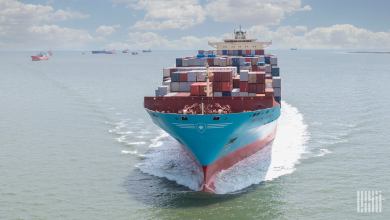
America’s imports are not signaling a recession, at least not yet. Inbound volumes are rising from the bottom.
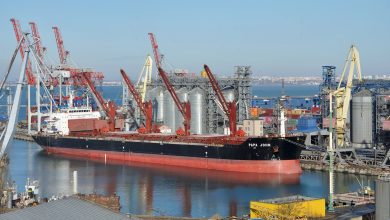
The war has stoked fears of global shortfalls of wheat, corn and fertilizers, but the flexibility of shipping trades has limited the risk.
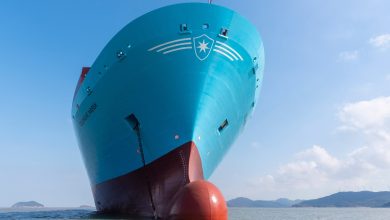
Inventory destocking is the biggest container shipping headwind, says Maersk. Its data shows no evidence of inventory pressures alleviating yet.

The price of crude oil is now lower than it was when OPEC announced its latest cuts, fueling more concern on tanker demand.

Bed Bath & Beyond got pummeled by the supply chain crisis. The company is now targeting shipping lines for allegedly compounding its woes.

The Europe-U.S. trade held up a lot longer than the Asia-U.S. trade, but trans-Atlantic premiums are now fading away.

Tanker investors have been disappointed before. Is the current stock pullback a bump in the road or something more?

As new container ships flood the market amid weak demand, Drewry expects low freight rates to persist through 2024.
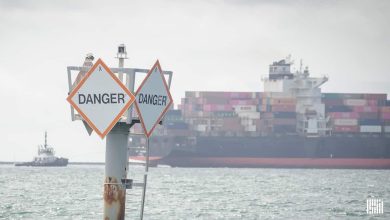
There is growing sentiment that higher trans-Pacific spot rates will not hold and prospects for shipping lines remain weak.

Mainstream tankers have moved into the Russian crude export trade. The price cap might push them back out again.

“We are starting to see ocean carriers systematically take geopolitical risk into consideration,” says Xeneta’s Erik Devetak.