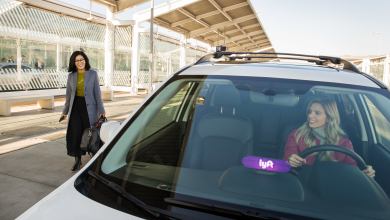
California to require electric vehicles for most Lyft, Uber drivers
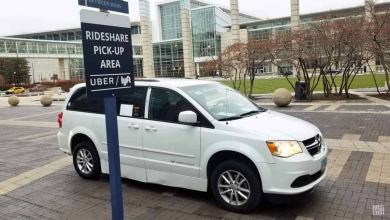
The California Air Resources Board has voted to require rideshare companies like Uber and Lyft to conduct 90% of all rides in electric vehicles by 2030.


Startup Curri is trying to apply gig economy principles to the building and materials industries. Its founders answered Modern Shipper’s questions.
Electric vehicle startup Arrival announced it would build a ride-hailing specific electric car for Uber to use in the U.K. and Europe. Separately, Uber said it will now deliver everyday essential items to customers from Gopuff in the U.S.
The best-in-class retailers are aggressively pursuing logistical control over their products while trying to avoid patchwork responses to final-mile delivery.
The city of Aspen has been running a parking reservation pilot program with Coord that enables commercial delivery fleets to secure parking spaces for their vehicles.
Gig workers are eligible for unemployment payments but verifying income levels can be difficult. The Workers Lab and Steady are teaming up to improve the process.
By some accounts, Instacart owns 50% of the online grocery market. With an IPO upcoming, I wanted to look back at how Instacart has gone from niche to necessity and question whether it can maintain this dominant position in a highly competitive, highly sought-after market post-COVID.
GoFor Industries will work with Aurora Aerial on a drone delivery test program, starting in Canada before expanding into other markets.
The Los Angeles Cleantech Incubator and the city of Santa Monica have launched what they said is the first Zero Emissions Delivery Zone in the nation for electric and other non-petroleum-powered vehicles.
In its first earnings statement as a public company, DoorDash posted record revenue and order volumes, but cautioned on 2021.
Volatile rates per hour and supply demands impacted gig economy drivers in 2020, but a brighter outlook is ahead.
FreightWaves has announced the launch of Modern Shipper. The editorial brand will provide news and information about e-commerce, the gig economy and the important roles each plays in the supply chain.
The gig economy grew at a 33% rate in 2020 as more workers looked for flexible work schedules and ways to supplement, or even replace, lost income during the pandemic.
A new organization in New Jersey backed by app-based companies and community leaders is working to ensure gig workers can maintain their flexible and independent employment status.
Social Auto Transport aims to connect the gig economy with car dealers to help improve the customer service experience.
Grocery is the only retail segment that has maintained (and even grown) its e-commerce penetration since peak levels in March, indicating the new normal is already here. The new normal is a much higher level of online demand, and grocers are getting wise about their fulfillment methods.
China opens its factories; 3.28 million U.S. workers apply for unemployment benefits; U.S. seeks to convince Saudi Arabia to end oil war.
Too much data leads to fueling issues for WEX. This and other stories you may have missed this week.
The gig economy is one more challenge for truck drivers.
Ben Thrower examines the issues surrounding California’s AB-5, which impacts truckers who are independent contractors.