





Greg Miller
Wednesday, May 25, 2022
Risky business: How shipping boom, war and COVID impact safety at sea
Safety stats show resilience despite aging ships, cut corners on maintenance and rising pressure on seafarers.
Safety stats show resilience despite aging ships, cut corners on maintenance and rising pressure on seafarers.
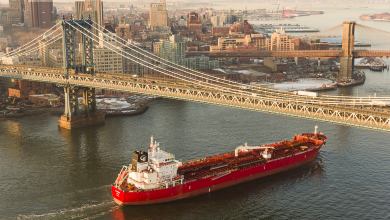
East Coast gasoline inventories are alarmingly low. Gasoline imports from Europe could help but may not be enough to fill the gap.

It has been a terrible year for the stock market, a great one (so far) for product tanker and dry bulk shipping stocks.
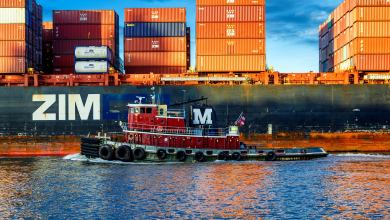
Zim continues to outpace growth rates of rival container shipping lines, but investor demand fears are on the rise.

Container shipping spot rates are easing, at least temporarily, and far fewer ships are stuck waiting off U.S. ports.
Ocean carrier Hapag-Lloyd sees consumer demand and spot rates slipping, with market highs in the rearview mirror.
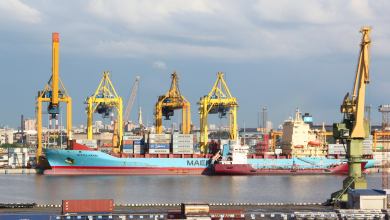
First came a pause in cargo bookings to Russia. Now, ocean carriers have halted almost all of their Russian port calls.

Shares of ocean shipping companies have given back much of their 2022 gains after another big sell-off.
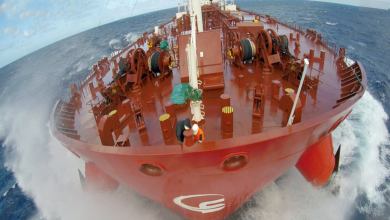
The pain at the pump keeps getting worse. Bad news for consumers. Good news for owners of refined product tankers.

‘Right now, we don’t see a huge buildup of volumes because of the closedown in Shanghai,’ reports Maersk CEO Soren Skou.
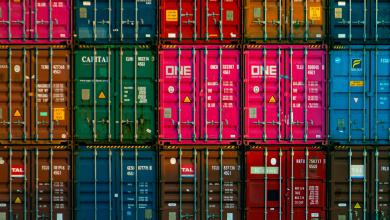
New container prices, new production, lease rates, lease durations and used container prices are all down.
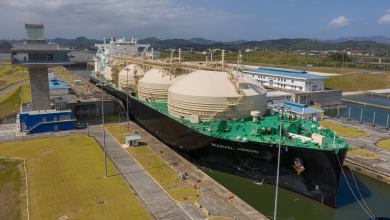
Container-ship transits of the Panama Canal are up as liners favor the East Coast. LNG transits are down as U.S. gas heads to Europe.

New reports from Maersk, Kuehne+Nagel and Drewry point to an ongoing boom for container shipping lines.

Retail stock pickers seem increasingly nervous about shipping. Shares of dry bulk, tanker, container and mixed-fleet owners all fell.

The Shanghai lockdown isn’t following the same supply chain script as the big Chinese disruptions of 2020 and 2021.
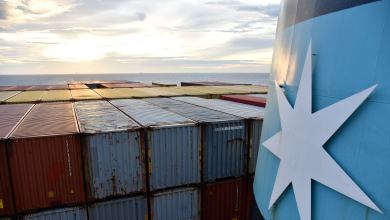
The trans-Pacific container trade is vastly different than pre-pandemic, with more ships, more competition, and a new leader: Maersk.

Russian imports via ocean, truck, rail and air are now being simultaneously squeezed. Shipping data shows growing pressure.

Tanker, bulker and LNG shipping stocks rise as domestic freight and container stocks face pressure.

The future of global supply chains is in flux. The pandemic was a game changer. Then came the war.
America’s largest container port, Los Angeles, just posted the best March and best first quarter in its history.