





Greg Miller
Tuesday, February 22, 2022
Shipping braces for impact as Russia-Ukraine crisis intensifies
Tanker and dry bulk trades could be disrupted; container shipping faces heightened risk of cyberattacks.
Tanker and dry bulk trades could be disrupted; container shipping faces heightened risk of cyberattacks.
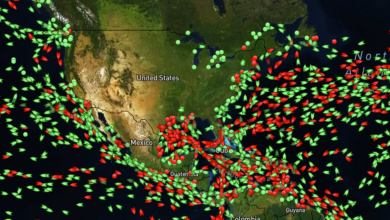
The more ocean shipping is in the news, the more attention it gets from tech founders and investors.
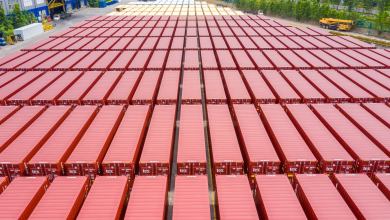
After last year’s historic run-up, factories are producing fewer containers and pricing of new boxes is down.

Jefferies analyst Randy Giveans maintains that container shipping stocks still have a lot more room to run.

Xeneta CEO Patrik Berglund explains how carrier negotiating power has changed the annual contracting equation.

Long-term contract rates are at record highs. Shipping lines hold all the cards at the negotiating table.
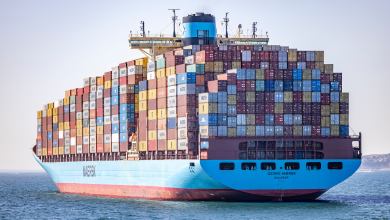
COVID container boom continues: Maersk may earn even more this year than in record-trouncing 2021.
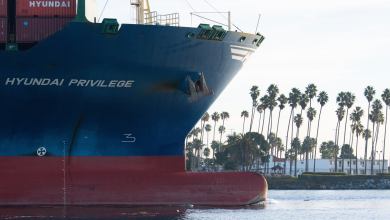
The number of ships waiting off Los Angeles/Long Beach fell 23% over the past week.

The cost of ship fuel looks like it’s about to topple records set in 2012 and 2008.
Accusations fly as shipping lines rake in billions, but the numbers imply more carrier competition, not less.
Barring an economic downturn, U.S. demand could still be squeezing ports a year from now.
Carrier profits are reaching previously unimaginable heights as supply chain disruptions supercharge gains.

SoCal imports suffering multimonth slide, not because of falling demand, but because of supply chain bottlenecks.
Shipping analysts rethink outlooks on crude and product tanker rates: already grim market appears even grimmer.

An attack on Ukraine could hike costs for shipowners and cargo shippers across the globe.

Could container shipping and tanker stocks end 2022 very differently than they began it?
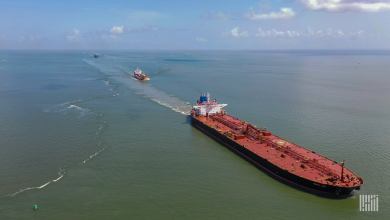
For bulk commodity shipping, a rough start to the year. For container shipping, the profit bonanza continues.
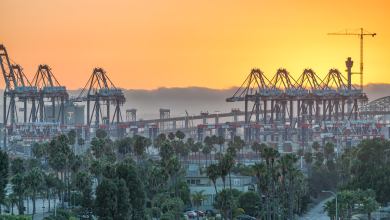
No letup yet: It’s taking even longer for Asian exports to get across Pacific to American buyers.

Shares of Zim are flirting with a new peak while shares of ship-leasing, dry bulk and tanker companies lose ground.
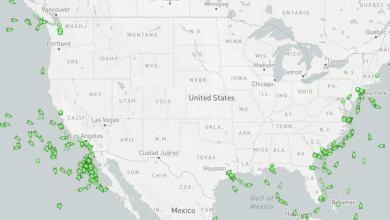
Popular interest in the supply chain may have faded, but the pileup of ships waiting offshore keeps growing.