Intermodal growth here to stay, says Hub Group
Hub Group’s second-quarter earnings beat was accompanied by the expectation for intermodal volume to increase in the high-single-digit range for the rest of the year.
“Cost containment” minimizes the impact of a 15% revenue decline during Schneider National’s second quarter. Guidance was reinstated higher than current consensus expectations.
The truckload carriers have reported solid results to start second quarter earnings season, but some load data is still lagging.
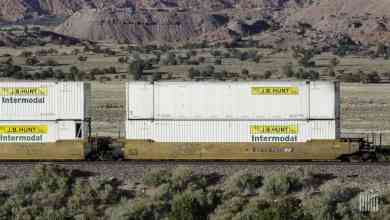
J.B. Hunt easily bests consensus forecasts led by better-than-expected intermodal and dedicated results. The back half of 2020 remains hazy on COVID-19 fears.
Mark-It Express Logistics is expanding again, acquiring 20-truck carrier Sava Transportation, as it looks to build a national name for itself in the intermodal business.
Anthony and Zach talk to rail and intermodal expert Mike Baudendistel about some interesting signals from that sector as well as connecting the dots between modes.
A new intermodal-focused transportation management system brings together the technologies and expertise of Profit Tools, Compcare Services and GTG Technology Group.
Peaceful protests and civil unrest continue in many major cities, including Chicago, following the death of George Floyd
Freight moving long distances in May might lead to a strong summer peak.
The fourth quarter of 2020 or the first quarter of 2021 might be when the intermodal sector will see some volume growth. But truck capacity, fuel pricing and pandemic uncertainties make a recovery hard to pin down.
Truckload and transportation companies talk freight markets ahead of reopening with some calling a market bottom in April as spot rates remain below breakeven.
Hub Group’s first quarter miss included several one-off expenses unlikely to recur. However, volume headwinds are expected to persist in the near-term.
A better than expected first quarter yields to expectations that a recovery may not occur until June. Some of Schneider’s customers are starting up again, but demand in May will likely be choppy.
The smallest of the standardized ocean containers in the global fleet remains ideal for dense, heavy agricultural goods, forest products, and machinery shipments.
Container equipment shortage exacerbated by COVID-19 pandemic stresses upper-Midwest soybean exporter trying to fill his springtime customer orders to Asia.
Knight-Swift’s better than expected quarter yields to further uncertainty as the year progresses.
Diminished railcar demand and COVID-19 headwinds force railcar maker to halt production and trim staff.
The J.B. Hunt first-quarter conference call provided a mixed bag of anecdotes. While concerns mount over economic disruption, the company has some offsets.
J.B. Hunt’s first quarter results, while slightly below consensus, were likely not as bad as feared. The company’s outlook provided on its earnings call will be the takeaway.
A report from Boston Consulting Group suggests that the Class I railroads must look beyond precision scheduled railroading and operating ratios if the industry wants to be a competitive transportation mode.