




Greg Miller
Tuesday, September 10, 2019
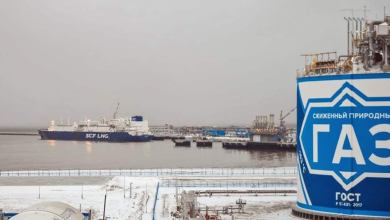
Another LNG nail in coal’s coffin?
Final investment decisions for new global LNG export plants are surging, a negative for future thermal coal demand.
Final investment decisions for new global LNG export plants are surging, a negative for future thermal coal demand.
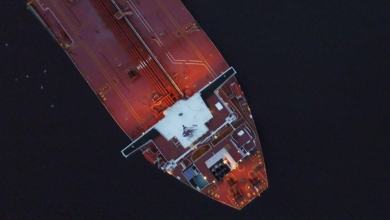
As with product tanker rates, crude tanker rates show no sign yet of upside from IMO 2020 preparations.
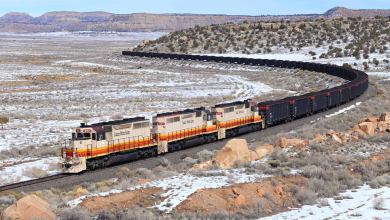
Low pricing will speed up Europe’s transition from coal to gas, according to Morgan Stanley.

One of the highest-profile owners in ocean shipping expounds LNG’s appeal.
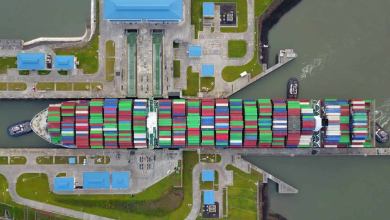
New incentives for container shipping could bring more boxes through the canal to the U.S. East Coast.
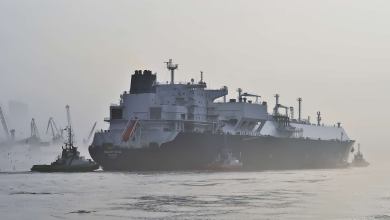
Bringing spot vessels together into a pooling arrangement made sense, but ultimately, business interests diverged.

Shipping rates are clawing their way back from lows set earlier this year.
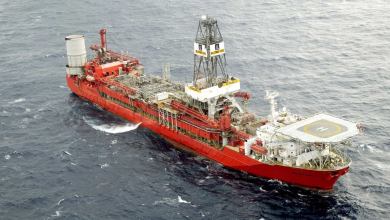
The Teekay companies continue to concentrate their focus on oil and LNG shipping.
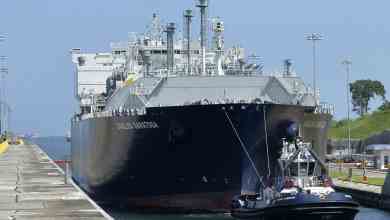
Executives at GasLog Ltd. believe the LNG shipping spot market is set to rebound. Others are not so sure.
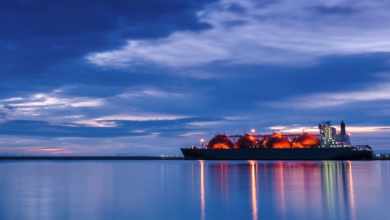
Government approval has been given for the construction of a $250 million (US$175 million) liquefied natural gas import terminal at Port Kembla, 44 miles to the south-south-west of Sydney, Australia. The country is facing a shortage of gas and record high prices, which is somewhat ironic because Australia is likely the world’s biggest exporter of gas.
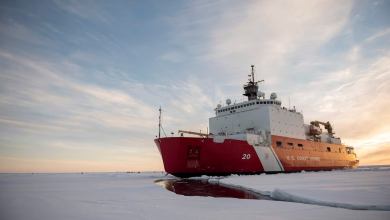
U.S. unveils new strategy in response to increasing investments by Russia and China.
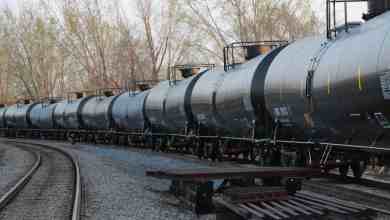
President Trump’s executive order would create new transportation option for capacity-constrained LNG markets.
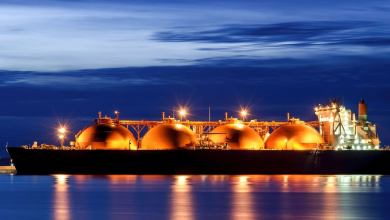
LNG shipments to Puerto Rico caught in the middle of latest battle over the Jones Act maritime regulation.
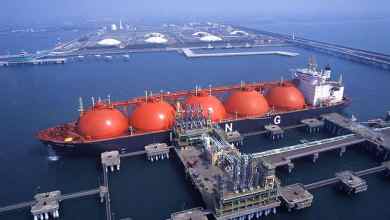
The rapid growth in LNG imports to China, Japan and Korea is driving the cost of transportation higher, with Atlantic cargoes bound for Asia approaching $100,000 per day for Large LNG carriers, up from $30,000 per day a year ago.