




Greg Miller
Wednesday, May 13, 2020
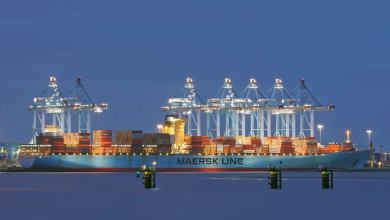
Maersk: Container volumes could fall 25%
World’s largest box carrier expects capacity cuts to mitigate volume downside.
World’s largest box carrier expects capacity cuts to mitigate volume downside.
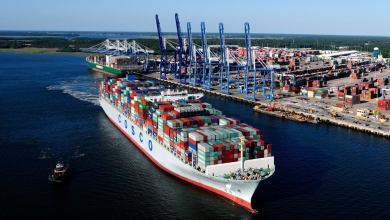
New data from eeSea reveals that U.S. ports will see capacity plunge by up to 20% this month.
Liners could scrape bottom over next two months, then recover.
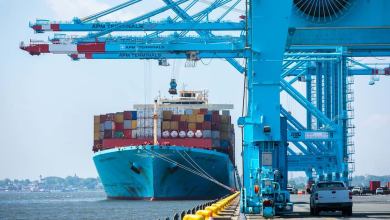
Judge gives Maersk go-ahead to jump ship from GCT terminal in Staten Island.
Here it comes: Ports will soon feel full force of canceled box-ship sailings.
World’s second-largest box carrier resolves its website woes.
Good news for box carriers: Freight rates haven’t collapsed. Bad news: Volumes have.
Website and the online booking platform of MSC have gone offline but fallout appears contained.
No collapse yet for ocean container spot rates. In fact, they’re up.
Carriers slash even more ocean services in bid to prop up rates as demand crumbles.
Coronavirus will inevitably infect more seafarers. How ports respond will be pivotal.
Canceled sailings surge, schedule reliability sinks and import demand evaporates.
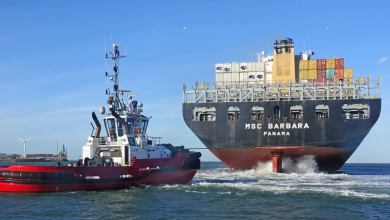
More booking cancellations equal more ocean-service cancellations equal more delivery uncertainty.
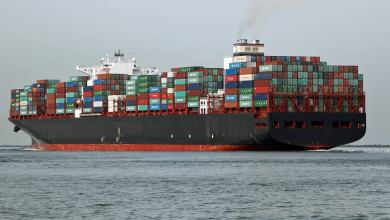
Ocean shipping has functioned well during the outbreak but pressures are mounting.
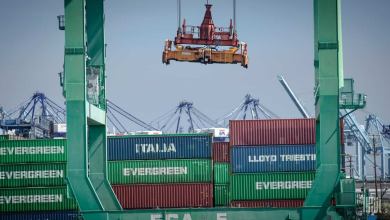
Coronavirus left containers scattered in the wrong ports. Liner companies are trying to get them back into position.
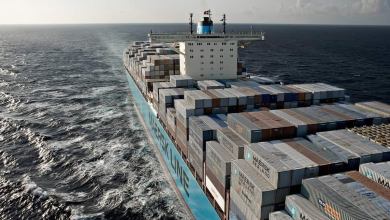
Outlook of world’s largest container line hinges on timing of coronavirus containment.

The Artic Ocean may be the next area that sees the superpower nations “rubbing up” on each other in search of faster ocean passage and a new source of natural resources.
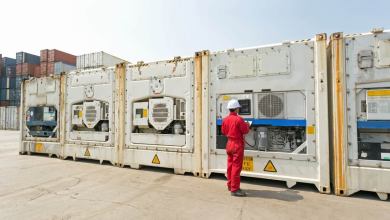
Inland trucking slowdown in China leaves port reefer plugs full, blocking refrigerated food imports.

But an undercover survey finds that traditional forwarders face increased pressure from container lines and digital forwarders.
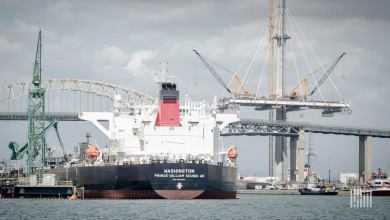
Shipyards are facing a scrubber stampede as container lines seek to sidestep paying for low-sulfur IMO 2020 bunkers beginning on Jan. 1.