Weekly Market Update: Volumes slide under previous year values as spring approaches
The overall market remains relatively stable as volume dip below 2018 levels in two major markets. Spring is around the corner. Will freight volumes return with it?
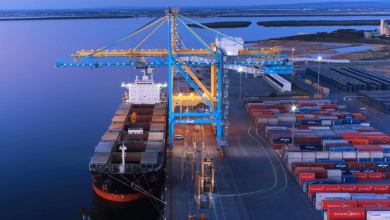
Flinders Ports, South Australia, had a mixed bag of containerised cargo throughput results in 2018 compared to 2017, new data analysis shows. Overall containerised throughput – which includes imports, exports, empties and boxes in various configurations – was essentially flat.
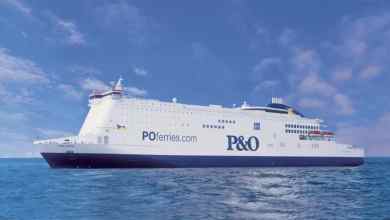
DP World (NASDAQ Dubai: DPW) announced that it will repurchase P&O Ferries from Dubai World according to a DP World press release. The acquisition will be worth BGP (British pound sterling) 322 million or $421 million. (All values will be converted to U.S. dollars.)
Containerized import volumes increased 9 percent last month over January 2018 totals.
The Houston-based startup is run by executives with decades of experience in global logistics, and plans to tackle the oil and gas vertical first.
The Schulte Group has acquired a majority stake in TecHullClean Ltd. (THC). Schulte said in a press release that the acquisition will expand the range of its underwater ship inspection, repair and maintenance (IRM) solutions.
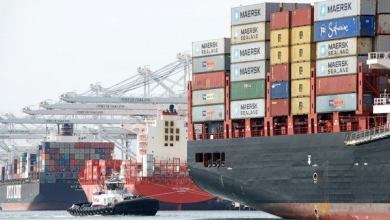
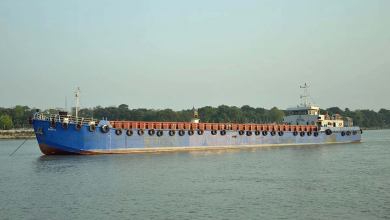
Container shipping line Maersk will move 16 containers on river Ganges (National Waterway-1) from Varanasi to Kolkata in India on February 12, marking the entry of commercial shipping players in India’s nascent inland water transport network.
Shippabo has created its own version of a fixed-rate contract, which helps small and mid-sized shippers gain access to direct-to-carrier contracts, allowing them to cut their shipping costs and secure reliable capacity.
New Zealand’s Ports of Auckland has been conditionally granted funds to buy hydrogen fuel cell vehicles as part of a wider project to build a hydrogen fuel production plant. That second project, in turn, is part of a bigger project to transform New Zealand into an electricity-powered economy.
The sun is setting on the Australian shipping register as ship operators abandon the local coastal trading regime. Ship operators are fleeing the flag following the 2012 reforms.
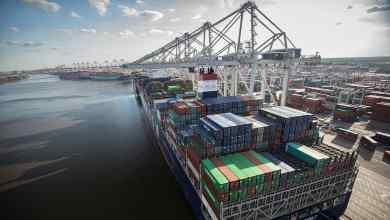
$2 billion in capex over the next ten years will nearly double Savannah’s container traffic to 8 million TEUs annually.
Infestations of the brown marmorated stink bug found on ships en-route to Australia are causing havoc with local supply chains. Bugs are breeding, ships are re-routing, trucks are idling and supply chains are collapsing.
Storing real-time data from aircraft and sea vessels on the cloud has been subject to a lot of debate, as the data that gets transmitted could be hacked in by people with nefarious motives. Blockchain could be a respite.
Freight lobbyists are banking on leadership changes in the 116th Congress to pave the way for infrastructure financing that stalled during the first half of Trump’s administration.
Maritime startup Neoline is working along with the Renault Group to develop transatlantic vessels that use sails as the primary propulsion system and travel at the speed of 11 knots – a move that could reduce fuel consumption by atleast 80%.
An Eaton clutch defect leads to a recall of International truck models and other OEMs may have to follow suit, plus Amazon Air takes off and intermodal growth being driven by inland ports.
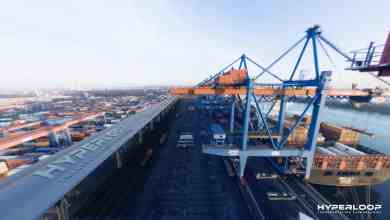
After unveiling its full-scale passenger hyperloop capsule in October, HyperloopTT is at the thick of things again, now partnering with Hamburg port terminal operator HHLA for a possible cargo hyperloop route.
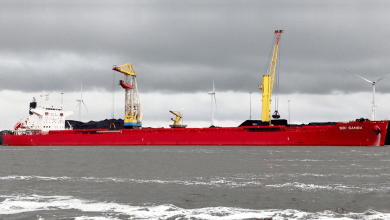
Dry bulk carriers outperformed the S&P 500 by a significant margin today, with Star Bulk Carriers, the largest publicly traded fleet in the segment, gaining 5.1% on the day.
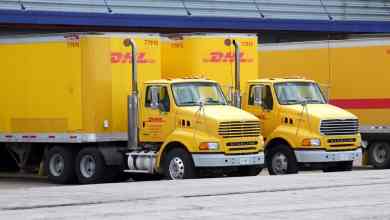
DHL’s advent into warehouse automation; India struggles with air pollution as coal consumption increases; WTI rates in danger of falling further.
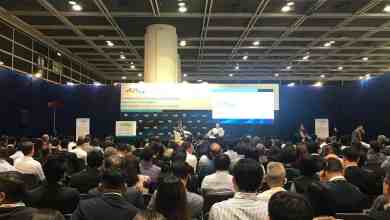
The conference attracted over 2,000 industry players and largely revolved around the topics of Asian connectivity, the impact of trade tariffs, and technologies that are revolutionizing the logistics industry.