




Greg Miller
Friday, December 17, 2021
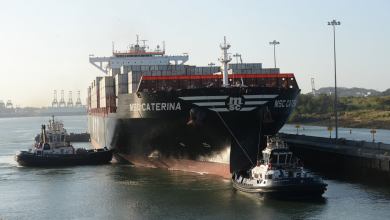
Escape from LA: More container business flees to East Coast
Carriers and shippers are turning to East Coast ports as Los Angeles/Long Beach remains mired in congestion.
Carriers and shippers are turning to East Coast ports as Los Angeles/Long Beach remains mired in congestion.
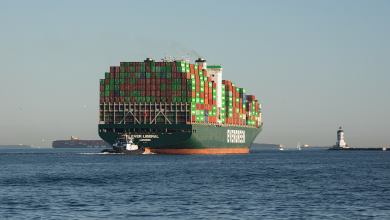
Import demand remains exceptionally strong but volumes through America’s largest port are falling.

SoCal port crunch “has really become as bad as it’s ever been,” reports industry veteran Jon Monroe.
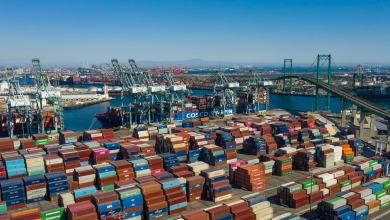
After brief reprieve, trans-Pacific shipping rates head back up, pointing to ongoing supply chain pressure.

Some public shipowners are turning toward more diverse fleets. Others are moving in the opposite direction.
Controversial plan to charge for containers lingering on terminals keeps getting delayed. Yet containers still linger.

The Friend of the Sea program calls on the international maritime sector to act immediately to prevent ship-whale collisions.

Container, dry bulk and tanker stocks are down from recent highs. Temporary setback or something more?
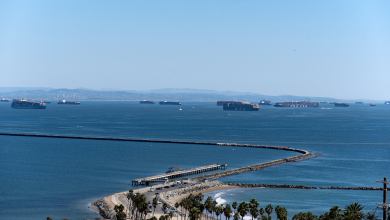
Marine Exchange now counts ships waiting farther out to sea, confirming just how big the backlog really is.
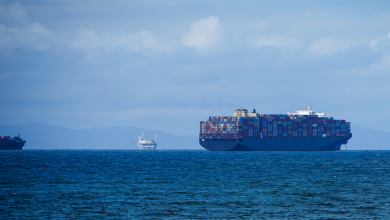
Despite claims to the contrary, the ship backlog is not getting smaller. Vessels are waiting on both sides of the Pacific.
Here’s how omicron variant could impact tanker, container and dry bulk shipping rates.
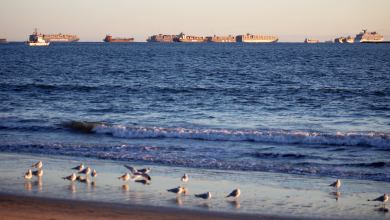
Record number of container ships waiting but they’re harder to see, as new plan spreads queue across Pacific.
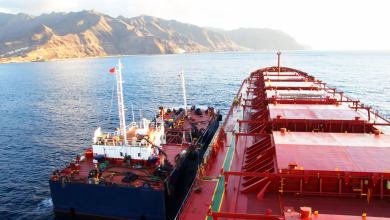
Price of low-sulfur fuel is rising faster than high-sulfur fuel. Ships with scrubbers stand to gain.
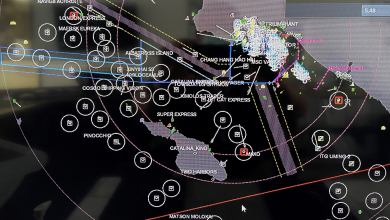
Ship arrival data confirms seasonal surge to Southern California has ebbed — even as port congestion has risen.
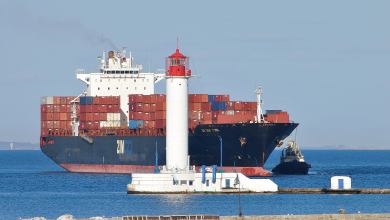
Zim’s profits are still going up — way up — despite more vessels getting snared in West Coast port gridlock.

Onboarding accounts should be a bigger thing than it is; airports used as container storage yards; airfreight is now an affordable option; and a few more quarterly earnings dissected.
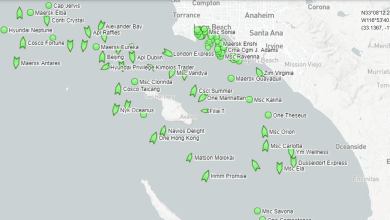
Los Angeles and Long Beach hold off on charging highly controversial fee on import containers.

Federal regulators will soon begin analyzing how transportation data sharing can move more containers.
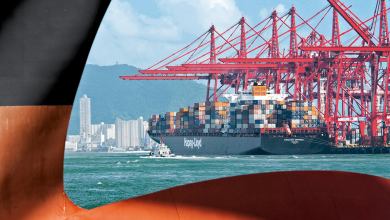
Rates expected to remain strong into 2022, fallout from new ship deliveries in 2023-2024 to be muted.

Just five days before emergency SoCal container fee is set to begin, offshore traffic jam reaches new heights.