Fall in container spot rates ‘much steeper,’ ‘less orderly’ than expected
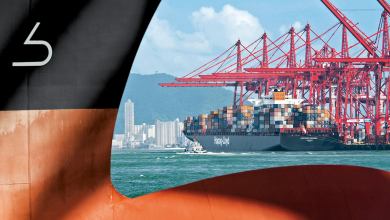
Container shipping rates — particularly from Asia to the U.S. — are still falling hard and show no sign of finding a floor.
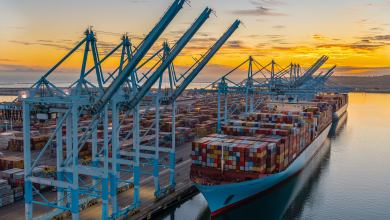
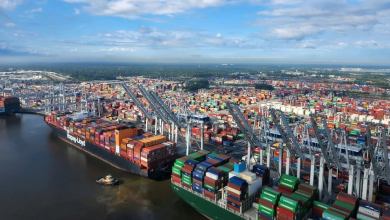
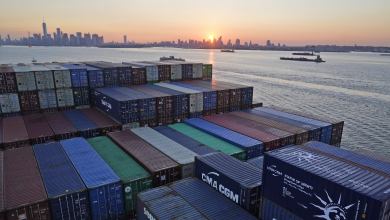
U.S. containerized imports are still near record highs, but not in Los Angeles, where they’ve fallen sharply.
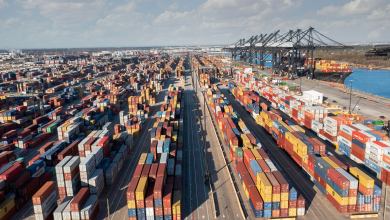
Spot container rates for U.S.-bound cargoes are falling fast, yet import numbers at U.S. ports remain near their peak.
Shipping volumes are weakening in and out of China. Is this a temporary pullback or a sign of more serious trouble ahead?
Container and dry bulk shares soared last year, leaving tanker stocks behind. This pattern has now reversed.
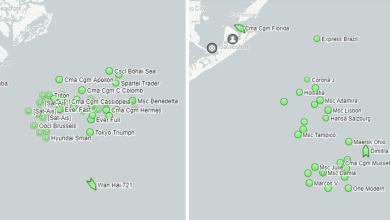
California’s container-ship traffic jam is almost gone, replaced by stubbornly high backlogs off the East and Gulf coasts.
The cost of marine fuels is down sharply from the wartime peak, except for ‘clean’ LNG, which is getting even more expensive.
Spot rates on most global shipping routes continue to fall. The trans-Atlantic market is the exception: It’s holding firm near its high.
U.S. imports accelerated in July, with inbound cargo from China reaching a year-to-date high, according to Descartes.
With East Coast ship queues high, port executive Gene Seroka says: “For cargo owners looking to rechart their course, come to Los Angeles.”
Trans-Pacific spot container shipping rates continue to head lower. Zim appears more at risk than some of its rivals.
Federal regulators are considering a congestion emergency order to require carriers to share cargo data with shippers, railroads and trucks.
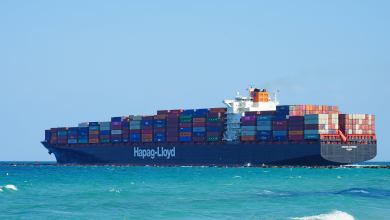
Hapag-Lloyd bookings point to a gradual unwind of the container shipping boom, not a crash.
Tankers stocks are doing great. Dry bulk and container stocks temporarily stopped the bleeding. “Maxim stocks” still underperform.
Port congestion and voyage cancellations by shipping lines are preventing a steeper slide in spot container freight rates.
Federal regulators are pressuring carriers at the Port of New York and New Jersey to compensate shippers and carriers for container storage.
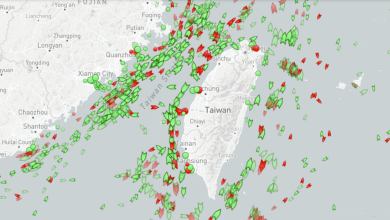
Chinese military exercises in the Taiwan Strait will delay shipments. Further escalation could have dramatic supply chain effects.
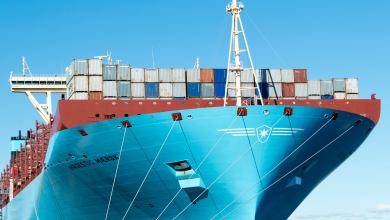
Container shipping giant Maersk sees continued strength in U.S. imports and ongoing supply chain disruptions globally.
The drop in ships waiting off Southern California is deceiving. The number of ships off all three coasts is back to all-time highs.
Shipping lines are still racking up extraordinary profits. Hapag-Lloyd forecasts continued strength in the second half.