SONAR Sightings: 2 SONAR features launch; China-US container rates drop further
FreightWaves unveiled two new features in SONAR at the F3 event, and container spot rates from China dropped further.
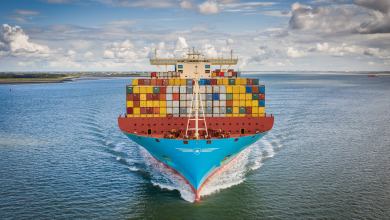
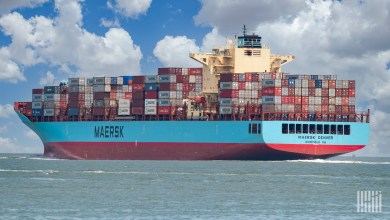
Maersk’s guidance implies fourth-quarter earnings will plunge 39% compared to the third-quarter peak.
The world’s seventh-largest ocean carrier expects profits to fall, yet its projections remain vastly higher than pre-COVID levels.
Truckload volumes in Elizabeth, New Jersey, are still rising after a boost in imports last week, but that will likely change in the days ahead. Detroit’s volume boom went bust, bringing reactions to their lowest on record since 2018.
Spot rate indexes look like they’re stabilizing — at least temporarily — after double-digit plunges in August and September.
Rolf Habben Jansen, CEO of ocean carrier Hapag-Lloyd, gives his take on the “bullwhip effect,” rates and global trade.
Shipping lines face a minefield of surging capacity and sinking demand, but there is a path to safety, claims one industry expert.
Southern California ports are being hit by double-digit import drops as the COVID-19 cargo boom winds down.
Dallas lost more market share by outbound volume this week as volumes continue to decline, and spot rates from China to the East and West coasts of the US dropped after a week of little to no change.
As container shipping stocks get battered by collapsing rates, tanker shares could be poised for a long bull run.
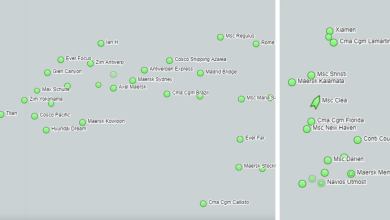
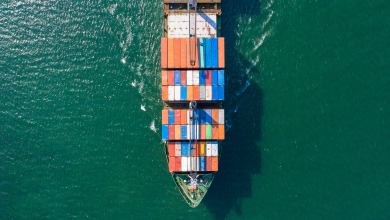
Declining imports have led to fewer container ships waiting off ports, injecting more capacity into the market, a negative for spot rates.
Supply chain planners will walk a precarious path in 2023, according to S&P Global transportation expert Paul Bingham.
New disclosures by Asian ocean carriers confirm that container shipping lines remain extraordinarily profitable.
Demand for Asian goods began dropping earlier this year. This is now having a delayed — and highly negative — effect on U.S. imports.
Measures of supply chain bottlenecks, cargo transit times, bookings and spot rates are all down, yet inflation remains historically high.
Supply-demand dynamics that supercharged pandemic-era rates are now “exactly the opposite,” says Maersk CEO Soren Skou.
Port officials and carriers prepare for hurricanes and other emergency situations year-round.
Inbound container volumes into the U.S. bode poorly for future trucking volumes. Trucking is the critical node for transporting goods, handling over 70% of freight in the U.S. at a given time.
East and Gulf coast ports handled more volume than ever before in August, pulling far ahead of West Coast rivals.
Container lines are pulling back fast from the ship-leasing market, signaling less confidence in future freight income.