




Greg Miller
Wednesday, July 24, 2019
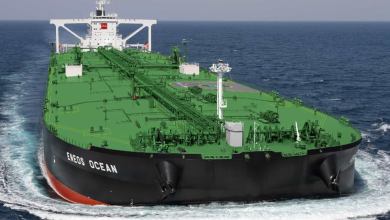
Tanker rates adrift as Iran tensions simmer
This week, VLCC rates are going sideways, Capesize rates have reversed, and container shipping has yet to gain traction.
This week, VLCC rates are going sideways, Capesize rates have reversed, and container shipping has yet to gain traction.
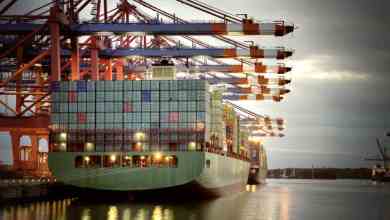
In this commentary by Ekim Saribardak, he writes about new track and trace technologies that can revolutionize the shipment of ocean freight.
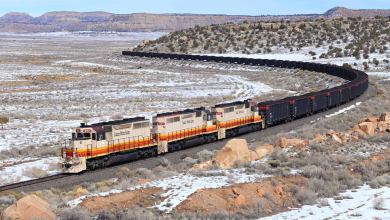
Low pricing will speed up Europe’s transition from coal to gas, according to Morgan Stanley.

The already dicey relationship between the U.S. and China could get even dicier after a new sanctions decision.

Rates for mid-sized bulkers including Kamsarmaxes and Ultramaxes are following Capesizes’ lead.

Geopolitical risks are escalating, increasing the risk for petroleum shipments transiting the Strait of Hormuz.

If U.S. crude output were to lose momentum, it would be felt by tanker owners much more so than before.

It’s hard to blame the skeptics, given what has happened in the past, but dry bulk freight rates are getting pretty impressive.
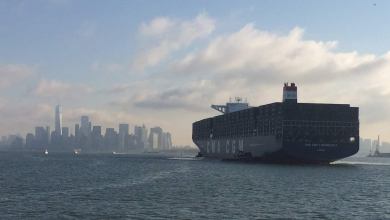
Sudden surge in marine fuel costs could spur shippers to consider switch to California over Panama Canal route.
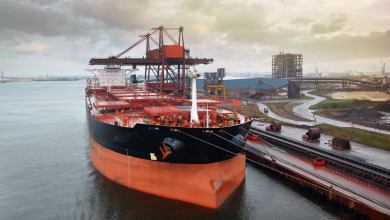
An exclusive interview with John Kartsonas, the developer of the BDRY exchange-traded fund that tracks bulker rates.
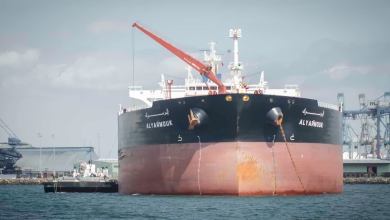
Peak oil demand “lurks like a monster in the shadows,” warns Stifel analyst Ben Nolan.
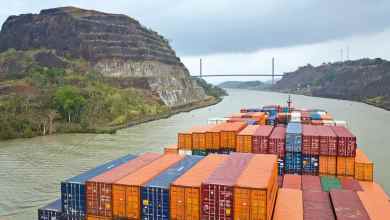
Ben Thrower recently visited the Panama Canal. He writes about the canal’s expansion and what that means to global trade and the maritime industry.
The Caribbean is container shipping’s all-important crossroads of the Americas.
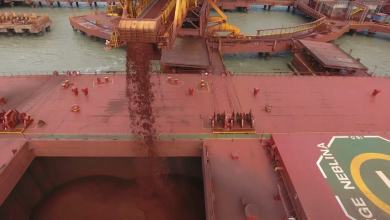
Capesize owners were afraid to ballast to Brazil when a key Vale mine was closed. Now there are too few Capesizes in the Atlantic Basin, pushing up rates.
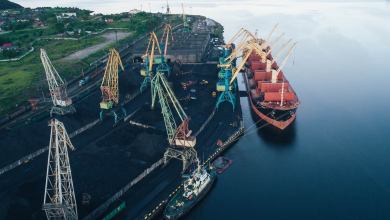
Dry bulk transport is about to get more expensive thanks to new marine fuel regulations.

Capital Logistics is the newest member of the Blockchain in Transport Alliance (BiTA). Read about the company, as well as BiTA’s efforts to develop blockchain standards for transportation and logistics.

Hope springs eternal for shipping stocks. Some analysts claim now is finally the time to jump back in.
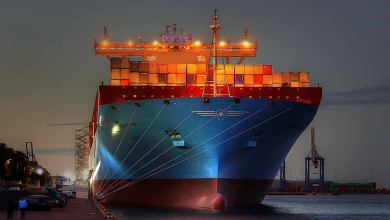
It has now been a half-decade since the emergence of large-scale container liner alliances. What’s their track record?

The U.S. fireworks supply comes primarily from China, and one company controls most of that trade. Read Market Expert Henry Byers’ fascinating article about fireworks!

Some believe the pace of regulatory and technological change is causing owners to pull back from newbuilding contracts.