




Stuart Chirls
Thursday, January 8, 2026
EXCLUSIVE: FMC Chief of Staff Hoang moves to private sector
Longtime FMC veteran Mary Thien Hoang is leaving the maritime regulator for the private sector.
Longtime FMC veteran Mary Thien Hoang is leaving the maritime regulator for the private sector.
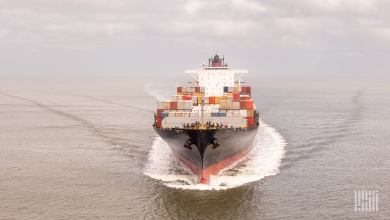
The Federal Maritime Commission wants to know whether foreign countries and their shipping companies are causing supply chain constraints around the world.
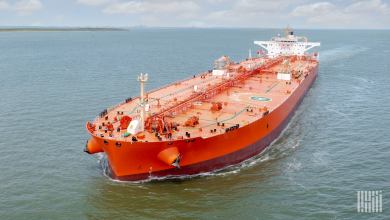
The latest U.S. sanctions on Russian oil are rumored to be expansive, encompassing two Russian oil companies and more than 100 tankers, as well as oil traders and Russian insurance firms. The sanctions may also hit Chinese banks that facilitate Russian oil trades.

A Greek-owned freighter capsized and sank after being hit by a bulk carrier in Senegal’s port of Dakar.
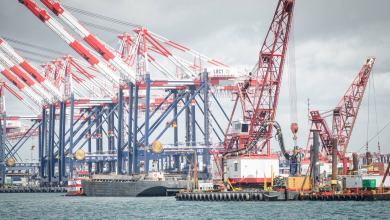
The end of Panama’s dry season is in sight, and the Panama Canal Authority plans to welcome more vessels in the coming weeks.
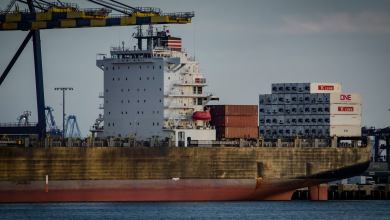
Ship recycling has fallen to its lowest level in 20 years, per a recent report by the Baltic and International Maritime Council.
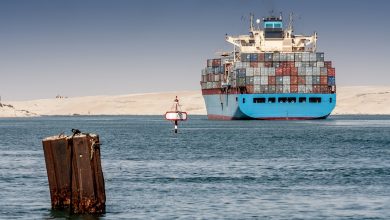
If China and Russia find the Houthi problem in the Red Sea as intractable as the U.S. and its allies have, it would all but halt what little maritime traffic remains in the region.
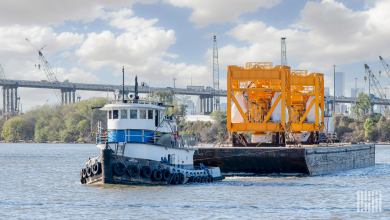
An unusually warm and dry winter might herald drought conditions in key areas of the Mississippi River Basin over the coming months.
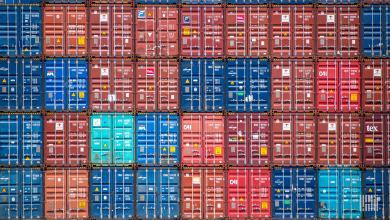
Dockworkers are fully prepared to swap pallet jacks for picket signs come October.
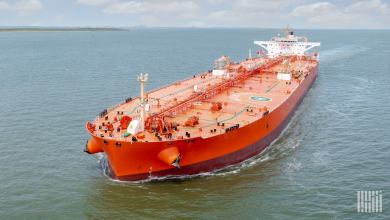
A recent string of Houthi attacks have reignited concerns about the Red Sea crisis, raising the floor for tanker rates.
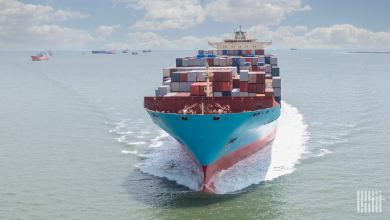
A rise in Chinese imports indicates seasonal trends are playing out as usual, very much unlike 2023’s anemic performance.
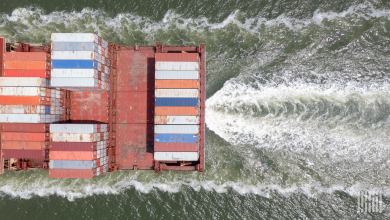
A recent round of U.S. and British strikes raise fresh questions about the impact of container shipping in the Red Sea.
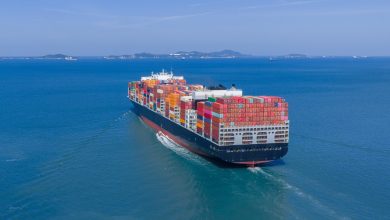
Houthi attacks and Red Sea diversions will not spur inflation or a new supply chain crisis, claims consultancy Drewry.

The Russia-Ukraine war led to enduring changes in shipping routes. War in the Middle East looks likely to do the same.
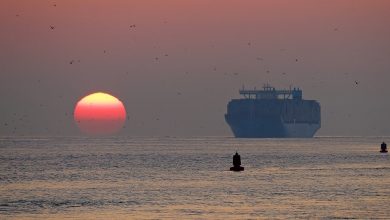
Spot rates remain very high, but appear to have plateaued. The question ahead: Will they fall back after Chinese New Year?
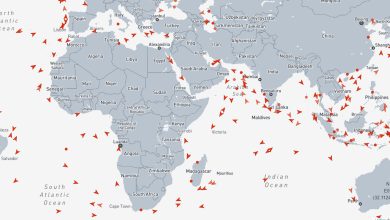
The initial effect of Houthi attacks was on containerized consumer goods. The attacks are now snarling seaborne fuel flows.

Amid the focus on wars in Europe and the Middle East, North Korea’s threat to key exporting and shipbuilding nations grows.
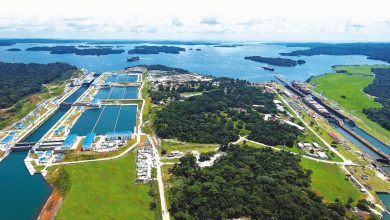
Monthly canal transits are now much lower than they were in 2015, the year before the Neopanamax locks went into operation.
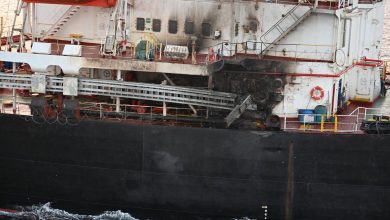
Container lines faced overcapacity and huge losses in 2024. Then the Houthis flipped the market in favor of container lines.
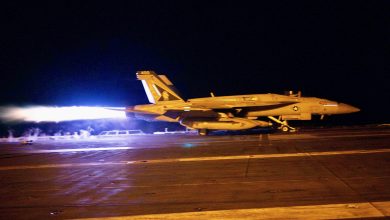
Container-ship diversions from the Red Sea will likely last for months. Are large-scale tanker diversions imminent?