




Greg Miller
Saturday, May 4, 2019
‘Mexican standoff’ persists in LNG spot shipping market
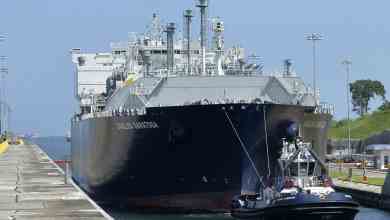
Executives at GasLog Ltd. believe the LNG shipping spot market is set to rebound. Others are not so sure.
Executives at GasLog Ltd. believe the LNG shipping spot market is set to rebound. Others are not so sure.

Government approval has been given for the construction of a $250 million (US$175 million) liquefied natural gas import terminal at Port Kembla, 44 miles to the south-south-west of Sydney, Australia. The country is facing a shortage of gas and record high prices, which is somewhat ironic because Australia is likely the world’s biggest exporter of gas.

According to Seaspan Corporation, the largest U.S.-listed container-ship lessor, liner companies are pulling vessels from service to install scrubbers, which is increasing demand for new charters.

Momentum is building to limit the speed of ocean-going vessels to curtail harmful emissions. The debate will focus on how this could impact charter rates, and whether it could have the unintended consequence of creating even more emissions-generating ship capacity.

NYSE-listed Scorpio Tankers has returned to profitability and its scrubber-installation program should position it to take advantage of the looming IMO 2020 rule.

So far this year, there has been heightened refinery downtime for maintenance and upgrades, but the tide is expected to turn in the second half, to the benefit of product-tanker rates.

Tanker companies like Euronav expect to see financial benefits from impending environmental regulations, which will change the type of fuel burned at sea and could eventually limit how fast ships can go.

At the same time Wall Street investors are shunning ship owners, European banks are pulling back on providing debt to ocean shipping. What are the short- and long-term implications for freight markets?

Dry bulk shipping faced multiple headwinds in the first quarter, but NYSE-listed Scorpio Bulkers benefited from its smaller ships and its diversification into the product-tanker sector.
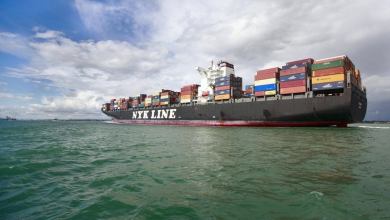
Japanese transport company, Nippon Yusen Kabushiki Kaisha (NYK Line) (JPX:9101) has today reported a loss of approximately US$400 million (Japanese Yen 44.5 billion) for the year ended March 31, 2019. Following the red ink bloodbath, the company has replaced the chairman, president and representative directors.

The final part of the FreightWaves series on the Panama Canal focuses on dry bulk transits. The two trends: US agribulk cargo to Asia is down, Colombian coal to the west coast of South America and Asia is up.

South Korean ocean box shipping company, Hyundai Merchant Marine, and Russian far East intermodal box transport specialist, FESCO, have announced a series of changes to their Russia-China-Korea shipping operations. Rail specialist FESCO has also announced extensive Russia-China rail services.

As GasLog Partners reported its quarterly earnings, its CEO commented on prospects for both spot and long-term charter markets. He optimistically believes current spot weakness will be short-lived, and that rates will be driven higher by the wave of new liquefaction projects coming onstream.
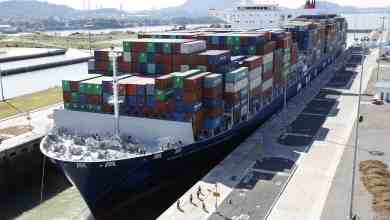
In the second-part of its series on the Panama Canal, FreightWaves interviews a canal authority executive on trends for container-ship transits and expectations for ship size growth in the years ahead.
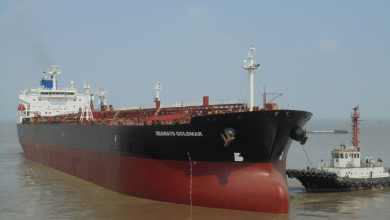
After languishing for years, tanker stocks are rising in 2019. Investors are seeking to get in early on the belief that the turnaround in rates is nigh. They’ve been wrong before — will their bets pay off this time?
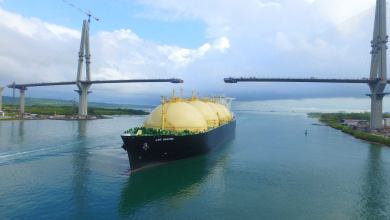
A top executive of the Panama Canal Authority outlines the prospects for LNG, LPG and crude/product tanker transits through the larger locks of the waterway.

Containerized freight rates are continuing to decline. And where gains are made, these are only marginal gains. International maritime consultant Drewry expects that ocean carriers “will struggle to recover rates” in the coming week.
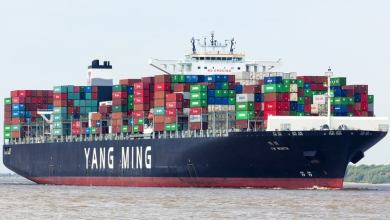
Keelung, Taiwan-headquartered ocean container carrier Yang Ming has announced that it signed charter agreements on April 10 for four box ships of 11,000 TEU with ship-owning specialist Shoei Kisen Kaisa of Imabari City, Japan.
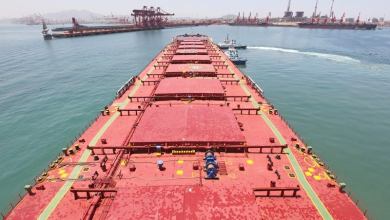
When freight rates are terrible, even a slight improvement seems like an uptick. But a terrible market is still a terrible market. Capesize rates have marginally, slightly, improved… but they’re still dreadful. And the rest of the dry bulk shipping markets are doing their best to impersonate a submarine… they’re all steadily sinking. Ship scrapping that removes some excess tonnage may help rate recovery.

Biofuels created by recycling used cooking oils are being tested by ocean-going ships in pilot trials around the world. Such biofuels may even be gaining acceptance by ocean-shippers, freight forwarders and ship operators.