




FreightWaves Staff
Tuesday, December 2, 2025
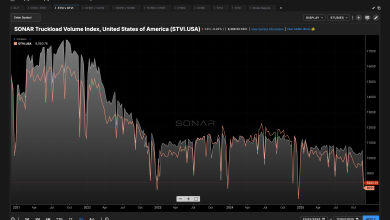
SONAR releases new tender data, Truckload Volume Index, and Truckload Rejection Index
SONAR goes much deeper in volume data with a new tender source.
SONAR goes much deeper in volume data with a new tender source.

This week in Borderlands: Entrepreneurs, small business see value of investing in Mexico; Automotive supplier plans third plant in Mexico; Cargo vessel makes first call at Port Houston; and $31M worth of meth found hidden in hot peppers shipment.

Lagging effects of the pandemic are still making evaluating the economy a challenge.

Seattle-based digital freight broker Convoy on Wednesday canceled all shipments from its marketplace and company representatives promised more details of a business transition were forthcoming. By Thursday, company employees were told in a meeting that Convoy was “closing down its core business operations.”

FreightWaves latest SONAR data addition suggests a wave of truckload capacity exits is coming this winter.

There has definitely been a sustainable shift in how freight is distributed domestically.

Companies are still trying to get their margins back to pre-pandemic levels with price increases on finished goods. This will continue to put freight demand at risk in the second half of the year.

FreightWaves’ “State of Freight” webinar for February had little good news for carriers hoping for higher rates sometime soon.

Are supply chains already manifesting significant changes in domestic transportation patterns?
Los dos mayores estados del país para el transporte de mercancías se mueven en direcciones opuestas

U.S. Xpress is going through a reorganization following a recent round of layoffs. The technology-driven Variant program will be merged into a larger Highway Services group, which will include the legacy over-the-road business and the USX freight brokerage.

Reefer demand remains strong heading into late January, breaking seasonal patterns that many have come to expect.

Shippers are requesting as much capacity as ever from maritime shippers in August after slowing their pace through most of the summer. What should we take away from this?
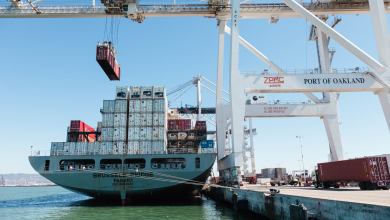
Shippers continue to struggle to find a reliable way to get freight into the U.S., which is causing major changes to surface transportation patterns.

This dip is likely to be temporary.
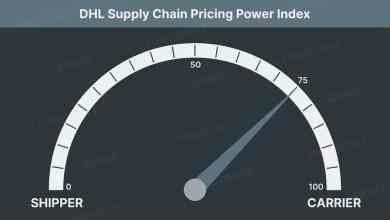
The market takes a breather this week with tenders down 7% week-over-week.

Tender rejections slip but still elevated.

Tender rejections return to all-time high.

Tender rejections and spot rates also fall slightly.

Spot rates steady well above $3.00 per mile.