




Lori Ann LaRocco
Wednesday, March 17, 2021
Viewpoint: Brace for another container surge
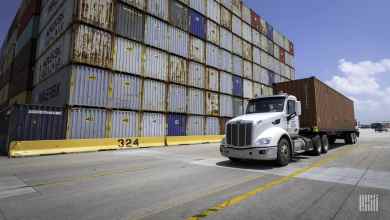
There is a direct correlation between stimulus checks and the surge in e-commerce spending, according to SEKO US.
There is a direct correlation between stimulus checks and the surge in e-commerce spending, according to SEKO US.
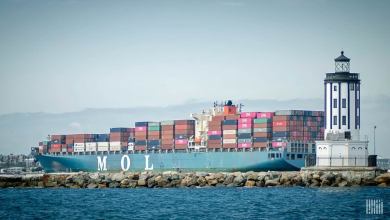
“Today we are in the seventh month of a historic import surge driven by unprecedented demand by American consumers,” says Gene Seroka.

Retailers are stuck between playing the waiting game and risking delays that wreck quarterly results or ponying up and taking to the skies. The goods will arrive quickly, but at what cost?
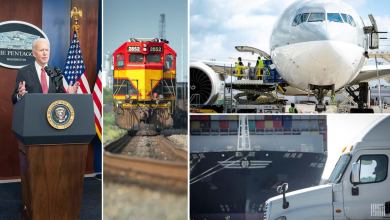
Carriers should begin planning now to influence policy change that could result from Biden’s supply chain executive order, industry observers say.

On this episode of Midday Market Update, Kevin Hill and Michael Vincent look at downstream effects from California’s port crisis.
“Ocean Insights has dominated the container-tracking space, and we look forward to providing the industry not only the best ocean capabilities but also the most comprehensive end-to-end visibility platform,” says project44 CEO Jett McCandless.
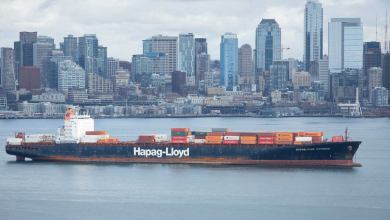
Northwest Seaport Alliance reports January exports dropped 13.4% year-over-year.
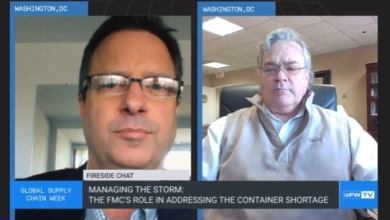
Federal Maritime Commissioner Carl Bentzel discusses the agency’s options in regulating rates and service amid the booming U.S. container supply chain.
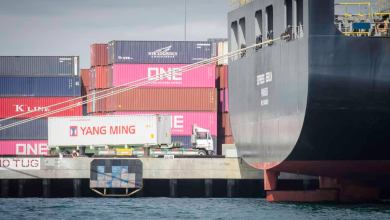
Amazon may get the headlines for promising fast deliveries, but if it can’t get the product from overseas, the efficiency of trucks and delivery vans won’t make a difference.
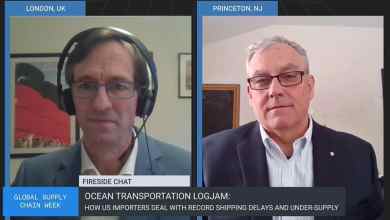
Philip Damas, managing director at Drewry Shipping Consultants, and Andy Gillespie, director of global logistics at Ansell Healthcare Products, chat about the current port congestion and how the situation can be corrected.
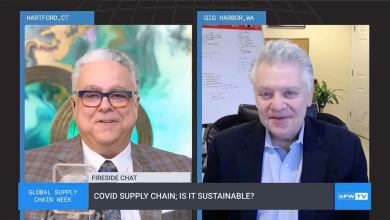
Shipping experts chat about the COVID-19 supply chain and how consumer e-commerce demand has impacted seasonality and congestion in freight.
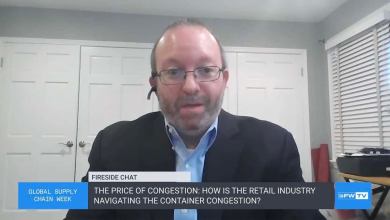
National Retail Federation’s Jon Gold and CNBC’s Lori Ann LaRocco discuss the impact of empty containers and port congestion and how retailers can protect themselves from future supply chain vulnerabilities.
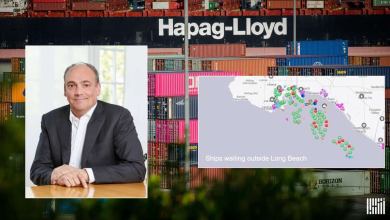
“We have really a perfect storm of demand that’s surging like there’s no tomorrow, everybody needing to get the boxes back, COVID-related restrictions,” says Hapag-Lloyd CEO Rolf Habben Jansen.

Using domestic reloads and street turns are among Blume Global’s strategies to reduce empty miles and emissions.
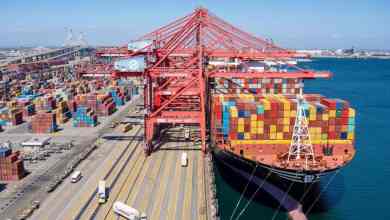
Thanks to COVID, there are no seasonal highs and lows for international shipping. There is so much demand for goods that the peak season never seems to end — and ports, railroads, truckers and warehouses are reaching the breaking point.

Thanks to the congestion in Los Angeles, container rates and volumes in Savannah are both hitting highs. When will volumes stabilize?
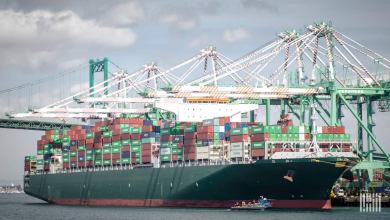
“Not only are we at the height of the Christmas season, but we’re at the height of the Y2K concern as well. Importers and major trading houses are trying to move their goods now to beat any chance of problems with the changeover to the new millennium.”
Anthony Smith and Zach Strickland lay out what it will take to loosen the stranglehold on America’s ports.
Andrew Cox and Seth Holm explore the impacts of container shipping issues through Peloton’s experience.
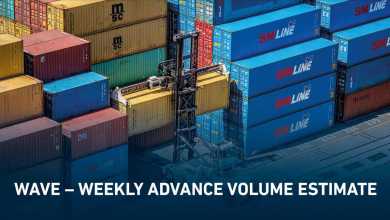
“Sharing this information is highly beneficial for the supply chain, especially as we cope with both seasonal and unanticipated peaks and valleys in cargo volume,” says Executive Director Mario Cordero.