




John Gallagher
Friday, July 16, 2021
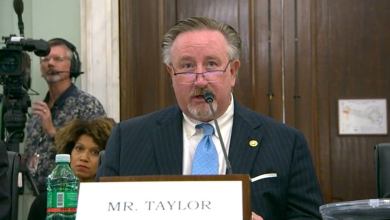
Shipper to Congress: Inflation ‘rampant’ through supply chain
Supply chain bottlenecks are raising red flags for inflation down the road.
Supply chain bottlenecks are raising red flags for inflation down the road.
The seven-day suspension of service, starting on Sunday, is aimed at helping ocean carriers, UP and other stakeholders to catch up and relieve the congestion at West Coast ports and busy inland terminals, especially Chicago.
With 39 ships at anchor, the Port of Vancouver is continuing to feel the strain as CP and CN resume service in a fire-afflicted region of British Columbia.
IRIS is GEODIS’ eye-in-the-sky ocean and air shipments visibility platform for booking and managing exports in real time.
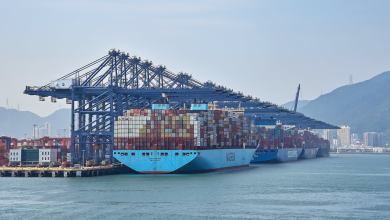
The biggest container shipping line in the world says container traffic at the massive Port of Yantian in China is moving much better after COVID restrictions were recently lifted. But exporters have a long way to go before ocean shipments go smoothly again.
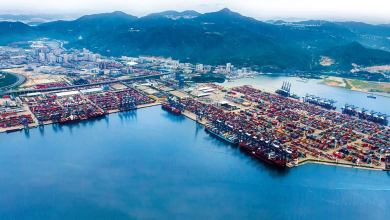
The Port of Yantian is operating at 100% on the vessel side again after a month of delays, but that doesn’t mean the container buildup will get resolved soon.
Trips that once took three to four weeks are often taking three to four months, and shipments will undoubtedly miss their season for some retailers.
DOT’s response to the Interstate 40 bridge outage needs more urgency, according to U.S. Sen. Marsha Blackburn.
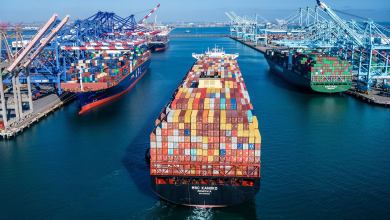
Shippers call on lawmakers to expand government oversight of contracts between ocean carriers and their customers.
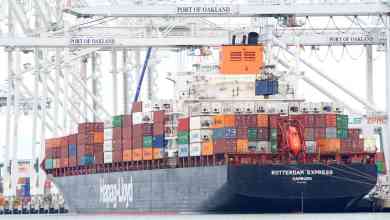
A “truly outstanding quarter” lifts net profit from $27 million in 2020 to $1.45 billion this year.
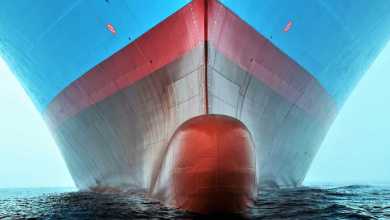
Importers are scrambling as demand sails past ocean transport supply. The numbers paint an ominous picture for cargo shippers.
On this episode of Point of Sale, Andrew Cox looks at the tidal wave of impacts following the Suez Canal blockage and what it could mean for already stressed U.S. ports.
Biden taps Daniel Maffei to head the FMC amid the ongoing port congestion crisis.
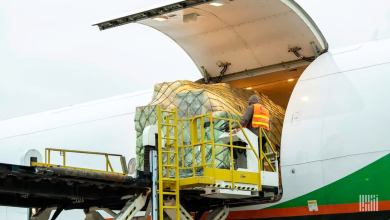
You think you can just book your cargo on a plane to avoid the ocean shipping congestion at the Suez Canal? Guess again. Freighters were flying full even before the Ever Given got stuck, so finding space will be very difficult.
The Panama Canal Authority’s administrator discusses why he’s not worried about a container ship blocking the canal.
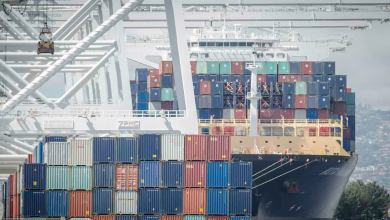
Add Nike (NYSE: NKE) to the growing list of retailers being severely hampered by port congestion and supply chain bottlenecks. The congestion at West Coast ports in particular strained Nike’s supply chain and negatively impacted revenue, which declined 11% yoy in the quarter ending Feb. 28.
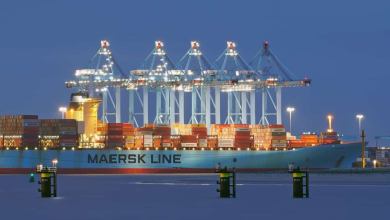
The world’s largest shipping line says it has changed its ways and is no longer playing the spot market, instead going steady with long-term partners.
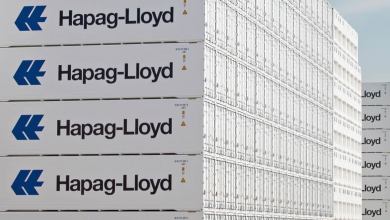
“2020 has been exceptional, with stellar performance in the industry,” says Hapag-Lloyd CFO Mark Frese.
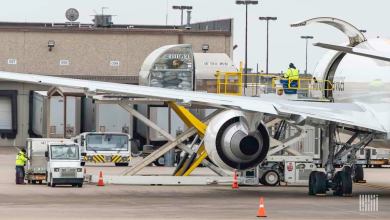
There’s no time for deliberation these days if you want to get high-value cargo shipped by air. It’s a strong seller’s market in the air cargo world. If you see it, book it and don’t worry about the price.

Fireworks could be stuck at sea by the time the Fourth of July rolls around. Blame massive port congestion and overloaded freight networks. The fireworks industry is asking the Biden administration to provide a fix, but what can it do?