




Canada border officers vote to strike, warn of supply chain disruption
The union representing thousands of Canada Border Services Agency personnel warns of “significant disruption to the flow of goods” if its members go on strike.
The union representing thousands of Canada Border Services Agency personnel warns of “significant disruption to the flow of goods” if its members go on strike.
With 39 ships at anchor, the Port of Vancouver is continuing to feel the strain as CP and CN resume service in a fire-afflicted region of British Columbia.
The reduction in train speeds between Kamloops and Boston Bar is designed to lessen the chances that sparks from a freight train could start a fire amid extreme heat and dry conditions.
A disruption to CN and CP rail service caused by a wildfire is putting the Port of Vancouver under pressure as Maersk and Hapag-Lloyd warn of delays and congestion.
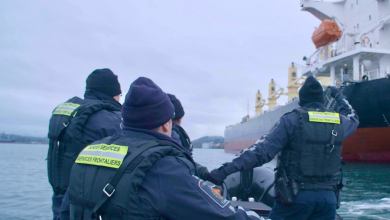
A potential strike by Canada Border Services Agency officers threatens to disrupt the country’s supply chains. The Port of Vancouver could feel the most pain.
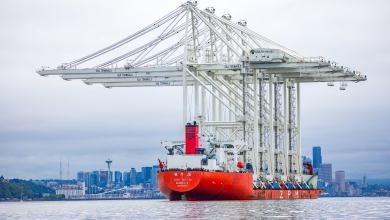
“We know larger ships carrying increased volumes are coming. We want to be out in front of that curve.”
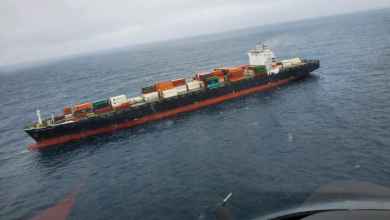
There have been no reported injuries, pollution or cargo losses aboard the vessel deployed on a ONE Atlantic service.

Canadian police and border officers seized nearly $8 million in opium found in two shipping containers at the Port of Vancouver and then swapped the drugs with a dummy shipment to let the dragnet continue.
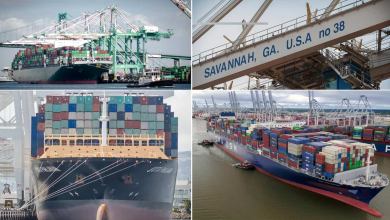
Anchorages are filling up with ships off multiple ports — not just California’s. Yet the reasons behind the traffic jams are not always the same.
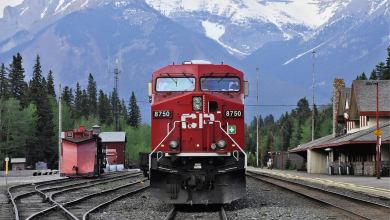
The railway has started reaching out to First Nations groups and the broader public to share its plan.
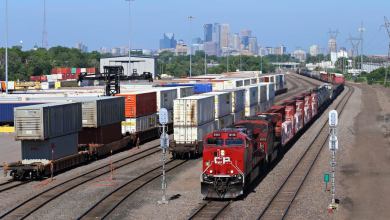
CP’s partnership with Maersk is starting early, with the first vessel coming into Vancouver in December versus March 2021.
The railroad has 1,000 acres it can develop with partnering customers.

Newly released case study says gateway’s work could become model for other Canadian ports
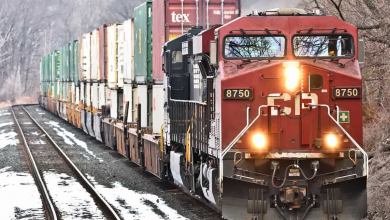
The deal comes amid wider efforts from both companies to expand their reach and increase supply chain efficiency.
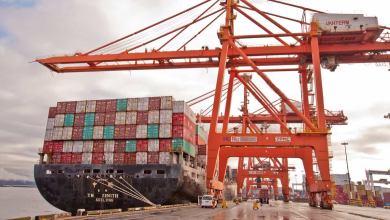
Global market uncertainty weighed down Canada’s largest container port in second half of 2019.
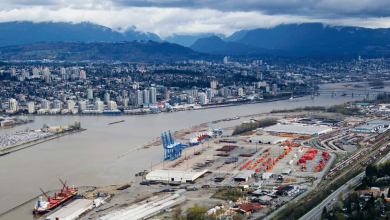
Purchase of Canadian port operations part of global strategy “to connect directly with customers to offer logistics solutions and remove inefficiencies in the supply chain to accelerate trade.”

U.S. freight forwarder expands north of the border, tapping into growing volumes of trans-Pacific trade from the Port of Vancouver.

Canada’s largest port saw increases in tonnage and containers during the first half of 2019, but individual cargo types painted a more complicated picture.
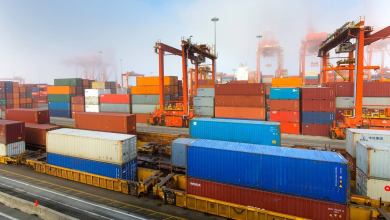
The announcements confirming Canada’s planned investments in rail infrastructure come as the country prepares for a federal election in October.
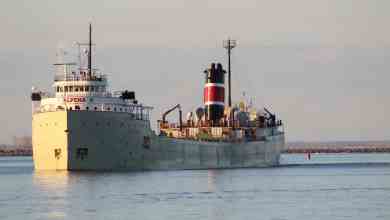
Changing harbor tax could help smaller ports compete with trucks