




Joanna Marsh
Thursday, August 15, 2019
North American rail volumes continue downward trend
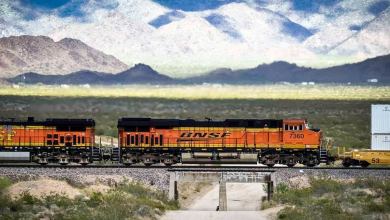
Year-to-date North American rail volumes fell 2.3 percent last week. But what about for the rest of the year?
Year-to-date North American rail volumes fell 2.3 percent last week. But what about for the rest of the year?

The states of Illinois, Nevada and Washington are seeking to push ahead with state laws requiring a train crew size of at least two individuals, despite a federal declaration saying that such laws have been voided.
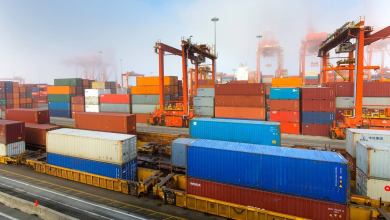
The announcements confirming Canada’s planned investments in rail infrastructure come as the country prepares for a federal election in October.

U.S. rail carloads no longer appear to be following the lead of broader economic indicators. Why? Look to concerns about rail service reliability and trade uncertainty as answers.
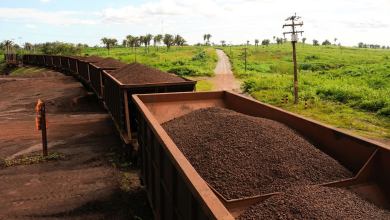
A short cost-benefit analysis of the mining, recycling and use of iron and steel.
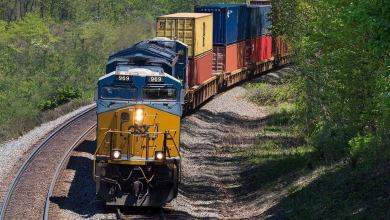
CSX and Canadian National’s partnership to create new intermodal service between Montreal and Toronto and the greater New York City area is a strategy to expand each other’s geographical reach and compete with the long-haul trucking market.
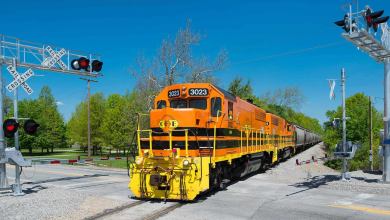
Genesee and Wyoming sees second-quarter operating income decline amid lower freight revenues from its Australian and European operations and flat year-over-year revenue from its North American operations.

U.S. Senator Ron Wyden’s (D-Oregon) new bill would require the railroads to supply information on crude volumes to emergency responders, and it would mandate that the railroads share crude-by-rail data annually.
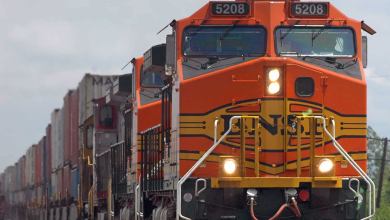
Second quarter revenue for BNSF rose 0.3 percent despite lower volumes for agricultural products, consumer products and industrial products.

“If a shipper can share some of its production forecast information to railroads, railroads can plan better to meet that capacity. Conversely, if railroads can open up and show where their empty railcars are to the shipper so that the shipper has a bit more confidence that the right number of railcars are going to show up, then the shipper can more confidently choose rail.”
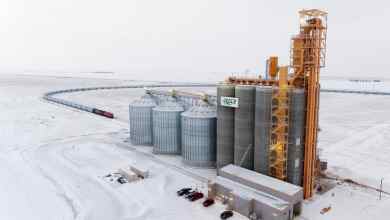
A renewed focus on building western gran network capacity helped Canadian Pacific reach all-time records for grain hauls in the 2018-2019 crop year.

“I think we’re at a critical juncture. Six months from now I think we’ll be able to take a closer pulse to where things are.”

Blackjewel’s bankruptcy reminds the broader industrial sector of the vulnerability of U.S. coal production overall, particularly so for western U.S. coal production.

North American rail volumes are still lower year-over-year, but U.S. carloads recovered somewhat last week.
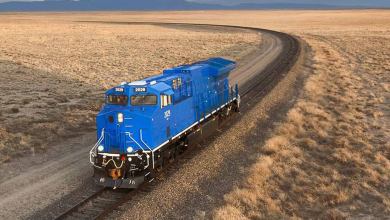
Train products manufacturer and supplier Wabtec lowered its sales guidance for 2019 but kept its projections for how much profit it expects to make from its operations.
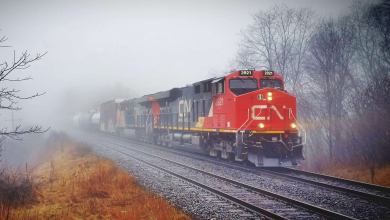
The record occurred despite extreme weather conditions that stymied rail shipments in February and March, as well as restrictions on Canadian canola exports to China, the railway said.
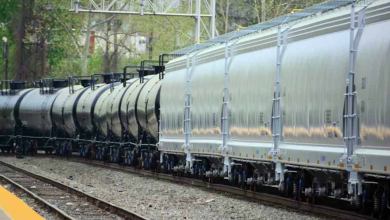
Greenbrier said the acquisition will enable the company to provide customers not only with direct sales or leasing options but also with after-market services. Customers seeking tank cars and covered hoppers will also benefit from Greenbrier’s expanded geographic footprint as a result of the acquisition.

Despite uncertain economic conditions, Trinity Industries (NYSE: TRN) expects rail volumes to improve in the second half of the year, based on “healthy” inquiry levels for its railcars, company leaders said during TRN’s second quarter earnings call on July 25.
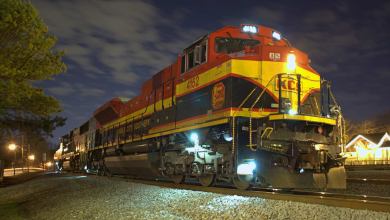
U.S. rail volumes fell yet again for the week ending July 20, according to data from the Association of American Railroads.
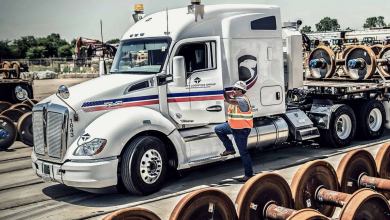
Total company revenue for Trinity Industries (NYSE: TRN) grew 16 percent to $736 million in the second quarter amid revenue gains for its rail product group.