Commentary: Positive Train Control costs Alaska Railroad… does it add value?
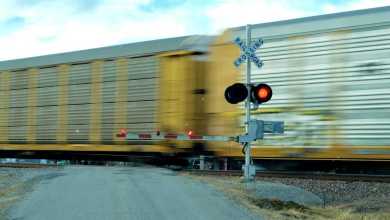
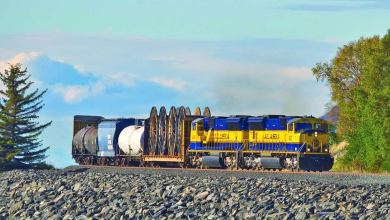
Darren Prokop explains why Positive Train Control – a positive safety measure for “Lower 48” railroads – doesn’t make sense for the Alaska Railroad.
U.S. carloads and intermodal units are down year to date from the same period in 2019.
Improving rail volumes and service are among the crucial issues to look out for as the railroads reveal their 2020 guidance in the coming days.
Jim Blaze profiles TTX, a company that is essential to the railroad industry.
The rail equipment manufacturer and lessor has tapped a Caterpillar executive and Trinity board member to head the company.
Technology will have a key role, but how will shippers and labor benefit from the railroads’ high-tech initiatives, panel asks.
The Denver-based short line operator promotes from within for the new roles.
The bill would prohibit the transport of crude oil via rail if the Reid vapor pressure of the crude oil exceeds 9.5 pounds per square inch.
Railway Age reports industry veteran will lead the RSI Equipment Leasing Committee.
Association of American Railroads reports volumes continue to run lower than a year ago.
Jim Blaze writes about the key messages he extrapolated about railroading in 2019.
Wabtec says the $29 million acquisition of RELCO will expand its freight services offerings.
Railcar manufacturer says deliveries fell off from a record sequential quarter.
During the third quarter of 2019, the number of train robberies in Mexico rose 13% compared with the previous quarter, according to data compiled by Mexico’s Railway Transport Regulatory Agency (ARTF). Agricultural grains, auto parts and consumer goods, such as beverages and toys, were the most stolen freight, the security report by ARTF found. Between […]
New hopper cars and a high-efficiency train model at some elevators help boost volumes.
U.S. rail volumes fell 5% in 2019 amid trade worries, a sluggish industrial economy and a significant drop in coal carloads.
Lower rail volumes, an active Surface Transportation Board and a strike were among the key events that the U.S. and Canadian freight rail industry experienced this year.
The U.S. operations of the Class I railroads continue to shed employees.
The volume drop has created ripple effects, including some lower railcar leasing rates.
The Federal Railroad Administration hopes to collect data on blocked rail crossings from the public and law enforcement.