




FreightWaves Staff
Tuesday, January 29, 2019
FreightWaves releases retail to wholesale fuel spread and additional violation data in SONAR
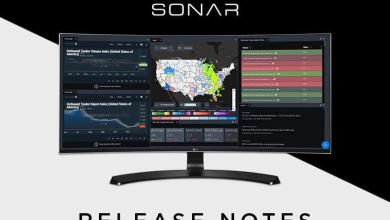
FreightWaves adds violations, fuel spread, and more rail data to SONAR platform
FreightWaves adds violations, fuel spread, and more rail data to SONAR platform

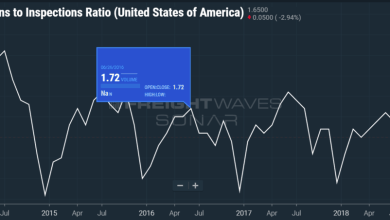
Driver detention has been causing headaches and lost wages for years, but the ELD mandate has shone a spotlight on the issue like never before. For the first time, carriers have the data to back up what they have always known.
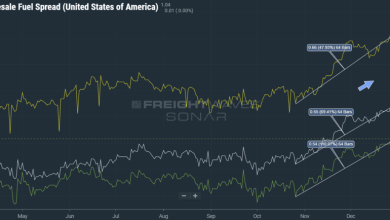
The DOE fuel price keeps sliding as wholesale or rack prices are increasing. This can have a negative impact to carrier margins in early 2019 after receiving the benefit of expanding fuel spreads in late 2018. SONAR’s newest index can help you monitor this.

Ben Murphy spent his life using data and technology to push trucking—the industry he loved—into the future.

Shipping trends of 2019 are requiring established freight carriers to evolve their operational models. UPS is developing more super-hubs to facilitate growth through handling more high margin shipments.
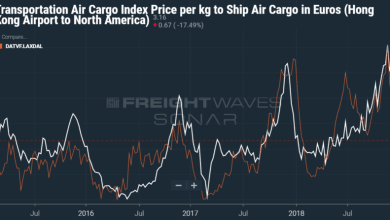
How can air cargo and dry van spot market rates be related? Could the movement of these two seemingly unrelated rates provide more evidence the market is slowing?

December was a month of growing uncertainty and severe declines in the U.S. financial markets. The only thing that seems to be growing is the level of ambiguity in everyone’s outlook.

It’s a long road from the wellhead down to the fuel going into a truck. Who makes money along the way?
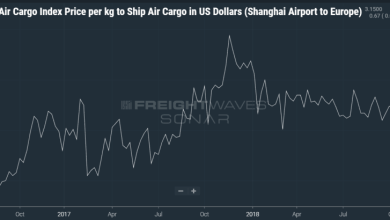
FreightWaves adds air cargo volume and pricing data to SONAR platform

MSU Supply Chain Management and FreightWaves will partner on curriculum, joint events, and transportation-related research projects.

Dry van rates hit air-pocket last month and lose altitude; but other indicators of freight economy still looking up.

Economic and freight indicators are mixed, with some suggesting a downturn is coming, but others pointing to continued growth.
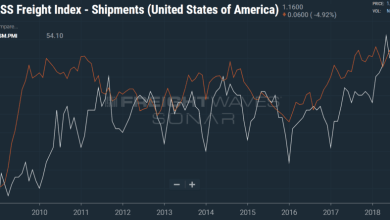
The falling Purchasing Managers Index tends to be correlated with the general freight market, the Cass Freight Shipment Index illustrates this. Is it time for carriers to pull back?

On today’s episode, Chad Prevost talks to Market Expert Nick Austin and Sonar Account Executive Brad Guinane about weather, volume, tender market share, and tender rejections.
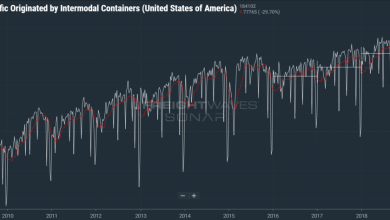
Record intermodal shipments on the rail for the second year in a row has deep implication for the trucking market into 2019. Trucking will benefit, at least partially, from Norfolk Southern’s latest decision.

Manufacturing leads first-party logistics growth because of the sector’s long-established supply chains. Retail is the next-largest contributor to first-party logistics growth through the impact of e-commerce.
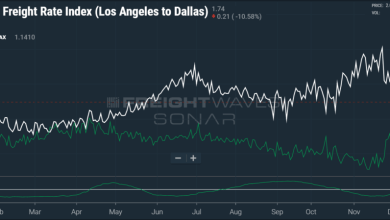
Carriers lower rates heading to the West Coast this year as inbound container volumes flood the ports.
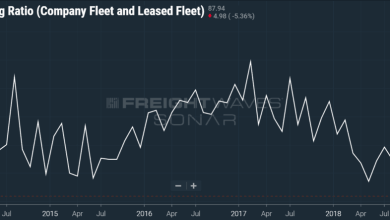
Carrier operating ratios continue to fall in October with a less volatile freight market.

The history books will say many things about 2018, but whatever else is recorded, it will go down as one of the strongest years for spot and contract pricing increases in the history of trucking in the U.S. Will that trend continue?
FreightWaves adds a real time news widget with twitter feeds and up to the minute financial and transportation new reporting.