




Greg Miller
Tuesday, January 30, 2024
Is the Red Sea effect on container shipping being overblown?
Houthi attacks and Red Sea diversions will not spur inflation or a new supply chain crisis, claims consultancy Drewry.
Houthi attacks and Red Sea diversions will not spur inflation or a new supply chain crisis, claims consultancy Drewry.
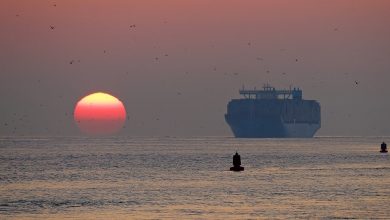
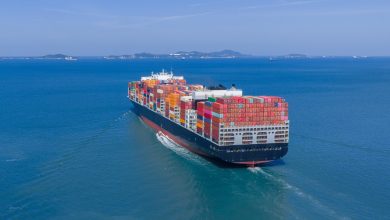
Spot rates remain very high, but appear to have plateaued. The question ahead: Will they fall back after Chinese New Year?
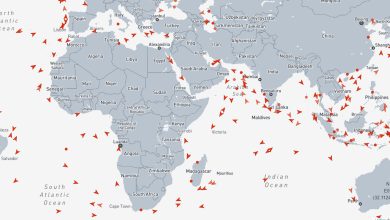
The initial effect of Houthi attacks was on containerized consumer goods. The attacks are now snarling seaborne fuel flows.
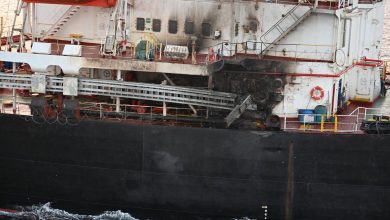
Container lines faced overcapacity and huge losses in 2024. Then the Houthis flipped the market in favor of container lines.
Container-ship diversions from the Red Sea will likely last for months. Are large-scale tanker diversions imminent?
Houthi attacks have been a plus for shipping rates. The latest to benefit: Owners of container vessels that can be rented to shipping lines.
Red Sea escalation would juice tanker rates, but rates would fall if the conflict spilled into the Strait of Hormuz.
The combination of Red Sea detours and Panama Canal restrictions is having a knock-on effect: higher Asia-West Coast rates.
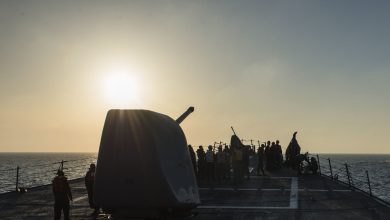
Imports to Europe and the U.S. East Coast face heavy delays as Operation Prosperity Guardian fails to bring shipping back to the Red Sea.
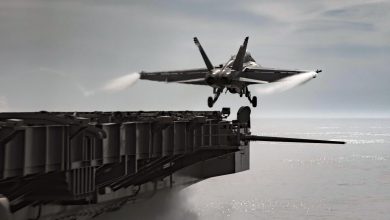
Shipping stocks are under pressure as some ocean carriers show faith in military protection from Red Sea attacks.
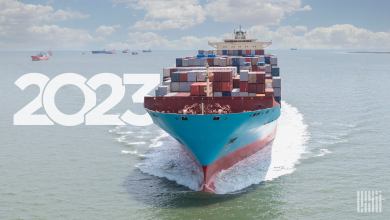
Ocean shipping kept the world’s cargo flowing amid two wars and disruptions at both the Panama and Suez canals.
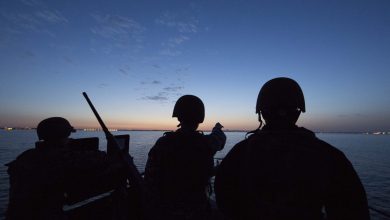
The key question for container shipping rates: How soon can Operation Prosperity Guardian woo traffic back to the Red Sea?
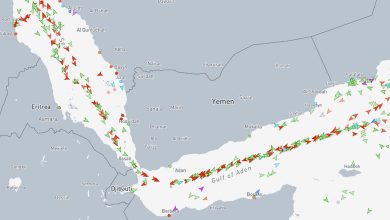
Container ships have forsaken the Red Sea route but many bulk commodity vessels continue to transit the danger zone.
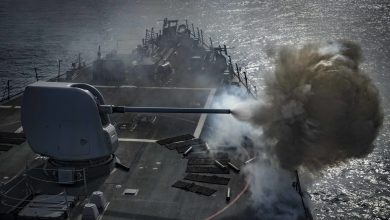
A growing number of ship operators are refusing to transit the Red Sea and taking a very long detour around Africa instead.
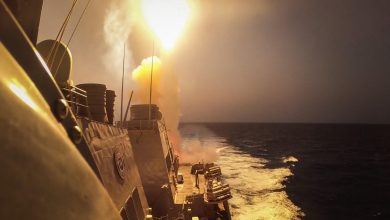
Container-ship route diversions — first to avoid the Panama Canal, now to avoid Red Sea chaos — could help offset rate pressure from newbuilding deliveries.
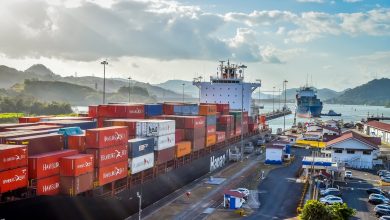
Next year, U.S. importers must navigate canal restrictions, diversions from the Red Sea, more canceled sailings and, possibly, a port strike.
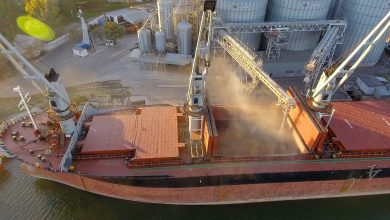
U.S. agribulk exports to Asia are taking the longer route via the Suez Canal due to Panama transit restrictions.

This episode of Tracks Through Time focuses on the crisis over the Suez Canal that put Egypt at odds with France, Britain and Israel. The story has surprising twists and unexpected secret motives. Find out how this shaped the future of shipping routes and globalization.
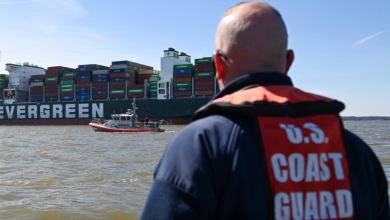
The pilot of the Ever Forward could face civil charges as a result of the vessel being stuck in Maryland’s Chesapeake Bay for more than a month.
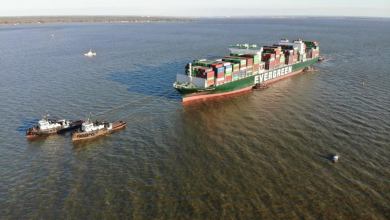
Five hundred containers were removed from the Ever Forward to lighten its load and help salvage crews refloat the vessel stuck in Chesapeake Bay.