How much carbon does the transportation industry emit annually?
Relying on fossil fuels to move people and goods creates a massive carbon footprint that the transportation industry is only starting to address.
North America is expected to mine only 5% of the world’s lithium by 2025, making Battery Resourcers’ recycling strategy important for domestic EV manufacturers.
Scientists and government leaders are pushing for a more sustainable supply chain. Consumers are paying attention.
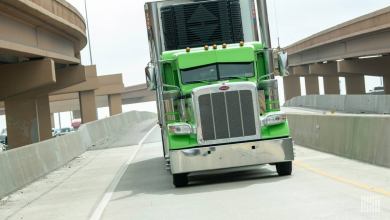
Daniel Sperling, founding director of the Institute of Transportation Studies at the University of California, Davis, shared his thoughts on the path to reducing emissions in the road freight sector.
C.H. Robinson on Thursday debuted its Emissions IQ self-serve tool for tracking carbon emissions from transportation.
Electric-assisted cargo bikes are being implemented as cities face challenges with congestion, air pollution, greenhouse gas emissions and parking.
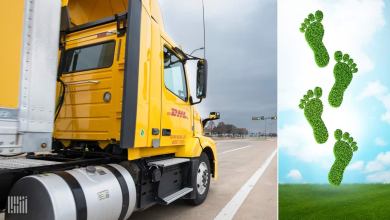
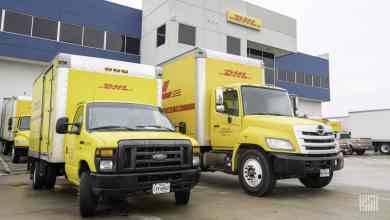
Having proved it could achieve 100% offsetting of CO2 emissions from Expedited Max in 2020, DHL eCommerce Solutions is officially declaring its service with the highest carbon footprint as carbon-neutral moving forward.
Wabtec’s chief technology officer chats with FreightWaves about ways technology can help the freight rail industry decarbonize.
The air cargo industry quickly pulled together to deliver critical COVID vaccines and PPE last year. The same type of teamwork can be applied to other social needs, such as the environment and diversity, air cargo leaders say.
Freight Club’s carbon offset initiative, which launched on Jan. 1, uses tree power to counteract emissions at no expense to its members.
DPDHL is making large commitments related to sustainable aviation, electric last-mile delivery vehicles and social impact projects in its recently released sustainability road map.
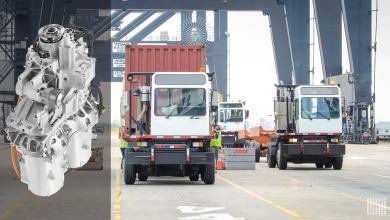
In the midst of vehicle electrification, Terminal Investment Corp. is enlisting the help of Volvo Penta and Cummins to create its first terminal tractor with an electric powertrain.
Increased use of micro-fulfillment centers and more efficient vehicles and routing can reduce carbon emissions by 25% in urban environments, according to Accenture.
Schneider’s corporate sustainability goals include plans to reduce per-mile carbon emissions 60% by 2035 and focus on fleet electrification.
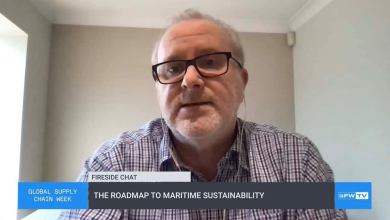
The Sustainable Shipping Initiative’s road map to sustainability includes financial, social and environmental sustainability factors.
On this episode of stackd, hostAdam Robinsondetails how one freight company is using shared truckload technology to map out the future for sustainable freight.
Susy Schöneberg, the founder and head of Flexport.org, discussed monetary and time-saving benefits of sustainable operations as well as customer loyalty.
Certified B Corporation Flock Freight raises the bar with a commitment to offset carbon emissions from FlockDirect shipments for customers.
A former Jet.com co-founder is rethinking the way e-commerce orders are delivered — specifically, when orders are delivered and in what vessel they arrive at their destination. Nate Faust believes after 25 years of e-commerce, it’s time for a new way of imagining delivery.
EcoCart offers e-commerce consumers a chance to purchase carbon offsets at checkout to lessen the environmental impact of the order.