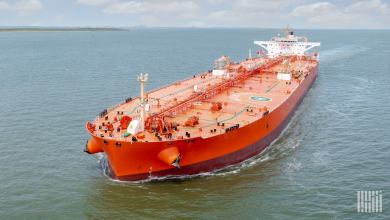
War risk exclusions by insurers heighten stakes in Red Sea attacks
A recent string of Houthi attacks have reignited concerns about the Red Sea crisis, raising the floor for tanker rates.

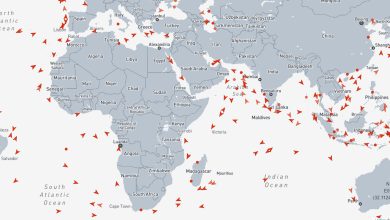
The Russia-Ukraine war led to enduring changes in shipping routes. War in the Middle East looks likely to do the same.
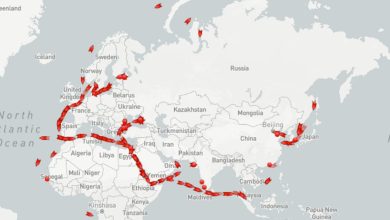
The initial effect of Houthi attacks was on containerized consumer goods. The attacks are now snarling seaborne fuel flows.
Container-ship diversions from the Red Sea will likely last for months. Are large-scale tanker diversions imminent?
Red Sea escalation would juice tanker rates, but rates would fall if the conflict spilled into the Strait of Hormuz.
Ocean shipping kept the world’s cargo flowing amid two wars and disruptions at both the Panama and Suez canals.
As war rages in Europe and the Middle East, a new flashpoint in South America could pose more complications for shipping.
U.S. crude exports have never been higher. Overseas buyers are incentivizing American producers to pump more “black gold.”
U.S. diesel exports to South America’s west coast are heavily exposed to Panama Canal delays. Tanker rates have skyrocketed.
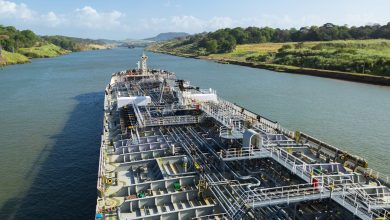
As the Panama Canal scales back on reservation slots, more ships without reservations wait longer to get through.
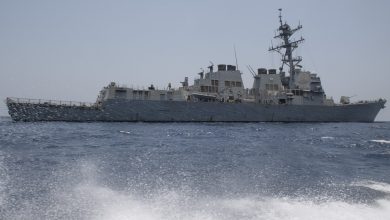
There has been a surge of attacks and threats targeting Israel-linked ships, including one incident where the U.S. Navy came to the rescue.
Panama Canal restrictions force more ships to transit the Bab el-Mandeb Strait off Yemen, where they face a hijacking risk.
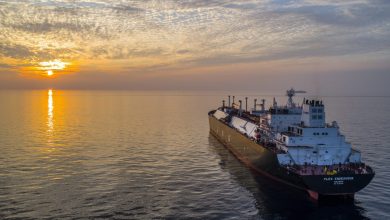
A leading exec in liquefied gas shipping gives his take on war in the Middle East, market fundamentals and shipping stocks.
The volume of Russian crude exports is growing and the price is rising, spurring the U.S. and its partners to begin sanctions enforcement.
Geopolitics has always been a key driver of global shipping markets. How could the war in Israel affect rates?
Tanker giant Frontline is poised to dramatically expand its fleet, while Euronav is on a path to privatization.
Diesel is an essential fuel for the global economy. The world’s second-largest seaborne supplier, Russia, just halted exports.
This was supposed to be a banner year for crude tankers, but output cuts and the Russian price cap are keeping rates under pressure.
Have shipping stocks been a good bet? Here’s a look at their performance year to date and versus pre-COVID.
Average CEO compensation rose as ocean shipping company earnings increased, fueled in many cases by share-based compensation.