




Greg Miller
Tuesday, August 15, 2023
Sanctions on Russian crude and diesel exports are failing
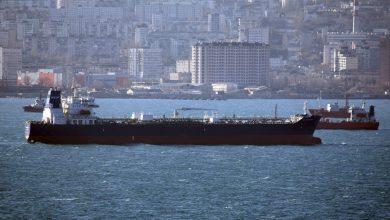
Price caps have been breached, discounts on Russian exports are dwindling, and more money is flowing to Russian coffers.
Price caps have been breached, discounts on Russian exports are dwindling, and more money is flowing to Russian coffers.

Spreads between high- and low-sulfur fuels are down to pandemic levels and LNG has become much more economical.
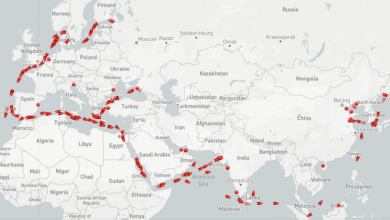
Tanker shipping sanctions compliance is getting a lot more complicated as the price of Russian crude oil rises.
The agreement should keep tanker and bulker orders in check, while increasing the risk of a future carbon tax on container shippers.
Declining demand for Chinese exports and reduced stimulus options threaten bulk commodity import prospects.

The Wagner mutiny is drawing attention to what happens after the war in Ukraine ends. When it does, shipping will see major changes.

The International Energy Agency predicts Asia will buy growing volumes of U.S. crude through 2028. That’s good news for supertanker demand.
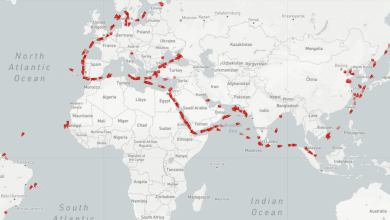
Mainstream European tanker owners that are willing to load Russian oil are far outperforming the broader market.
Five years after bringing dry bulk freight futures to the masses, Breakwave makes a splash in tanker investing.
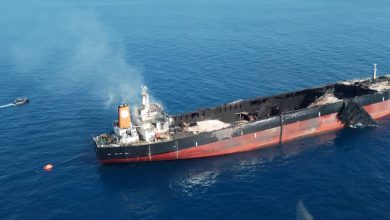
Older ships are being kept in service longer in pursuit of profits, heightening the risk of accidents and spills.

Despite a slow Memorial Day start, summer demand is expected to hike tanker rates in the months ahead.
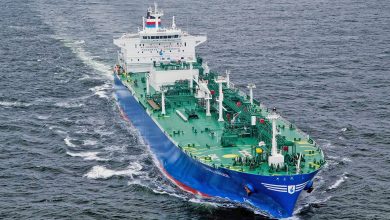
Large liquefied petroleum gas tankers are riding high on rising U.S. exports and higher Chinese import demand.

Is the sharp decline in shipping stocks a canary in the coal mine or an opportunity for investors to buy the dip?
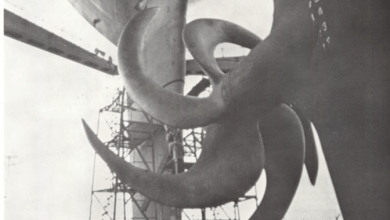
In 1975, two identical ore/bulk/oil (O/B/O) ships underwent efficiency experiments. During one of these experiments, a new propeller concept broke midjourney, but the ship continued its duty with no changes in performance and the crew had no idea until it reached its destination.
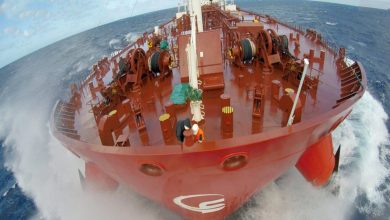
The price of crude oil is now lower than it was when OPEC announced its latest cuts, fueling more concern on tanker demand.
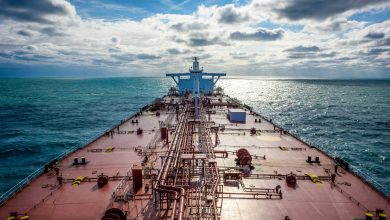
Tanker investors have been disappointed before. Is the current stock pullback a bump in the road or something more?

Mainstream tankers have moved into the Russian crude export trade. The price cap might push them back out again.
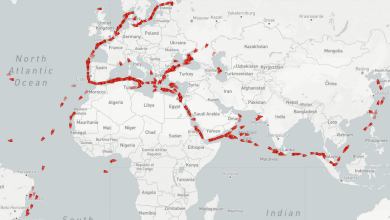
More Western tankers are jumping into the Russian trade — legally, under the price cap — to pocket big freight premiums.

Worsening China-U.S. relations underscore how pivotal geopolitics has become to global shipping and trade.

Container shipping just experienced a record boom. Some believe crude and product tankers are poised to follow suit.