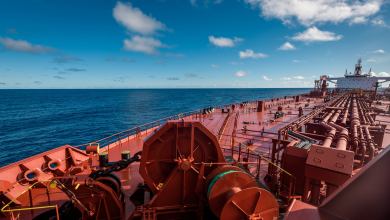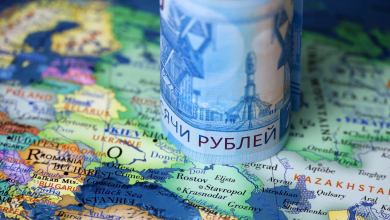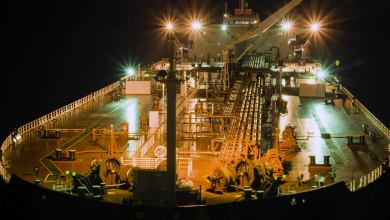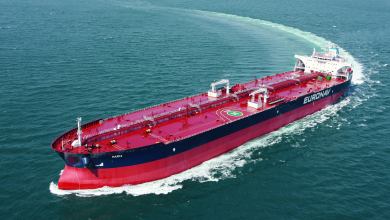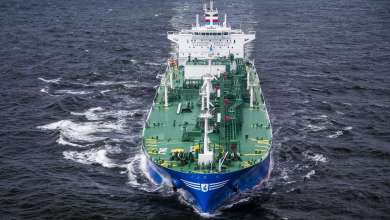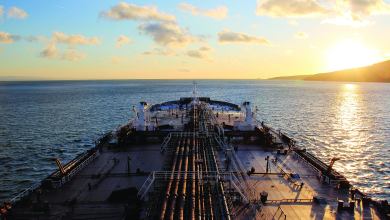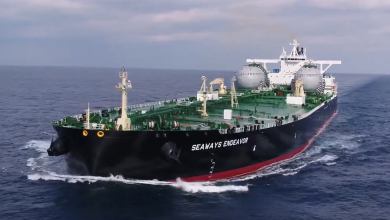
How push to decarbonize shipping slowed tanker building to a trickle
Shipowners say they won’t order expensive new dual-fuel tankers without charters. They’re not getting charters, so they’re not ordering.
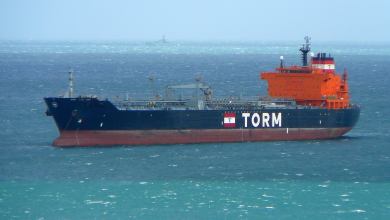
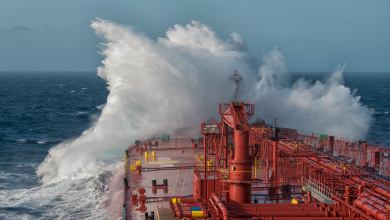
Tanker capacity for diesel is already tight amid war fallout. With very few ships on order, future transport capacity could fall short.
With virtually no new ships on order and demand strengthening, the tanker business seems poised for a bull run.
Larger crude tankers are moving more U.S. exports on shorter voyages to Europe as long-haul volumes to China stagnate.
After a year of sanctions and “self sanctions,” shipping cargoes caught in the crossfire continue to find their way to buyers.
Sanctions have split the world’s tanker fleet in two. On one side, those that follow Western rules; on the other, those that don’t.
The tanker industry has a storied history of corporate showdowns. The latest, a three-way tussle involving Euronav, looks far from over.
Russian crude restrictions are having the predicted effect on tanker trades, soaking up more vessel capacity as sailing distance lengthens.
Are falling commodity shipping spot rates the result of normal seasonality or a symptom of global economic malaise?
Sanctions on Russian crude exports have yet to boost tanker rates. Some question whether sanctions on Russian diesel will either.
The predicted boost to tanker rates from Russian crude disruptions has yet to materialize. Instead, rates have declined.
Just as the pandemic wound down, another market-altering event for shipping — the Ukraine-Russia war — ramped up.
Backers of a shipping regulation that begins Jan. 1 believe it will reduce carbon emissions. Critics warn it could backfire and increase them.
Faster easing of China’s COVID restrictions could provide eventual support for container and dry bulk markets and a more immediate boost for tankers.
Declining ship fuel prices equate to savings for containerized cargo shippers and lower costs for tanker and bulker owners.
Even if no oil moves under price caps, Russian exports could face deep discounts and continue to flow via “shadow tankers.”
Hopes that China will relax its zero-COVID policy are fading, raising concerns about shipping volume fallout.
Global energy trades face even more tumult ahead. “This could get crazy,” says Scorpio Tankers’ Robert Bugbee.
Some VLGCs carrying propane and VLCCs carrying crude have joined LNG carriers in shipping’s six-figures-per-day club.
Europe must replace all seaborne crude imports from Russia within the next few weeks. Crude tanker owners stand to gain.