





Todd Maiden
Tuesday, November 1, 2022
Transportation capacity hit high-water mark in October, survey says
Transportation capacity grew during October at the fastest pace captured in the history of a 6-year-old data set.
Transportation capacity grew during October at the fastest pace captured in the history of a 6-year-old data set.
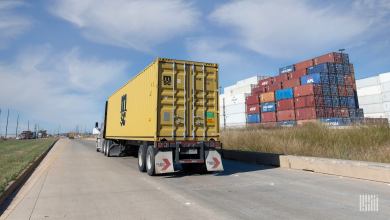
Supply chain data released Tuesday showed further loosening in transportation capacity while warehousing metrics tightened further.

Transportation data showed further loosening during July, according to a supply chain survey released Tuesday.

A supply chain survey released Tuesday showed market fundamentals continued to cool during June.

Capacity increased again in May, according to the Logistics Managers’ Index. However, the transportation market stabilized in the back half of the month.

Transportation capacity grew for the first time since May 2020, according to a monthly supply chain survey.
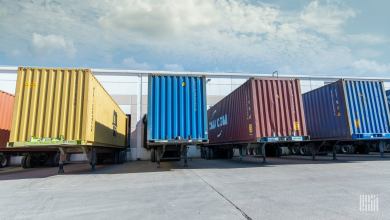
Growing e-commerce demand is likely to require higher inventories for timely fulfillment. That means a congested supply chain could become the new norm.
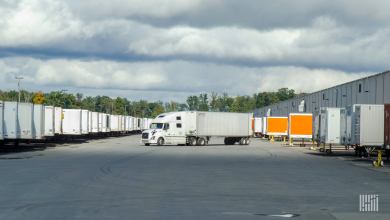
Bottlenecks and a lack of transportation capacity led many retailers to order extra merchandise in the fall. Inventories are now piling up at points along the supply chain for some companies because they still can’t find the transportation to move the goods, a supply chain survey finds.

China’s biggest holiday used to have a dramatic impact on U.S. transportation and the flow of goods. Now it seems more of an afterthought.
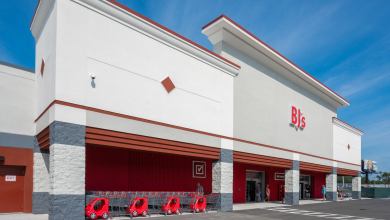
BJ’s Wholesale Club is acquiring four distribution centers and the related private truck fleets from Burris Logistics as it looks to secure its refrigerated supply chain.
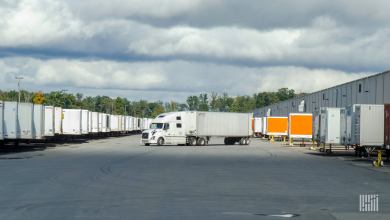
December supply chain numbers again show “significant expansion.” The Logistics Managers’ Index report questions whether retailers ordered too much for the holidays.

Freight costs reach a record, according to November data from Cass Information Systems.
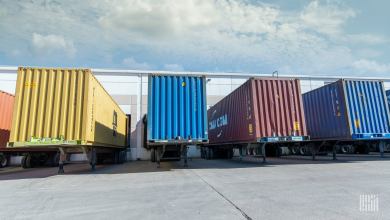
Growth throughout the supply chain accelerated in November with costs reaching all-time highs, according to the Logistics Managers’ Index.

An October supply chain survey shows transportation capacity falling at a faster pace while freight rates keep stepping higher.
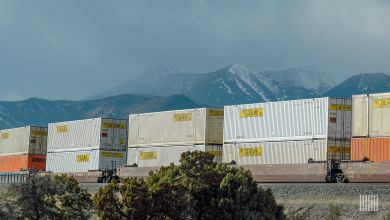
Domestic intermodal container volume growth over the past two months may not signal a definitive end to the rail yard blues, but it is a positive sign for supply chain managers.
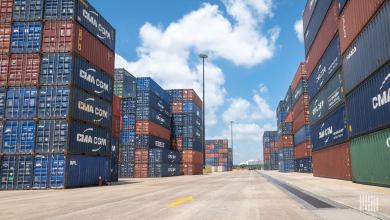
Transportation capacity continues to contract at a record pace with rates climbing to historical levels, according to the September Logistics Managers’ Index.

August data from Cass shows freight expenditures extend their torrid pace. Freight demand remains high but a lack of capacity is constraining shipment growth.
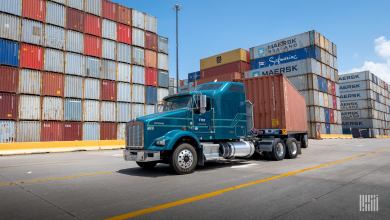
The supply chain continues to be stretched as the peak shipping season bears down. Capacity declines further while rates soar, according to an August survey.

Freight expenditures surged at the fastest rate on record during June, according to data provided by Cass Information Systems.

Growth rates throughout the supply chain cooled in May from recent record highs. However, the latest reading on transportation capacity stepped lower again.