Ending the confusion over per diem
In the last few weeks, there has been a lot of confusion in the driver community regarding the per diem, which has been eliminated for company drivers under the new Republican tax plan.

The Federal Motor Carrier Safety Administration (FMCSA) is taking a survey of truck drivers’ commutes to and from work.
Owner-operators have unique insurance needs, and it matters whether you have your own authority or are leased to a carrier. Either way, it’s important to understand what coverage you need and find policies that fit your budget.
With all the cheering from business over passage of the Republican tax plan, the next step in the tax reform journey has now begun: the real-world impact. And it could fundamentally change the way drivers are classified.
When the U.S. Department of Transportation announced in August that it was abandoning a proposed rulemaking for sleep apnea, many in the industry were not pleased. While there is no mandate, sleep apnea remains a very treatable problem for drivers.
It is estimated that truck driver vacancies have reached nearly 50,000 this year and if the trend continues, it could explode to six figures in the next decade. Could immigrants fill those gaps?
Nearly 17 years in the making since the Federal Motor Carrier Safety Administration first attempted to require electronic logging devices (ELDs) on commercial vehicles, the day has finally arrived for most of the nation’s 3 million plus driver workforce to begin using the devices.
The ELD mandate has finally arrived, but lets stop pretending this is a safety issue. Its not. The ELD mandate is about money. If we wanted to talk safety, our attention should focus on the real-evil: Hours of Service rules.
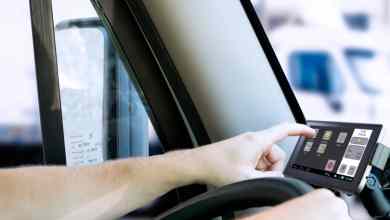
With truck drivers across the country being required to have electronic logging devices in their vehicles as of Dec. 18, some have complained about the move to electronic recording of hours when paper logs work just fine. For BigRoad CEO Tony Lourakis, the rule presented an opportunity.
To get a more detailed look at the impact ELDs are having on the industry, FreightWaves talked with drivers and a fleet that has been running the devices, and each has reported different experiences, but in the end, the concern of all of them is that the devices simply work.
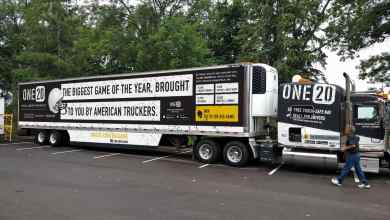
For millions of football fans, a trip to the Super Bowl is the ultimate bucket list item. For blue collar workers, though, attending the game is often out of reach with ticket prices reaching $5,000 and above on the secondary ticket market. For two lucky truck drivers that will change.
Truck drivers are concerned with pay, but it’s not the most important topic on their mind when providing feedback to their employers. WorkHound compiled a list of topics drivers talked about the most, and pay only came in fourth. What was number one?
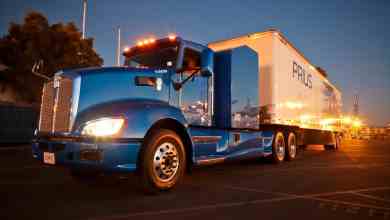
Toyota announced it is building a megawatt Tri-Gen hydrogen plant in California. The plant will produce hydrogen using renewable sources and will provide fuel for its Project Portal Class 8 hydrogen truck.
Following on the heels of a 90-day waiver from the ELD rule for agriculture haulers, and several other exemptions granted by FMCSA in recent months, the Owner-Operator Independent Drivers Association (OOIDA) has submitted a new exemption request to the agency.
Last week, FreightWaves published a commentary suggesting that solving the driver shortage may be as easy as raising pay – a supply and demand issue. We got many comments on that, including from Stifel Equity Research’s John Larkin, who said economics is not the only issue at play.
An FMCSA pilot program to study the impacts of allowing drivers more flexibility in determined when they rest is being welcomed by many in the industry.
Even with rates rising – both contract and spot – and capacity tightening, attracting drivers still remain a primary concern for fleets. Driver pay is increasing, but outside influences are still hurting the recruitment efforts.
In the tussle to improve conditions of the freight marketplace for both the carrier and shipper community, a lot has been left to be desired for the truck driver fraternity. A community-driven application named Road Hunter is now trying to take center stage – helping truckers on the road with essential information on truck stops, fuel stations, repair shops, and even weather updates.
The driver shortage has surged to the most important issue facing the industry, according to the latest top ten critical issues survey, the American Transportation Research Institute (ATRI), said.
Driver costs are the highest cost for fleets, surpassing fuel for the second year in a row, according to data from the American Transportation Research Institute.