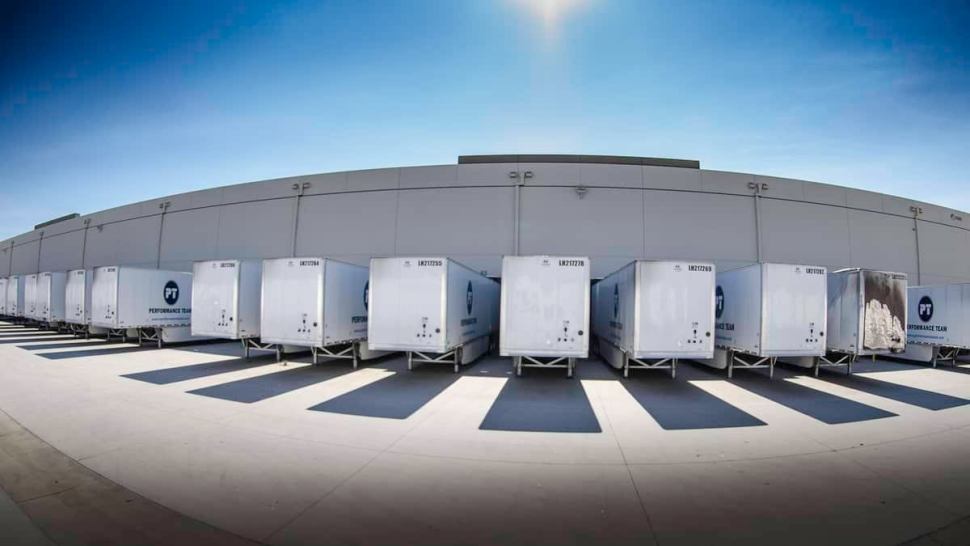
A man in Florida was arrested after selling 23 semi-trailers using fraudulent VINs in a scheme worth over $287,000, according to the Florida Department of Agriculture and Consumer Services and the Office of Agricultural Law Enforcement. On the surface, everything looked clean. The trailers were real, the paperwork matched, and the deals moved forward without issue. Money changed hands like any normal transaction. Nothing raised concern early, and there were no obvious signs of an issue at the time of sale.
According to authorities, the case did not involve a traditional cargo theft or load interception. Instead, it centered on VIN-related fraud tied to the trailers themselves. VINs are used to identify equipment history, ownership, and compliance. In this case, the VINs appeared consistent on the surface but were later found to be altered or misrepresented.
when the numbers cannot be trusted
The suspect sold 23 trailers to a single buyer; each one tied to a VIN that had been altered or misrepresented. Investigators were able to recover 18 of those trailers, but the damage had already been done. The case did not break during the transaction. It began after multiple trailers were flagged for suspected VIN irregularities, which triggered a deeper investigation. That investigation led authorities back to the buyer and confirmed that all 23 trailers carried falsified VINs. The buyer believed they were purchasing equipment with a clean history. Instead, they were purchasing equipment tied to inaccurate or altered VIN information.
expansion beyond traditional cargo theft
This case highlights how fraud can extend beyond loads in transit. Fraud is no longer limited to loads in transit. It is now reaching into equipment, identity, and ownership. If a VIN can be manipulated, then everything tied to that asset becomes uncertain. That includes financing, insurance, and compliance. One false number can impact the entire chain.
The scale matters. This was not one trailer. It was 23. That means the same method worked repeatedly without being stopped. It did not require a complex plan. It only required a gap that was not being checked. The repeated use of the same method indicates the gap was not identified early.
While 18 trailers were recovered, the case highlights how exposure can occur before discrepancies are identified. The repeated use of the same method points to a verification gap that was not addressed early.
Verification cannot rely on surface-level checks alone. Matching paperwork and VINs without deeper validation can allow inaccurate data to move through the transaction. Once incorrect information enters the system, it can impact ownership, compliance, and downstream processes.
The trailers were real, and the paperwork appeared consistent, but the discrepancies were tied to the VINs themselves.
Click here for more articles on cargo theft and freight fraud by Phillip Brink.
Brokerage Compliance Symposium
The day before F3. Every compliance issue you face - fraud exposure, carrier liability, FMCSA rules, cargo theft, insurance gaps - navigated by attorneys and operators defining best practices in a changing industry.
F3 Awards Dinner
The night before F3. FreightTech100 companies honored. FreightTech 25 and Shipper of Choice winners revealed live. Cocktail reception into dinner and live music - 300 industry leaders in one purpose-built room.
F3: Future of Freight Festival
Industry-defining keynotes, rapid-fire technology demos, and industry leaders networking in experiences across Chattanooga - plus the inaugural F3 Awards Dinner featuring the FreightTech and Shipper of Choice reveals.
The day before F3. Every compliance issue you face - fraud exposure, carrier liability, FMCSA rules, cargo theft, insurance gaps - navigated by attorneys and operators defining best practices in a changing industry.
The Signal at Chattanooga Choo Choo • Chattanooga, TN Register NowThe night before F3. FreightTech100 companies honored. FreightTech 25 and Shipper of Choice winners revealed live. Cocktail reception into dinner and live music - 300 industry leaders in one purpose-built room.
The Signal at Chattanooga Choo Choo • Chattanooga, TN Register NowIndustry-defining keynotes, rapid-fire technology demos, and industry leaders networking in experiences across Chattanooga - plus the inaugural F3 Awards Dinner featuring the FreightTech and Shipper of Choice reveals.
The Signal at Chattanooga Choo Choo • Chattanooga, TN Register Now