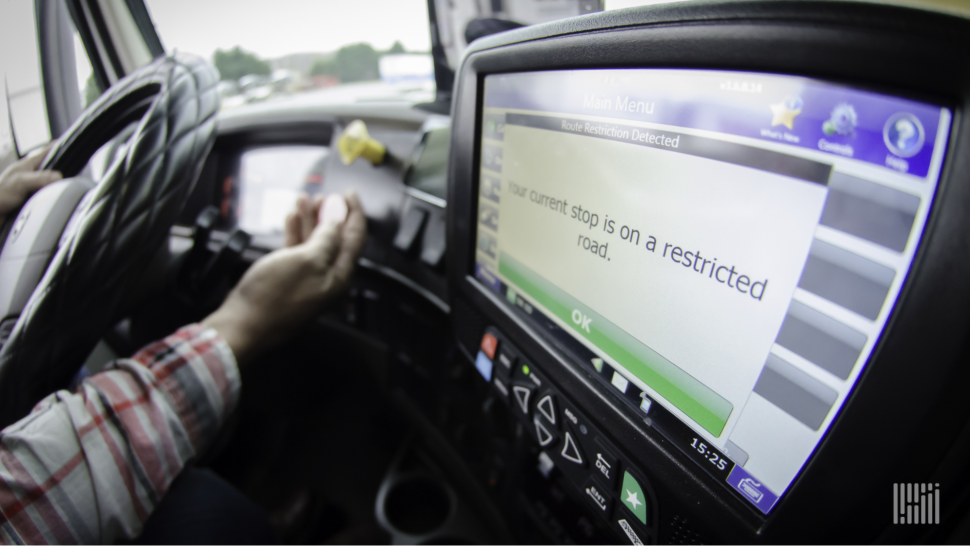
For years, electronic logging devices (ELD) were treated as little more than compliance tools, recording hours of service to satisfy regulators. ELDs are no longer just boxes to check, they are a part of a bigger tech evolution in the supply chain.
At their core, ELDs collect a steady stream of information: engine diagnostics, GPS location, time-stamped movements, and driver behavior. This data illuminates every friction point across a fleet, from fuel waste and idle time to route inefficiencies and driver performance. In other words, it turns intuition into insight.
Route efficiency is one of the clearest benefits. By tracking out-of-route miles, dwell times, and terminal bottlenecks, fleets can optimize dispatch, reduce idle fuel burn, and price lanes more accurately. Fuel efficiency gains follow naturally: idling, speeding, harsh acceleration, and inefficient gear use leave measurable traces in the data, which can be addressed through targeted driver coaching.
Rather than following rigid mileage schedules, modern fleets now use ELD and telematics data to spot mechanical issues before they cause downtime.
Large fleets ingest hundreds of millions of data points daily to forecast failures, ensuring vehicles stay on the road and operations stay smooth. Meanwhile, driver safety improves as metrics like harsh braking and rapid acceleration are monitored, enabling proactive coaching that protects both drivers and fleets.
The strategic value of ELDs extends beyond daily operations. When connected to dispatch, pricing, safety, and customer service workflows, the data drives smarter business decisions. Fleets can identify network imbalances, optimize trailer and tractor utilization, and strengthen relationships with shippers by sharing transparent performance metrics.
ELDs hold data that when used correctly can otimize a fleet’s performance. According to Truckstop.com the top six ways to effectively use your ELD’s data are:
- Match loads to HOS in real time: Pair your ELD data with solutions like the Truckstop Load Board and Truckstop Book It Now to grab loads that fit each driver’s remaining hours. This can mean fewer violations and layovers.
- Price lanes with data, not guesses: Price your lanes correctly by looking closely at ELD dwell, speed, and out-of-route trends. Set fair rates, add accessorials where detention is common, and keep lanes attractive to drivers.
- Cut detention using your facility data: Using your ELD dwell reports, build a list of the fastest facilities. Prioritize those shippers on your load board and rebook trusted partners.
- Reduce empty miles and deadhead: Use ELD GPS patterns to spot common empty corridors. Save searches and set alerts for when you’re on the go, and grab backhauls before drivers arrive.
- Reposition trailers without buying more: Use power-only load boards to move empties and preloads when pools get out of balance. Align your moves with the driver’s HOS windows.
- Keep your network safe if you broker overflow: Onboard and monitor carriers fast with an advanced, centralized platform. The right solution can help you lower fraud risk and stay on top of insurance and compliance changes.
Yet challenges remain. Data overload, incompatible systems, and internal silos can prevent fleets from fully realizing these benefits. Driver concerns about monitoring and device compliance issues add complexity. Still, the divide is clear: fleets that embrace the data-driven approach gain measurable advantages, while those who treat ELDs as mere compliance tools risk falling behind.
The takeaway is simple: ELDs are not just regulatory artifacts—they are strategic assets. Fleets that harness the full potential of this data gain operational clarity, financial efficiency, and a competitive edge in a rapidly evolving industry. Those that don’t risk lagging in a world where smarter, safer, and more connected operations define success.
Brokerage Compliance Symposium
The day before F3. Every compliance issue you face - fraud exposure, carrier liability, FMCSA rules, cargo theft, insurance gaps - navigated by attorneys and operators defining best practices in a changing industry.
F3 Awards Dinner
The night before F3. FreightTech100 companies honored. FreightTech 25 and Shipper of Choice winners revealed live. Cocktail reception into dinner and live music - 300 industry leaders in one purpose-built room.
F3: Future of Freight Festival
Industry-defining keynotes, rapid-fire technology demos, and industry leaders networking in experiences across Chattanooga - plus the inaugural F3 Awards Dinner featuring the FreightTech and Shipper of Choice reveals.
The day before F3. Every compliance issue you face - fraud exposure, carrier liability, FMCSA rules, cargo theft, insurance gaps - navigated by attorneys and operators defining best practices in a changing industry.
The Signal at Chattanooga Choo Choo • Chattanooga, TN Register NowThe night before F3. FreightTech100 companies honored. FreightTech 25 and Shipper of Choice winners revealed live. Cocktail reception into dinner and live music - 300 industry leaders in one purpose-built room.
The Signal at Chattanooga Choo Choo • Chattanooga, TN Register NowIndustry-defining keynotes, rapid-fire technology demos, and industry leaders networking in experiences across Chattanooga - plus the inaugural F3 Awards Dinner featuring the FreightTech and Shipper of Choice reveals.
The Signal at Chattanooga Choo Choo • Chattanooga, TN Register Now