





Alibaba moves into Japan with third-party logistics offering
Alibaba is a massive online shopping platform, but it also wants to be a dominant logistics provider around the world. It now covers Japan.
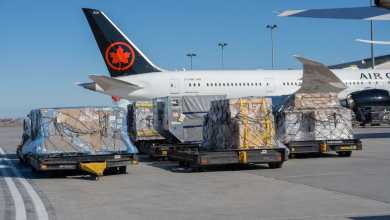
Air Canada eyes converted freighters to capitalize on cargo boom
Air Canada sees a business opportunity flying all-cargo planes for e-commerce companies.
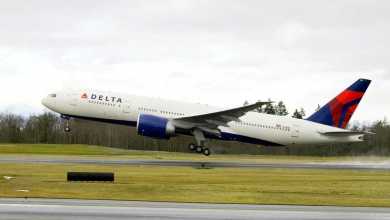
Delta 777 has short-lived run as seatless freighter
Delta took pains to remove seats from a large jet so it could carry more cargo — and eight weeks later permanently parked the airplane.
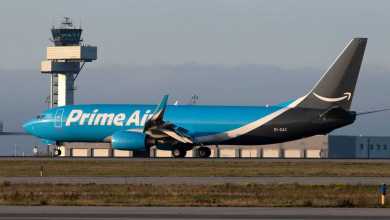
Amazon Air opens first European hub
Amazon has ambitions to expand its air network internationally, and now has its own airport sort center in Europe.

Can manufacturers escape China’s gravitational pull? (with video)
A “China+1” or “China+2” strategy makes sense for many reasons, but how much can companies afford to distance themselves from China’s manufacturing prowess?
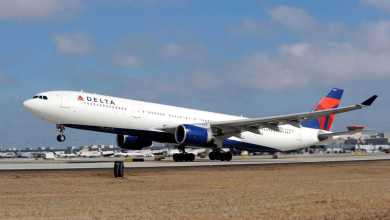
Delta Air Lines adds mini-freighter flights to Europe, India
Delta is responding to customer willingness to pay good rates for airfreight by adding more cargo-only flights.
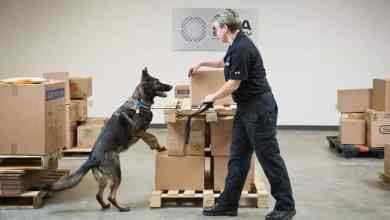
TSA seeks enhanced screening capabilities for air cargo (with video)
The TSA is doing a better job partnering with airfreight companies on security, but better training and technology are needed to meet future security obligations.
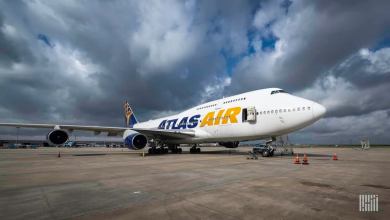
Atlas Air beats Q3 estimates on strong demand for air cargo
Atlas Air rode the rising tide for air cargo to higher profits in the third quarter.
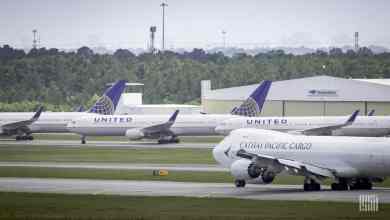
Air cargo momentum builds; air travel stumbles
The airfreight market is gaining strength as trade and e-commerce grow, but the disappearance of most international air travel is hurting airlines. And the situation appears to be worsening with new waves of COVID in Europe and the U.S.

US Civil Reserve Air Fleet could be model for rocket cargo carriers
The U.S. military relies on its own cargo aircraft and commercial operators to move personnel and equipment around the world. Rockets could do that in a tenth the time.

COVID supply chain disruptions reinforce ‘China+1’ strategy
China still holds the title of the world’s manufacturing floor, but business challenges are leading more companies to source production in other countries.
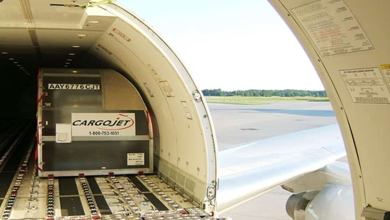
Overnight deliveries, contract carriage propel Cargojet’s Q3 growth
Cargojet’s record airfreight volume helped adjusted earnings double in the third quarter.
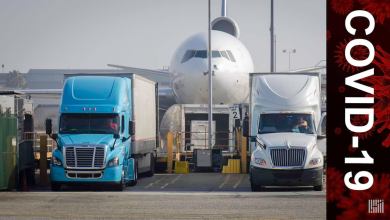
Pfizer to bypass US government system for COVID vaccine distribution
Pfizer and Moderna have developed vaccines that need to be deep frozen. Most freight distribution companies and medical facilities don’t have super-cold freezers, so governments and industry are mobilizing resources until less sensitive vaccines come along that they are equipped to handle.
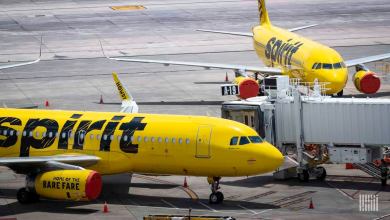
Airbus, EU flag battery issue with parked aircraft
Aircraft stored away because of the pandemic still receive equipment checks and each battery reconnection drains capacity on some Airbus aircraft, which could lead to a loss of power.
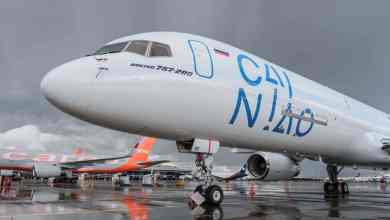
Alibaba launches South Korea logistics service
Alibaba is challenging Amazon on many fronts, including logistics. It’s now handling import/export operations in South Korea.
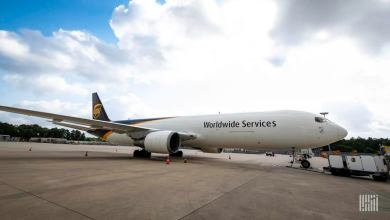
UPS pilots ask for more precautions to slow COVID cases
UPS pilots say the company isn’t holding up its end of the bargain to keep them safe while flying cargo during a pandemic. UPS denies the claims.
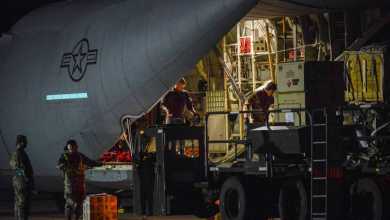
DOD planning ‘every logistical detail’ of COVID vaccine distribution
The Defense Department, the biggest logistics organization in the world, is putting its expertise to work developing a strategic plan for efficiently delivering a COVID vaccine to every corner of the country.
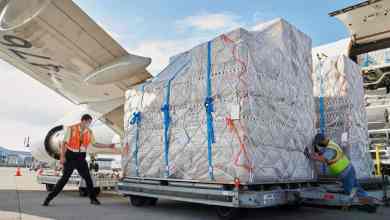
COVID vaccine fallout: General air cargo, wait your turn
COVID vaccines will be the highest priority for air cargo companies, and that means other types of shipments could sit in warehouses waiting to catch a flight if space is short.
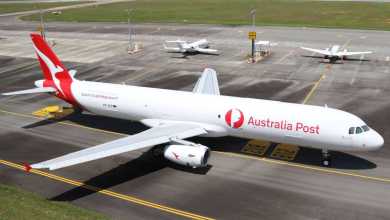
A321 converted freighter debuts with Australia Post
The Airbus A321 is a ubiquitous people-hauler, but now Australia Post has the first freighter version of this popular aircraft.
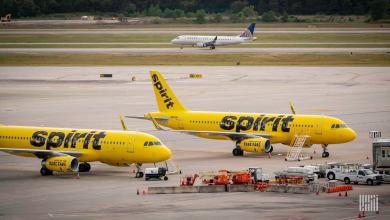
Fixed costs to sink airlines unless governments intervene, IATA warns
Airlines have cut costs to the bone to survive the COVID pandemic. Shrinking the bone — maintenance, airport fees, labor and aircraft rent — is more difficult.

Amazon taps airline executive to oversee sort centers
Amazon gets the pick of the litter. Its latest hire is an American Airlines executive picked to run local terminals.
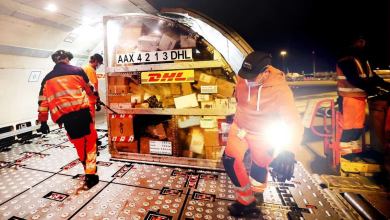
E-commerce explodes into holiday shipping season
We’re shopping online for products at levels not expected for 10 years because of the pandemic. Delivery companies are trying their best to stay ahead of the parcel tsunami coming at them for the holidays.

UPS, FedEx support Apple rollout of new devices
The iPhone 12 has arrived and UPS and FedEx are two of Apple’s shipping providers.

Supply chains will face multiple scenarios for shipping COVID vaccines (with video)
The challenges of delivering a coronavirus vaccine to 8 billion people are immense, but over time more logistics companies will be able to participate as shipping tolerances ease.
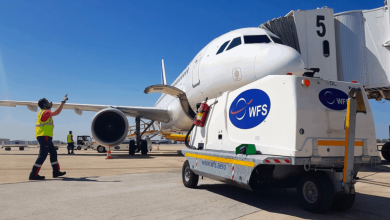
House committee slams airline contractors for layoffs after COVID aid
Ground handling companies, with the help of Trump administration officials at the Treasury Department, took CARES Act aid designed to keep workers employed and still terminated many of them.
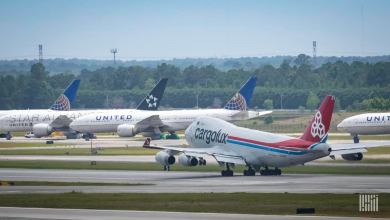
Will we really need 8,000 jumbo jets to transport COVID vaccines?
Airline industry experts are just guesstimating when they say 8,000 big freighter planes will be needed to rush COVID vaccines to the public. Until we know more about the shipping requirements and packaging logistics, folks will still be in the dark.
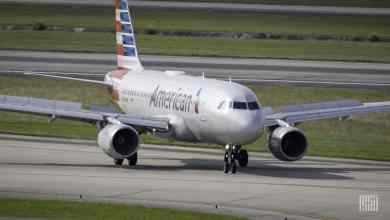
American Airlines gets Q3 boost from cargo as yields pop
American Airlines achieved a $77 million quarter-over-quarter gain in cargo revenue thanks to stepped-up cargo operations and favorable market rates.
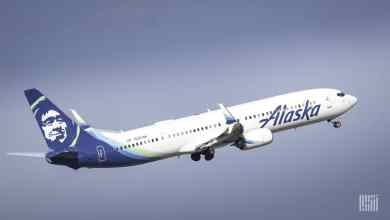
Alaska Air takes $399 million Q3 loss, but reduces cash burn
Alaska Airlines is slowly improving its financial outlook month by month, but it still lost about $400 million in the third quarter.

Cathay Pacific shutdown of Dragon brand cuts intra-Asia cargo capacity
Cathay Pacific is having trouble remaining a viable airline with just a trickle of passenger business due to the coronavirus. It’s taking drastic measures.
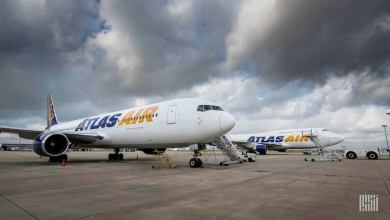
House Democrats try to claw back COVID aid from cargo airlines
Air cargo companies are raking in revenues this year. It might be a bad time to ask for a handout from the government.
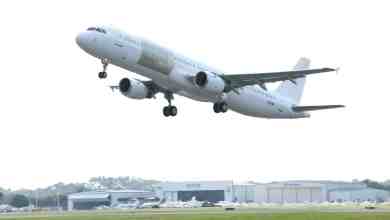
Why the A321 converted freighter looks like a hot ticket (with video)
(Updated Oct. 260, 2020, 9 A.M. ET, with more on EFEW, Sine Draco Aviation) Questions about whether the new Airbus A321 converted freighter could generate orders and catch up to the Boeing 737-800, which has a three-year head start in the express delivery market, are quickly dissipating. Aircraft trading and leasing company Vallair announced Tuesday […]
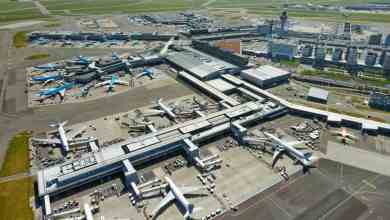
Cargo levels remain below 2019 at key European, Asian airports
Some Top 20 cargo airports still can’t get above water in terms of freight volume because there aren’t enough passenger planes flying.

Rovinescu to retire as Air Canada CEO in February
Air Canada is losing its CEO, Calin Rovinescu. He will retire early next year with a reputation for bold leadership.
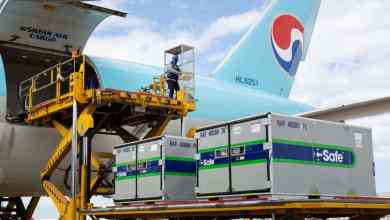
Information fog hinders air cargo readiness for COVID vaccine
How do you prepare for the Super Bowl if you don’t know who your opponent is? That’s how airlines and freight managers feel about preparations for transporting a COVID-19 vaccine when one is approved because manufacturers aren’t freely sharing shipping details.
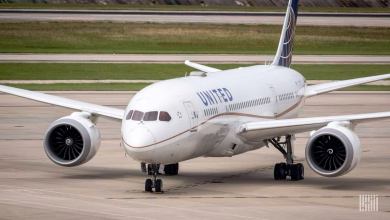
50% jump in cargo revenue helps United Airlines slow Q3 cash burn
United Airlines lost more than $2 billion in the third quarter, but the cargo division did its part to stabilize finances.
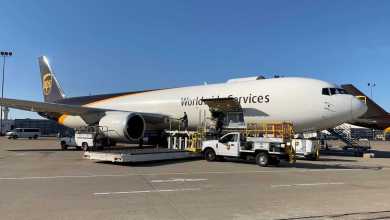
ATSG enjoys banner year leasing 767 converted freighters
UPS is one of nine companies that have leased lots of freighters from Air Transport Services Group this year. Find out who else is leasing these popular aircraft.
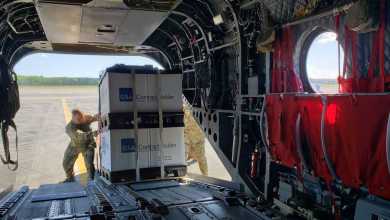
FEMA launches 5-year supply chain plan for pandemic preparedness
FEMA is trying to plan ahead for supply chain bottlenecks related to pandemic response and says it needs private sector help. New antitrust immunity on information-sharing should help.
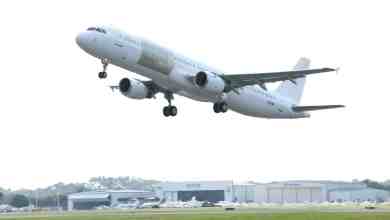
New A321 converted freighter passes first test flight in US
The A321 has a lot of potential in the air cargo market because of its efficiency and payload. Companies are beginning to convert passenger planes into cargo freighters.
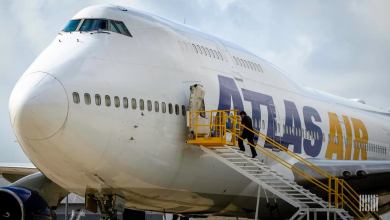
Alibaba taps Atlas Air for parcel airlift to South America
Alibaba is taking on Amazon around the world. Its latest move is in South America, with a new dedicated air service to speed up shipments.
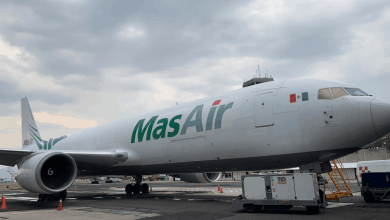
DHL hires MasAir Cargo to shave day from Asia-Mexico transit
Mexican all-cargo carrier MasAir is operating multiday service each week from Los Angeles to Mexico for DHL Express.
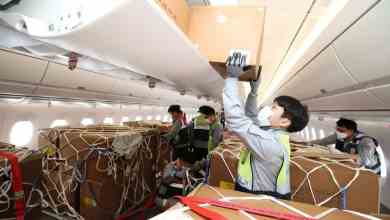
Asiana reconfigures A350 passenger cabin with Airbus cargo pallet system
Asiana and Azul are taking cargo seriously in an unprecedented year for aviation. To capture greater cargo revenue, Asiana has replaced passenger seats with a novel freight pallet system. Azul is turning regional jets into cargo planes.

CSX freight train splits semi on tracks near Indianpolis
Train vs. truck in collisions. Train always wins.
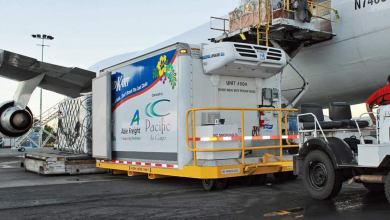
Real estate mogul Sam Zell invests in perishables forwarder Able Freight
Multibillionaire Sam Zell has holdings in many industries, including logistics. His company bought Able Freight, seeing higher growth opportunities in perishable logistics than standard dry goods.

American Airlines keeps cargo-only flights to Beijing through March
American Airlines cargo and passenger flights will shift to a new mega-airport in Beijing in March. Passenger demand will dictate how long cargo-only flights continue.

Online grocery fulfillment in Canada falls short of expectations (with video)
A grocery supply chain expert told the FreightWaves Last Mile Logistics Summit that grocery stories are not feeding the Canadian appetite for online shopping.
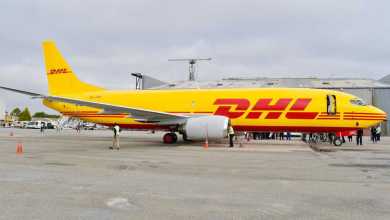
Mesa Airlines makes first cargo flight for DHL
Mesa Airlines and DHL reach a big cargo milestone.

21 Air gets creative, adds capacity with passenger freighter
21 Air is a small cargo airline that wants to expand but can’t afford new aircraft. So it’s acting as a sales agent and partnering with others to get more freight business when shippers are desperate for airlift.

Air cargo veteran White to retire as CNS president
Michael White has been carrying the flag for air cargo in the U.S. for more than two decades. He will retire at the end of the year.
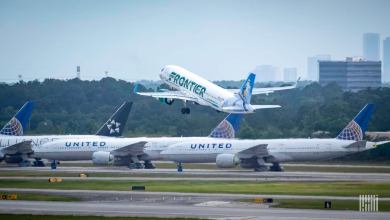
Airline group issues distress call as projected losses reach $128B
Airlines are slowly adding flights, but don’t mistake that for market optimism. Bookings are trending down for the winter and airlines are bleeding billions in cash.

United Airlines cargo planes to share space again with passengers
At airlines, cargo is typically the junior partner to passenger service. During COVID, the roles are reversed and United Airlines is using its cargo network to support more passenger service.
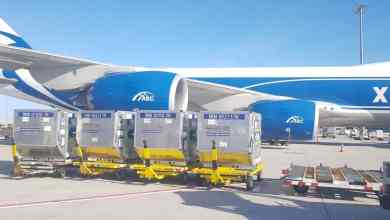
Air cargo’s COVID-19 arms race
More airlines and logistics firms are fortifying their pharmaceutical handling capabilities and credentials ahead of an expected COVID-19 vaccine release. Several companies this week announced new product offerings, investments or logistics arrangements aimed at vaccine manufacturers. Industry officials have warned that there isn’t enough cold-chain infrastructure worldwide to support an immediate delivery schedule, and urged […]
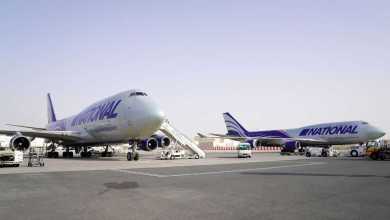
National Airlines expands 747 freighter fleet by 150%
National Airlines – not National the car rental company – is adding three 747s to its freighter fleet at a time when shippers are desperate to find airlift.
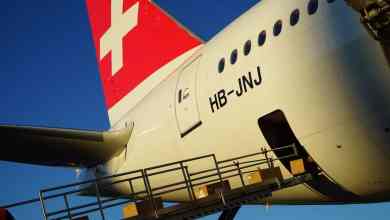
Lack of passenger flights holds down airfreight
The air cargo industry is operating with an anchor tied around its waist: The absence of strong passenger service.
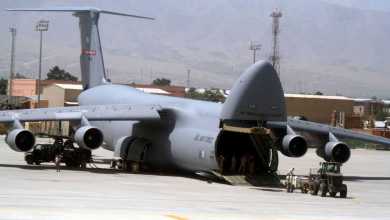
Trump says military assets poised for COVID vaccine distribution
President Donald Trump is trying to fast-track a COVID-19 vaccine and appears ready to mobilize military assets. A possible scenario involves an airlift with Air Force cargo jets, which offer two advantages: speed and cold storage.
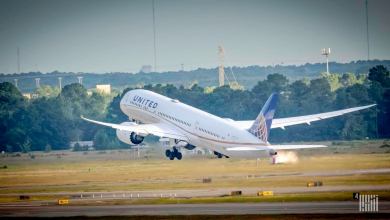
Airline cargo divisions finally gain a little R-E-S-P-E-C-T
Cargo is no longer the stepchild at passenger airlines. Strong cargo sales have helped keep airlines afloat as revenues plunge during the coronavirus. Will we see airlines start to buy freighters to capitalize on cargo demand?

New FedEx feeder freighter passes first test flight (with video)
FedEx doesn’t just operate big cargo jets. It has small delivery planes too. ATR completed a test flight of a propeller aircraft that will carry freight for FedEx Express.
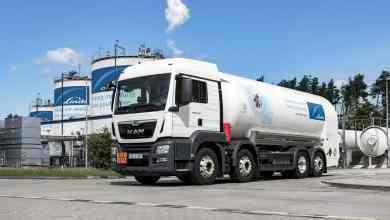
Linde GmbH settles US allegations of import fraud for $22 million
German gas manufacturer Linde GmbH allegedly blew hot air at U.S. Customs in its import declarations to fake the value of goods and lower its duty liability.
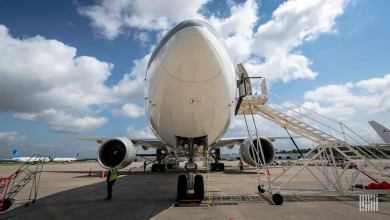
Air cargo fell 17% in August, World ACD says
Making more money doing less less work. That’s air cargo in a nutshell. Volume is down from 2019, but yields are up.

Schiphol airport organizes cargo community to expedite COVID vaccine distribution
From trucking, security and data exchange to customs and civil aviation permissions, the Amsterdam airport is covering all the bases for rushing out approved coronavirus vaccines.

Ocean shipping giant CMA CGM spreads its wings to air cargo
French ocean carrier CMA CGM is diversifying into a multi-modal transport and logistics company, dipping its toe into the air cargo market after buying a huge third-party logistics company last year.
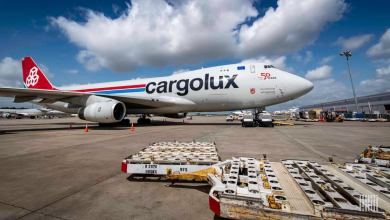
Peak shipping season for air cargo heats up to full boil
Good luck finding an available aircraft to haul your goods at a reasonable price for the next three months. Competition for airlift is fierce these days. Find out why.
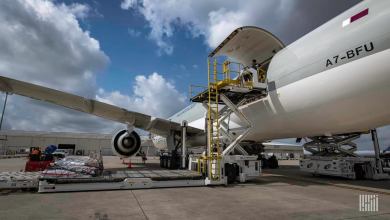
US airforwarders adjust to new COVID business environment (with video)
Logistics companies are making lemonade from lemons during the coronavirus. New processes and workarounds keep freight moving, but often at extra cost.
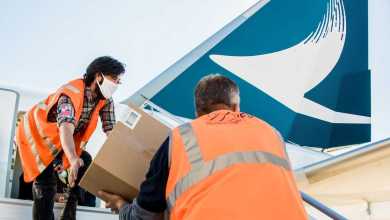
Midsize forwarder makes big charter commitment to Pittsburgh airport (with video)
Pittsburgh International Airport is a diamond in the rough when it comes to air cargo. The airport sits in a geographic sweet spot for reaching a huge chunk of the U.S. population by truck. Airlines and logistics companies are beginning to diversify their supply chains to cargo-friendly airports like Pittsburgh.
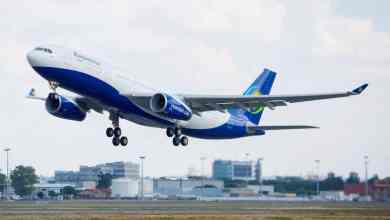
Air Cargo Report: More capacity comes on line, but shortage persists
Companies have to spend more time trying to find cargo space for their goods with more than half the global passenger fleet still grounded by the coronavirus. The good news is carriers and logistics companies continue to add services.

IATA cargo chief Hughes takes buyout amid downsizing
Voluntary redundancy is the term used when an organization has more jobs than it needs — or can afford. It’s a nice way of letting people go compared to forced layoffs. IATA has offered deals for employees to leave early, and cargo chief Glyn Hughes has accepted.
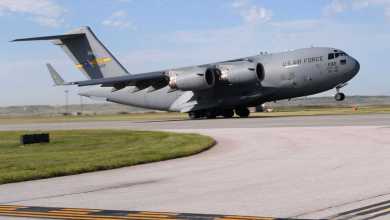
US Air Force could deploy freighters to fly truckloads of vaccine
The U.S. government is coordinating with the private sector how to quickly deliver a COVID-19 vaccine, but under one scenario officials are contemplating the military could deploy giant cargo planes to carry refrigerated trucks full of vaccines.
Transportation photo gallery: The Pacific Northwest wildfires
Fires and heavy smoke have dominated life in Oregon and Washington this week. Here are photos from a transportation perspective.
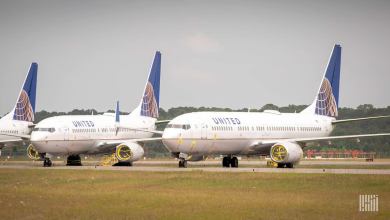
Hurricane Sally tests United Airlines’ protections for parked planes
It’s hurricane season in the U.S. and typhoon season in Asia. Planes on the ground are vulnerable. United Airlines and Hong Kong International Airport reveal their playbooks for securing parked planes.
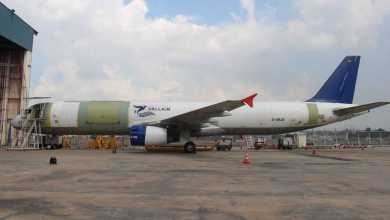
Airbus A321 embarks on second act in e-commerce
When some passenger planes get long in the tooth, they get a second life in cargo. The latest candidate for conversion in the Airbus A321. It offers more shipping space than a Boeing 737 and could be flying to an airport near you soon with your online order.

Wildfires force Alaska Airlines to suspend some Oregon, Washington flights
(Updated Sept. 15, 10:20 A.M. ET with information on FedEx) Worsening smoke conditions prompted Alaska Airlines (NYSE: ALK to suspend all flights for 24 hours in Portland, Oregon, and Spokane, Washington, beginning at 3 p.m. on Monday. Otherwise, airline and parcel delivery networks have experienced limited disruption from the devastating wildfires that have impacted millions […]
German logistic giants mount air charter programs
The freight-forwarding arms of DHL and DB Schenker are adding air capacity by leasing aircraft from all-cargo operators. The new services and features from DHL and FedEx are designed to meet growing demand associated with COVID and greater temperature requirements.
Airfreight Market Roundup: China dips while SE Asia stays strong
Air cargo capacity is tight out of key areas in Southeast Asia, but Chinese exporters enjoyed a week of flat to lower rates as supply exceeded demand
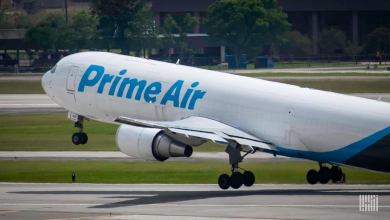
Amazon Air expands at unprecedented pace, report says
Amazon is pushing the envelope on fast delivery, increasingly replacing long-haul trucking with air transport. A new report shows how the retail giant is expanding its Air wing to do that.

More airfreight providers put premium on pharma service
New medicines and life science products are more valuable and temperature-sensitive than before, requiring special storage and transportation conditions. Will there be enough of this infrastructure to handle a COVID vaccine?

Air cargo’s moon shot: Get COVID vaccine to world
Whether or not President Donald Trump’s optimism about an October surprise comes to fruition, there could be an approved coronavirus vaccine next year. A giant flotilla of all-cargo planes will be deployed to deliver the medicine around the world, but airlines are already short of capacity and there isn’t yet enough refrigerated infrastructure to safely store that much vaccine. Airlines are issuing a call to action.
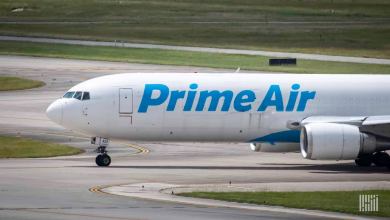
Amazon Air hires ATSG to fly six more freighters
Amazon has outsourced aircraft operations again to long-standing vendor Air Transport Services Group. But Amazon is diversifying how it operates, adding an owned aircraft to its fleet.
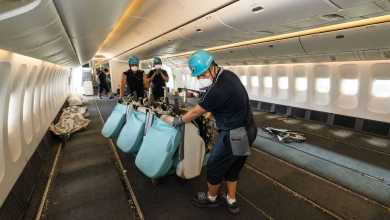
Korean Air jettisons passenger seats to up cargo capacity
“Look, Mom, no seats!” That’s Korean Air saying it’s flying a passenger plane with the seats removed because it can make more money putting cargo on the floor.
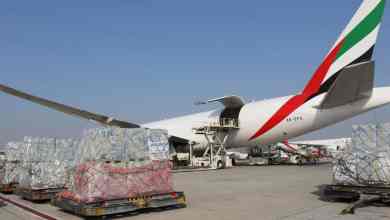
Asia airfreight rates are high and climbing higher
Companies that need to move goods by air will need to increase their transportation budgets to get through the fourth quarter as low capacity ignites airfreight prices.
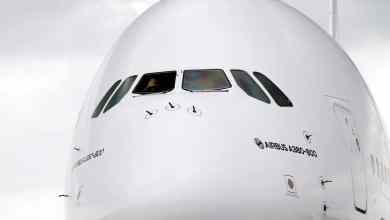
Emirates brings back A380 super jumbo jet, more routes
Some people call it the Flying Forehead. The A380 is a double-deck plane that airlines quickly parked when the coronavirus destroyed travel demand. Now, Emirates is starting to fly a few of the mammoth planes.
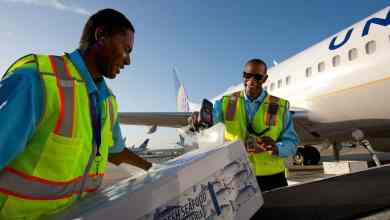
United Cargo spared brunt of airline’s job cuts
No part of United Airlines was spared from job cuts announced Wednesday, but the cargo division’s roughly 50 job losses are far fewer than those in other parts of the company.

Airlines say survival depends on bailouts, reopened borders
The viability of the airline industry is at stake because COVID has mostly wiped out passenger travel. The group’s global trade association is pleading with governments to help airlines with rule changes and financial aid.
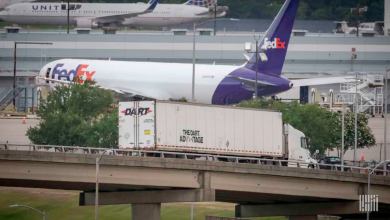
UN urges support for postal, air cargo and express mail operators
Many postal services were underfunded prior to the coronavirus pandemic and now have extra demands for their service. UN agencies involved in air transport and postal operations want governments to help postal logistics with financial aid and operational flexibility.
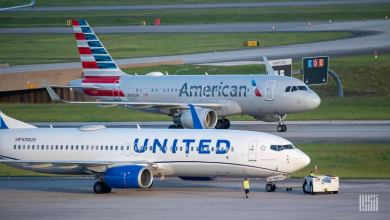
Analysis: US airlines eliminate change fees — and thousands of jobs
U.S. passenger travel seems capped at about 70% of last year’s level until there is a coronavirus vaccine. International travel is a dumpster fire — carriers heavily exposed to international markets will take longer to fix their balance sheets.
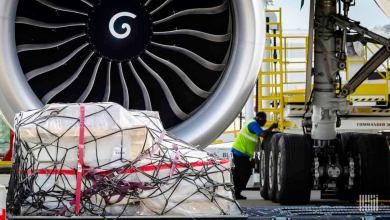
Supply constraints limited air cargo growth in July
The air cargo market continued its recovery in July from the depths of the COVID pandemic, but is still far below last year’s results. Demand is expected to shoot up in the next few months because the holidays are coming.

Stink bug fouls up Australian airfreight
You’ll have to hold your nose if you crush a stink bug. More than a nuisance, the stink bug is a destructive pest that can damage many crops. Australia has put tight measures on air and sea freight to keep the bug out of the country.
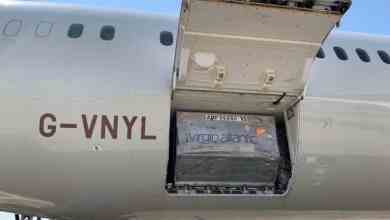
Several regions experience air cargo lull ahead of peak season
Price inflation has tapered off for many – not all – air cargo markets during the second half of August. Shippers shouldn’t get used to it.
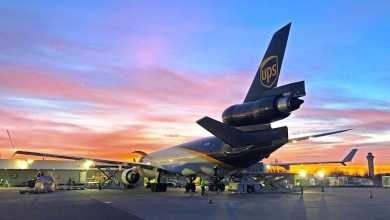
UPS expanding at Kansas City airport as e-commerce surges (video)
UPS is a modern-day version of the Pony Express, which operated its eastern terminal outside Kansas City. UPS is adding space at the Kansas City airport to park five aircraft wingtip to wingtip.
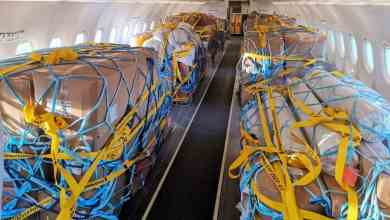
Singapore’s Scoot strips seats for cabin cargo
If you’re an airline with the name Scoot, you’ve got to move fast. The Singapore carrier did that when it transitioned to cargo flights and removing passenger seats.
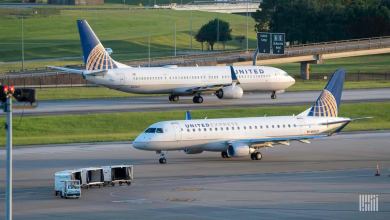
Hurricane Laura: United Airlines cancels flights, cargo delayed
Hurricane Laura’s onslaught has begun to disrupt air logistics in Texas.
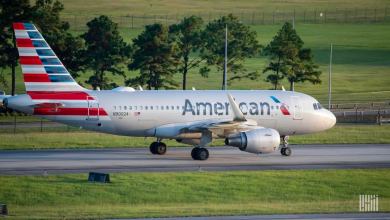
American Airlines to chop 19,000 jobs amid travel slump
The CARES Act was a Band-Aid for the airline industry, holding tens of thousands of jobs in place for a brief period. Now the Band-Aid is coming off and without a fresh dressing, American Airlines and competitors are planning big layoffs.

Cobwebs and corrosion: Reactivating parked aircraft requires extra care
Hibernation is good for bears, but not so much for aircraft. When planes sit for extended periods, systems can erode and corrode, and bugs can make nests in key components. That’s a big safety concern airlines need to manage.
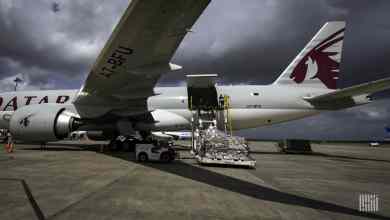
New air cargo security standards could gum up e-commerce exports
The U.S. Transportation Security Administration is not ready to implement new international security standards for cargo carried on freighter aircraft that go into effect next year. Whatever the plan, the air cargo industry will face higher costs to inspect cargo.

Qantas consolidates units in response to depressed international market
International travel is Qantas Airways’ bread-and-butter business, but it has been mostly wiped out by the coronavirus crisis. Now that underutilized side of the company is getting folded into the domestic unit to save money.

Air Cargo Market Report: China rate rebound takes a breather
Airfreight exports from China slowed a bit in mid-August, allowing shippers to take back a tiny bit of pricing before rates shoot up for the next few months in as retailers build inventory for the holidays.
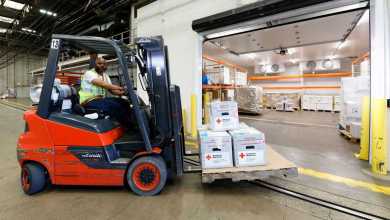
Lufthansa Cargo adds pharma storage facility in Munich
Lufthansa is expanding its network of cold storage facilities for pharmaceutical products. The network meets the highest industry standards.
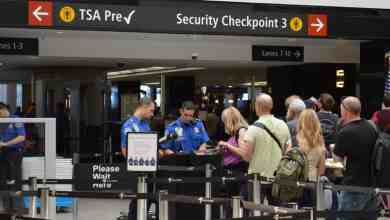
TSA names industry members to aviation security committee
The Transportation Security Administration doesn’t have all the answers for securing airports, passenger flights and air cargo, so it relies on industry advisers. Four new members are joining the industry-led security committee.

FreightWaves Carrier Summit: COVID causes mindset metamorphosis at Ruan (with video)
Ruan Transportation quickly pivoted to adapt to changing economic conditions brought about by the coronavirus. Find out how they did it.
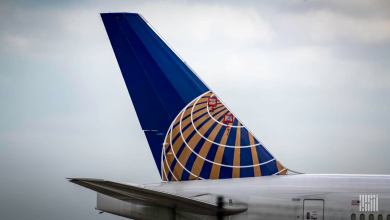
United Airlines surpasses 5,000 cargo-only flights since March
United Airlines’ early commitment to quasi-freighter operations as the coronavirus crisis grew has paid off financially. The airline is ramping up cargo operations even further during the third quarter.
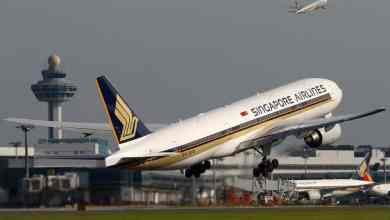
World Food Program says COVID air network could fold soon
The United Nations’ World Food Program is running a global air network with partner airlines to deliver COVID relief supplies to underserved communities but doesn’t have enough funding to continue the flights much longer.
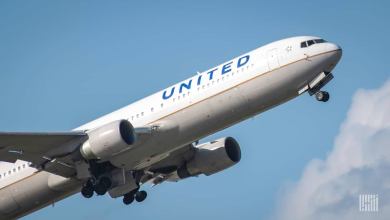
US, China reciprocate on more airline access
Tensions between the U.S. and China are high on a number of trade, diplomatic and security fronts but are easing when it comes to air travel. Both governments are now allowing more flights from each country.