




American Airlines doubles down on cargo-only flights
Several passenger airlines have proven that cargo can be lucrative business during a pandemic with little travel. American Airlines quickly built a dedicated cargo operation but is now throwing more resources at the business as market conditions improve.
Air Transport Services Group starts business to train pilots
Air Transport Services Group is becoming a one-stop service shop for outsourced airline services, especially for cargo operators.
Air Cargo Market: Brace for big rate hikes
Shipping by air got much more expensive when the coronavirus pandemic exploded in March. After moderating earlier this summer, another price spike is brewing.
Delta Air Lines cabins to go naked
Delta Air Lines is stripping — seats that is. Removing seats from passenger aircraft adds capacity for lucrative cargo.
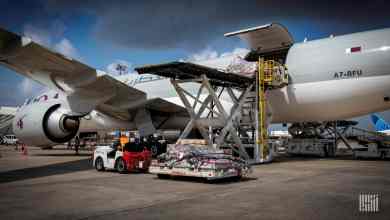
Exclusive: Largest airline trade association to reduce workforce 20%
The International Air Transport Association is preparing to eliminate about 400 jobs as airlines pinch pennies because of the coronavirus pandemic.
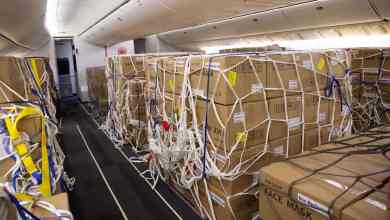
How Air Canada beat US airlines removing seats for cargo
There was a marked difference in how Canada and the U.S. reacted to the opportunity of transforming passenger aircraft into twin-deck freighters by removing the seats. One country moved very fast. The other was slow to the party.
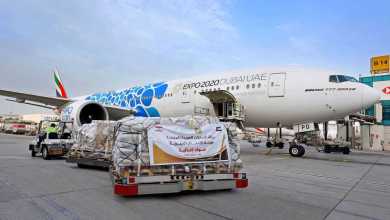
Emirates gears up freighters for Beirut relief
Emirates says it will deploy dozens of all-cargo planes to Lebanon with humanitarian aid in response to the port explosion in Beirut.

The Force is with the USPS
The U.S. Postal Service doesn’t move the mail by itself. It relies on many transportation and logistics contractors. Cargo Forceis expanding operations to assist with express mail that is transported from airport-to-airport by another contractor – FedEx.
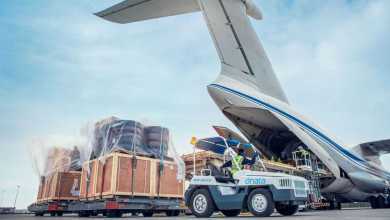
Cargo congestion plagues Sydney Airport in Australia
Shippers are facing delays at Sydney Airport in Australia because cargo terminals are buried in cargo.
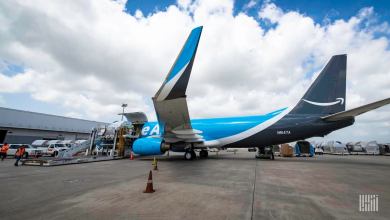
Hawaii says ‘Aloha’ to Amazon Air
Amazon Air is expanding in Hawaii to keep up with Amazon’s fulfillment center push.
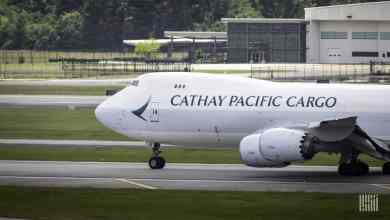
Cathay Pacific renews emphasis on cargo with leadership changes
Cargo has always been a top priority at Cathay Pacific, a combination carrier with a fleet of passenger and cargo planes. But the airline is adding some leadership muscle to gain more logistics customers.

Mesa Airlines envisions operating 10 DHL cargo jets by 2022
Mesa Airlines flies small regional jets on small routes for mainline carriers. Now it’s stepping up a size to the Boeing 737 so it can haul cargo for DHL. Find out how they are getting ready for the new era of cargo.
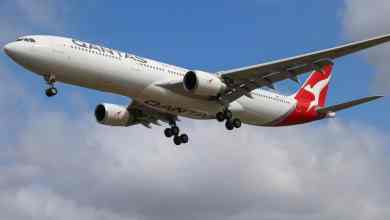
Qantas reopens Melbourne airfreight station after COVID infections
Qantas Freight got permission to bring back employees in Melbourne after they were sent home a week ago to contain the spread of the coronavirus.
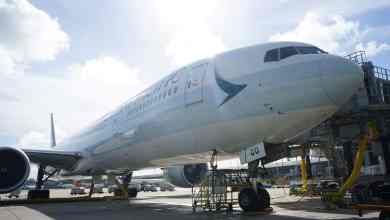
Cathay Pacific strips seats from 777 aircraft for cargo
Cathay Pacific has been flying passenger planes on cargo missions for months, but only in the last couple of weeks did it revert to pulling seats to create more cargo capacity. The new cargo capability comes with additional safety requirements and operational challenges.
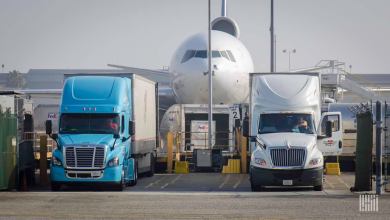
Pressure on air cargo rates from China keeps increasing
Shipping goods by air is expensive, especially on the biggest trade lines from China. Rates are much higher than normal for this time of year, but they are heading up more with no end in sight.

Australian shippers say COVID restrictions could delay container shipments
Victoria and the city of Melbourne, Australia, are tightening health measures to stop an outbreak of the coronavirus. Imports and exports could get stuck at terminals and warehouses.
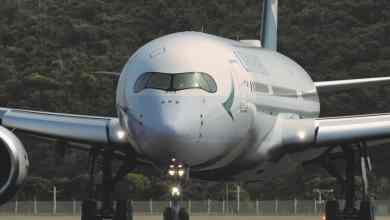
Cathay Pacific sending planes to Australia for storage during pandemic
Warm, dry weather isn’t just easier on the body, it’s nice for airplanes with metal frames and electronics that can deteriorate when there is too much moisture. That’s why Cathay Pacific is sending its planes to a sunny vacation spot while it waits for the coronavirus to go away and customers to start flying again.

Freighters to the rescue: Korean Air posts Q2 profit
Korean Air is a unicorn among passenger airlines. It made a profit in the second quarter, a remarkable feat given the depressed state of the airline industry.
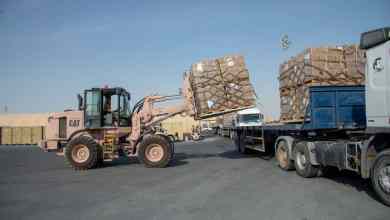
Cargo planes head to Beirut with relief supplies
Beirut is in a state of emergency following a giant chemical blast. Governments are sending cargo planes with basic necessities to help the survivors.
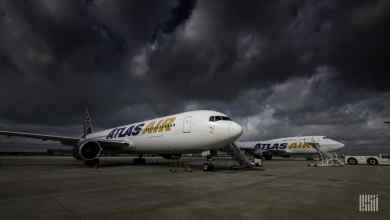
Atlas Air capitalizes on transport shortages for big Q2 profit gain
Atlas Air Worldwide’s big cargo planes have been in flying full tilt since the novel coronavirus metastasized in March. Combine that with high rates and you’ll understand why r revenue and profit grew so much in the second quarter.
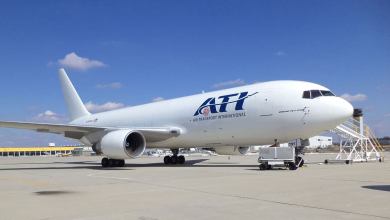
E-commerce, pandemic charters boost ATSG’s Q2 revenues
Air Transport Services Group
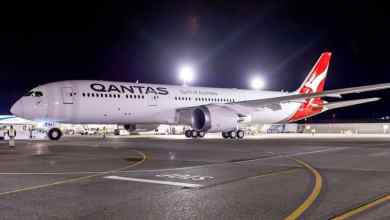
COVID outbreak threatens to delay ocean, air shipments in Australia
Logistics providers are worried that new emergency measures to combat a COVID resurgence in Victoria, Australia, will hamstring deliveries of imports and exports.
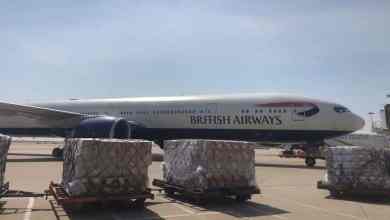
Role reversal: Passenger airlines make more from cargo sales in Q2
The cargo divisions at Air Canada, IAG/British Airways and Air France-KLM played dominant roles for their respective airlines in the second quarter, creating cash flow. Typically, they barely register on the financial statement. What happened?
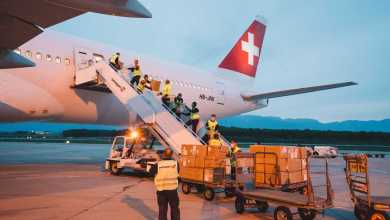
Swiss Air Lines cleared for more types of cabin cargo
Shipping seafood, electronics or a spare part by air? It might get a window seat now on Swiss International Air Lines.
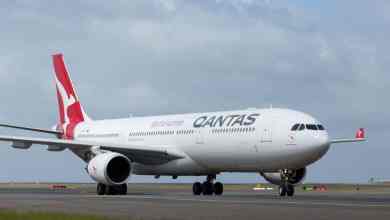
Qantas shuts Melbourne airport facility as government tightens COVID lockdown
The state of Victoria in Australia has declared a COVID-19 emergency and is shutting down nonessential businesses. Qantas Freight is pausing operations at its warehouse because of a health issue.
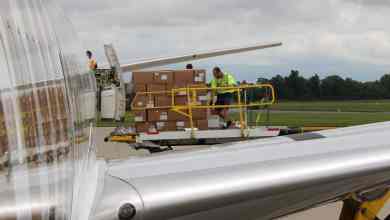
Virus slows airlines from adding capacity, airfreight volatility increases
Airfreight rates from China are on the rise again. The rest of the world is more stable when it comes to air cargo. But China is driving much of the transport activity because of its export of face masks and other goods.

United Airlines nurses international operations back to health
United Airlines is slowly ratcheting up its passenger schedule each month as travel increases, but it’s a tricky game to figure out how much supply to add in an uncertain world.

The flying flexible people freighter: Meet the FlexCombi
The FAA recently gave Pemco Conversions approval to convert 737 passenger jets into freighters, with the added flexibility of carrying pallets and passengers in the main cabin area at the same time.
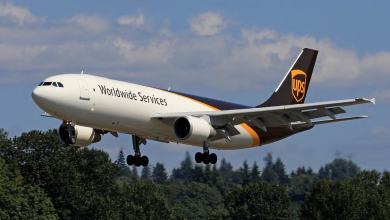
UPS pilots seek option to refuse Hong Kong missions
UPS pilots are seeking protections from aggressive health safety measures in Hong Kong but aren’t going as far as their counterparts at FedEx.
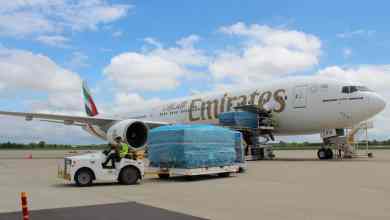
Rickenbacker Airport sets cargo records in June
Rickenbacker Airport, a low-hassle alternative to some big airports, set cargo records in June handling COVID supplies.

FedEx pilots urge company to suspend Hong Kong flights over COVID mandates
FedEx pilots say they face risks to their safety, well-being and mental health in Hong Kong, where they must submit to aggressive quarantine procedures.
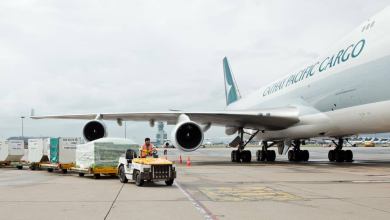
IATA outlook for airline industry recovery slides to 2024
Airline industry officials are more pessimistic about a recovery after seeing a decline in consumer confidence and coronavirus surges in some countries. Cargo has more near-term upside, but June volumes were disappointing for carriers.
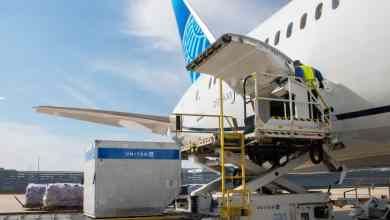
United Airlines goes on cargo tear
It’s not an accident that United Airlines’ cargo business in the second quarter dwarfed that of Delta Air Lines and American Airlines.
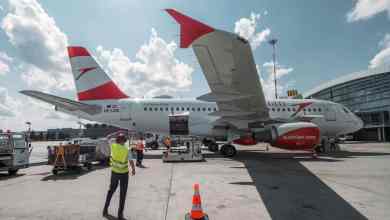
Airfreight rates expected to shoot up by September
Airfreight looks like a haven for some ocean shippers that can’t find reliable, affordable transportation, but it probably won’t be that way for long because more businesses will need to move goods by air in the coming months and there aren’t enough planes.
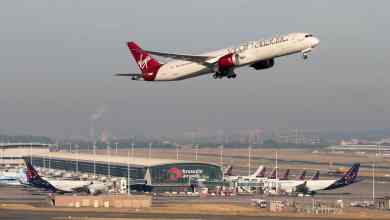
Brussels Airport bucks trend with June rise in cargo volume
Express carriers UPS and DHL helped push Brussels Airport into the black for June’s cargo volume. Most airports during the pandemic haven’t been able to make up for the loss of passenger flights on which so much cargo typically flows.
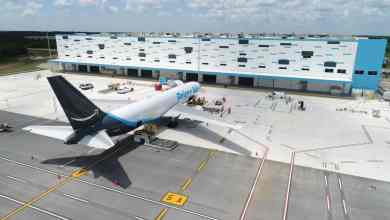
Amazon Air launches operations at new Florida hub
Amazon cargo planes will make daily deliveries to and from the company’s newest airport in Lakeland, Florida.
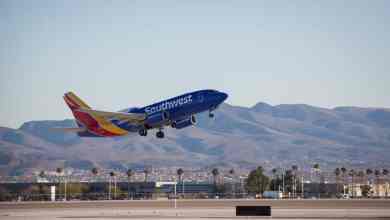
COVID hits Southwest Airlines with $1.5B Q2 loss
Southwest Airlines wrote its second-quarter results in red ink — $1.5 billion to be exact. It is not alone. All airlines are suffering financially from the coronavirus crisis.

United Airlines: Least worst is best
United Airlines lost $1.6 billion in the second quarter. Given that a pandemic has hammered passenger travel, that’s relatively good. Company officials say maintaining capacity discipline for the foreseeable future is critical to get back to profitability.

United Airlines records $1.6B Q2 loss; cargo revenue soars
United Airlines got pummeled by the coronavirus pandemic in the second quarter, losing $1.6 billion before special charges. But cargo revenue jumped because of the huge number of cargo flights it operated without passengers to worry about.

Will shippers miss British Airways’ 747?
British Airways’ decision to retire its fleet of 747 jumbo jets is a loss for aviation lovers, but businesses that ship goods by air will benefit from using more modern aircraft.
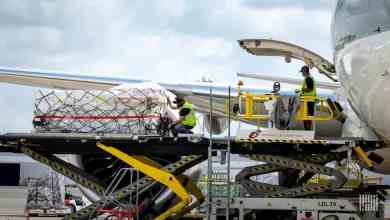
Airlines grew 1H cargo revenues despite drop in volume
The global airfreight market contracted during the first six months of 2020, but airlines made much more money from cargo than last year, according to World ACD.
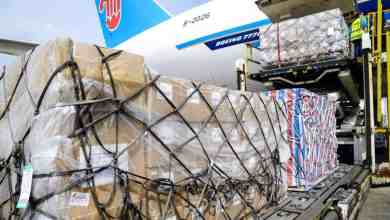
Outbound airfreight market tightens from China, Hong Kong
vailable cargo space on outbound aircraft from China is starting to become scarce again. Shippers better hurry to lock up reservations for the late summer and peak season.

Air Canada cargo chief to head freighter operator Amerijet
Tim Strauss is leaving Air Canada Cargo to lead Miami-based Amerijet.

Pilots blame Atlas Air, FAA for 2019 freighter crash
Blame game: The National Transportation Safety Board says an incompetent co-pilot caused an Atlas Air cargo plane to crash. Contributing factors were an inattentive captain, poor pilot vetting by the company and the FAA’s slowness developing a database for pilot records. The pilots union only points the finger at the company and the FAA.
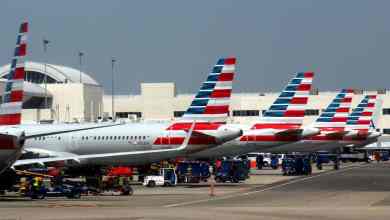
American Airlines, JetBlue form codeshare alliance to accelerate pandemic recovery
American Airlines and JetBlue plan to enter a strategic partnership to drive more passengers to their respective networks as they struggle with the economic fallout of the coronavirus pandemic.
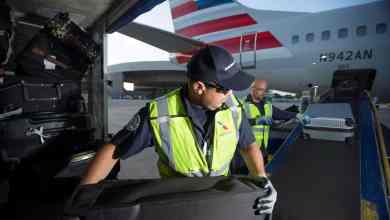
American Airlines warns of 25,000 job cuts
American Airlines, United Airlines and Delta Airlines are planning for mass layoffs unless workers take unpaid leave or separation packages as COVID continues to batter the industry.
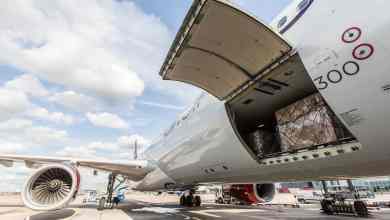
Virgin Atlantic secures emergency investment to fund operation
Virgin Atlantic is recapitalizing without support from the U.K. government thanks to internal and external investors and creditors.
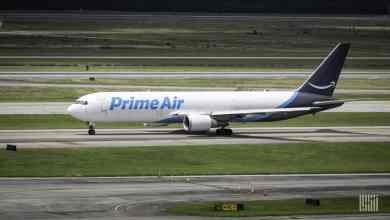
Investigators blame pilot error for 2019 Atlas Air crash
Recipe for disaster: a pilot who made serious mistakes, panicked, had a history of reacting poorly under stress and lied about it to his employer – Atlas Air.
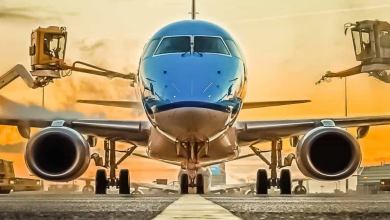
KLM gets EU blessing for Dutch emergency aid
Airlines are leaning heavily on governments for support until they can get back on their feet once the COVID crisis subsides. Next up: KLM.
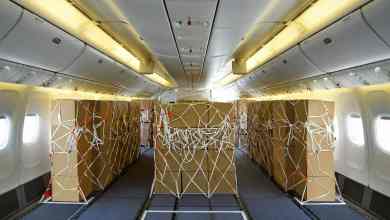
FAA clears airlines to remove passenger seats for cargo
The FAA’s ruling allowing airlines to jam more cargo in the cabin by removing passenger seats may be a pyrrhic victory. The incentive to do so may have passed.
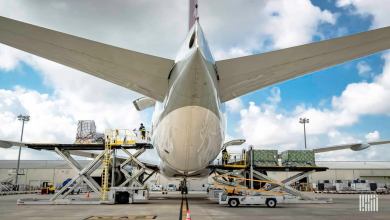
Airfreight Pulse: More capacity eases pressure on rates
The air cargo market is getting closer to equilibrium, but the coronavirus is a wild card that could disrupt economic activity and put a premium on air transport again.

US airlines cancel Hong Kong flights over crew testing
Pilots don’t want to fly to Hong Kong because of mandatory crew tests for coronavirus. Some airlines have hit the pause button on flights to avoid crews getting trapped in long quarantines.
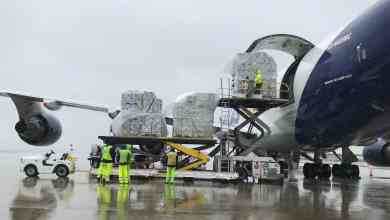
Cargo-friendly airports shine during COVID crisis
When it comes to airports and cargo, bigger isn’t always better. Shippers are finding the benefits of airports that fly under the radar.

Amazon to power cargo jets with sustainable fuel
Amazon uses a lot of energy and emits a lot of pollution, but it is taking aggressive steps to be eco-friendly. Case in point: Amazon Air buying biofuel for its aircraft.

Lufthansa Cargo taps 3PL to run Frankfurt hub
Lufthansa Airlines is transforming itself into a smaller airline, while its Cargo division settles on a single company to manage its central warehouse.
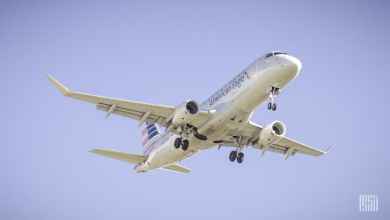
American Airlines announces new cargo president
American Airlines is downsizing. That means the new cargo president and her team are taking on expanded roles.
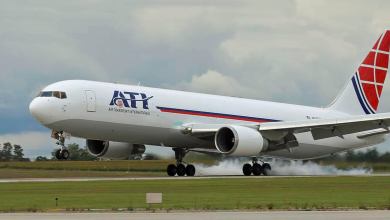
US approves Asia-Pacific route for DHL contract airline
Air Transport International will operate a big cargo plane for an express carrier in the Pacific region on a route in and out of Hong Kong.
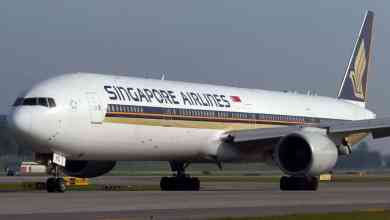
Australia extends funding support for airfreight exports
The Australian government threw a logistics lifeline to exporters having trouble securing air transport to international markets. Hundreds of companies have grabbed on during a tight market. Now, more relief is on the way.
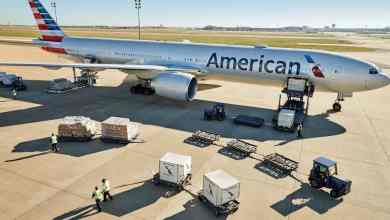
Air cargo market: Rationality returns, but for how long?
The air freight market appears saner in recent weeks, with less competition among shippers for transport services. But the shape of the recovery is anyone’s guess and a possible demand spike for face masks and surgical gowns could create a hyper-market again.
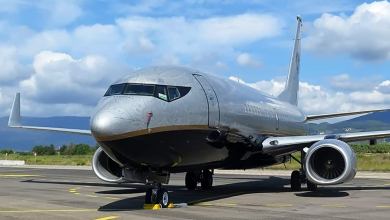
US green-lights Bermuda VIP airline for cargo operations
A Bermuda-based airline sees a business opportunity with the COVID pandemic and is jumping into the cargo market.

El Al crisis worsens, Aeromexico opts for bankruptcy
Airlines are sweating the coronavirus pandemic despite the recent upturn in travel. El Al says it might fail and Aeromexico went the bankruptcy route.
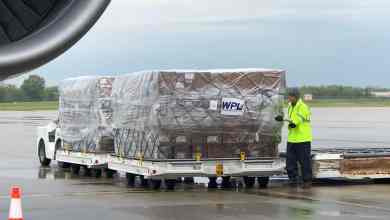
COVID ushers in direct cargo flights from Vietnam
Cargo flights from Vietnam to the U.S. were rare until COVID and the need for speed for supplies to quell the outbreak. It’s a long trip, but it can make economic sense now to make that flight without a stopover.

Delta to reopen O’Hare cargo facility
Delta Air Lines was closed for most cargo business at Chicago O’Hare airport. Now it has a schedule for reopening.
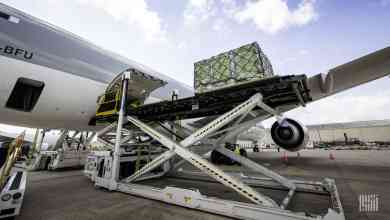
Air cargo picked up in May, demand still weak
Glass half empty – cargo business and finances are bad for the airlines. Glass half full – they’re not as bad as they were two months ago.
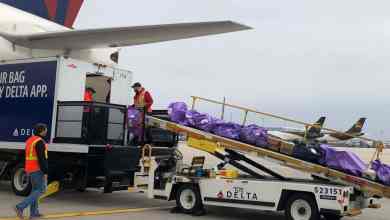
Delta temporarily shuts down cargo facility at O’Hare airport
O’Hare Airport in Chicago is facing cargo congestion and now Delta Air Lines is not accepting any more cargo at its facility until further notice.

Amazon building first robotics fulfillment center in Australia
Robots make work easier at Amazon fulfillment centers. Now, the robots are coming to Australia.

Lufthansa secures German rescue package
Lufthansa is too big to fail in Germany. Now it has a bailout.
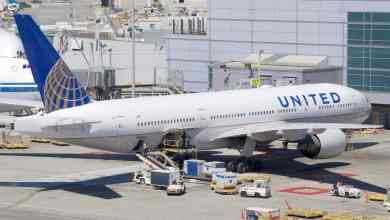
United Airlines to reintroduce China service in July
United Airlines and Delta are dipping their toes back into the China market. But with COVID-19 and political tensions rising it won’t be a surprise if they are stopped again.
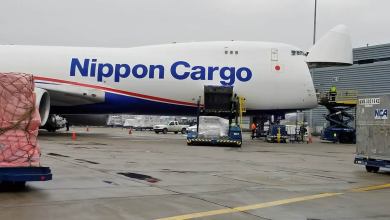
Cargo clogs US airports as freighters proliferate
Big cargo planes are dumping cargo faster than O’Hare, LAX and other airports can process it. That could mean a longer wait for your new favorite gadget.

DHL adds flight from LA to UK hub
DHL Express continues to adjust its airline network amid changing shipper needs in the COVID era.
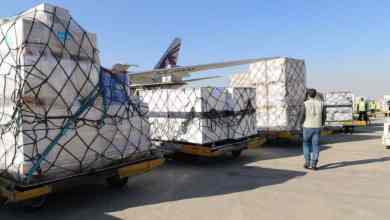
Market watch: Air cargo frenzy dies down
Face shields, gloves and hand sanitizer were yesterday’s hot airfreight product. Now the cool shipments that people need right away are yoga pants, bikes and hot tubs.
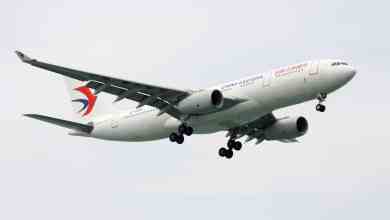
US denies China extra passenger flights
The U.S. Department of Transportation says it won’t entertain requests from Chinese airlines to operate more flights beyond the current cap.
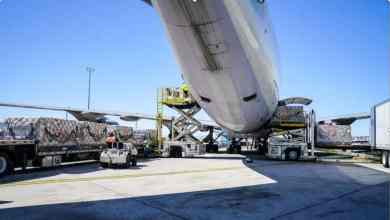
FEMA winds down Project Airbridge
Personal protective equipment is moving by ocean, so FEMA doesn’t need to charter expensive freighter aircraft anymore to get the stuff to healthcare workers.
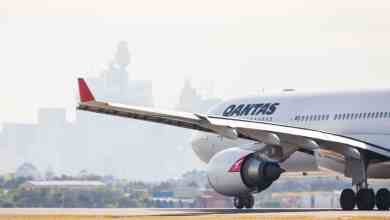
Lessons from Qantas violation for overweight cargo
Improper loading of cargo led to a weight and balance issue on a passenger plane, investigators found.
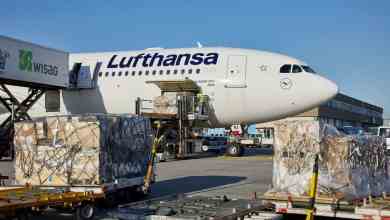
Lufthansa warns bailout in question, bankruptcy possible
Some small and mid-size airlines are filing for bankruptcy, or going out of business. Lufthansa is a major airline and it too is on the ropes.

LATAM Airlines shuts Argentine subsidiary, international cargo unaffected
LATAM Airlines Argentina is closing, but the move won’t impact international travel.

Senators blast FAA ‘stonewalling’ 737 MAX investigation
The FAA chief was on the hot seat during a Senate hearing Wednesday looking into reforming the certification process for new aircraft after the 737 MAX grounding.

Senate bill targets FAA certification process used for 737 MAX
The U.S. Senate is proposing fixes for the FAA certification of new aircraft. It’s an issue after the Boeing 737 MAX was grounded.
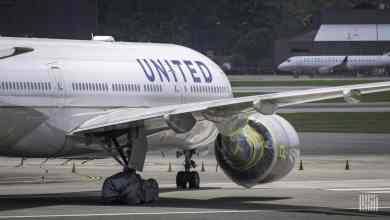
Airlines seek government help to survive winter doldrums
Winter is a cold period for airlines’ bottom lines. Throw in COVID-19 challenges and airlines face a difficult road to next year. That is why they are knocking on doors for help.

Tensions ease between US, China over airline flights
The U.S. is loosening restrictions on flights by Chinese airlines after China partially reopened its aviation market to U.S. carriers.

Airlines chafe against UK quarantine as Europe opens travel
It’s a turbulent period in Europe for the aviation industry. Regional travel is reopening in the EU, but the UK has tightened travel restrictions and airlines are struggling to stay in business without government assistance.
Market Watch: Air Cargo
It’s still a seller’s market in airfreight, but rates are finally moderating.

US-China airline quarrel exacerbates supply shortage for cargo
Air cargo and cross-border trade could be unintended victims of the dispute between the U.S. and China over access by their respective passenger airlines.
NTSB schedules public meeting on fatal Atlas Air flight
U.S. safety investigators will hold a hearing in July as they try to find out why a big cargo jet carrying Amazon packages crashed last year.
Cathay Pacific, Austrian Airlines recapitalize with state help
Governments are taking equity stakes in airlines or putting conditions on them for aid. Cathay Pacific, a big passenger-cargo combination carrier, and Austrian Airlines are two of the latest to get a helping hand.
US reallocates Asia cargo routes to Kalitta and FedEx
UPS didn’t need its weekly traffic rights on a key Asian route, so it turned them in. Two other airlines immediately pounced and were granted the routes by the U.S. government.
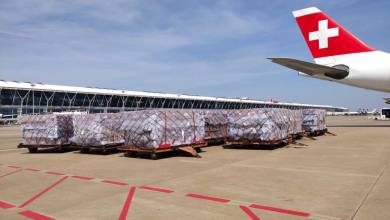
Cargo revenues buoy airlines amid $84b loss for 2020
Airlines continue to send out SOS distress signals. The industry’s main trade association says profit margins will drop 20% this year, but the increased reliance on air cargo is helping companies stay alive and keep employees.
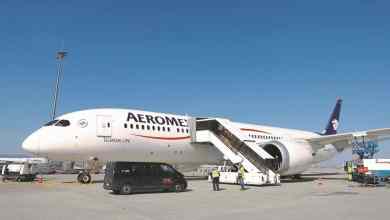
‘Ghost’ freighters provide marginal boost to shippers
Passenger planes are flying empty. Are there ghosts? It sounds kind of creepy. No need to worry. Airlines are simply putting their assets to use with cargo as their primary customer.
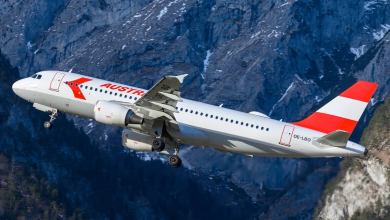
Airlines restore some service, but finances remain grim
Airlines are looking at a multiyear road to parity with 2019, but bookings have given them confidence to start opening up networks closed by the coronavirus.
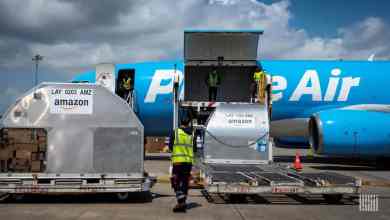
Analysis: Amazon Air and ATSG grow together
Amazon Air has gone from start-up to mid-size cargo airline in four years. By mid-decade, it is expected to be in air cargo’s major leagues.
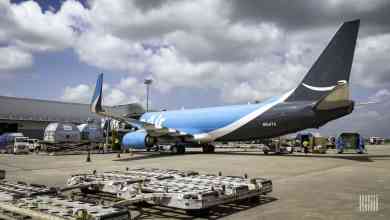
Amazon Air to expand fleet with 12 freighters
Amazon’s growth is relentless. It’s more than package trucks and online selections. Now it’s expanding its airline to more than 80 aircraft.
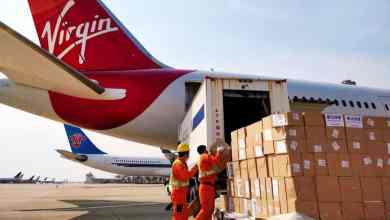
No letup in volatility for air cargo market
The airfreight market is a volatile conundrum. Overall, demand is down. But with few planes flying these days and everyone wanting a face mask, good luck finding affordable space for your shipment of auto parts or seafood.
Airlines fight to exit ‘intensive care’
June is supposed to be the heavy travel season, but instead of operating full planes, airlines are busy trying to save their financial lives.
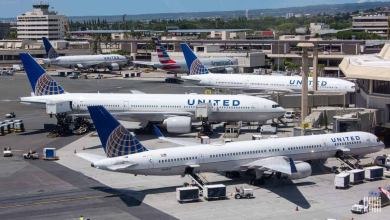
With eye on rebound, United looks for alternative to furloughs
Mass layoffs can help a company survive the coronavirus recession for the time being, but the damage will hurt its long-term prospects, United CEO Scott Kirby says.
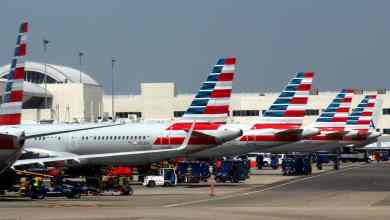
Breaking: American Airlines to eliminate 30% of mid-level staff
The U.S. government’s emergency aid package was only a Band-Aid for protecting jobs. Airlines promised not to have involuntary layoffs for six months, but now American Airlines is paving the way for mass layoffs.
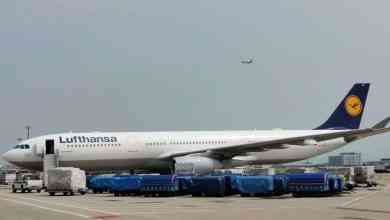
Lufthansa balks at EU conditions for German aid package
Lufthansa and Germany have agreed on a rescue plan for the airline, but the European Union wants to take a pound of flesh from the German carrier before allowing the deal to go through.

Breaking: New United CEO revamps C-suite to deal with COVID
United Airlines’ new CEO is putting his stamp on the company right away with a new tteam to steer the company through the coronavirus pandemic and beyond.
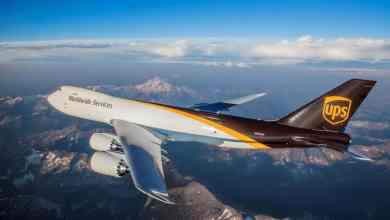
E-commerce drives multipronged expansion at UPS Airlines
The coronavirus isn’t slowing down UPS Airlines. It’s continuing with a major fleet expansion and new routes because of e-commerce trends.
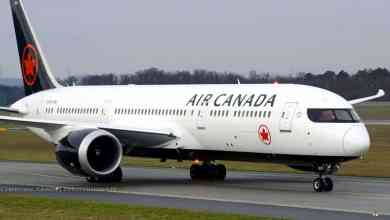
Air Canada raises $750 million to boost liquidity
Airlines like Air Canada are raising private capital through various means, while also seeking emergency government assistance.
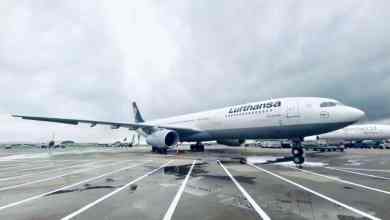
Mounting debt to shackle airlines’ pandemic recovery, group says
Airlines are in a no-win situation. They need money now to keep from going under but know that debt payments will make it more difficult to make ends meet in the years to come.