





Viewpoint: The 1 trade pipe that will signal a turnaround
Look at ocean freight bookings as a signal that manufacturing orders are increasing.

Viewpoint: Spring, summer goods latest victims in China’s COVID mess
Trade has been proven time and time again to blow away the bluster of political rhetoric. China’s sleight of hand with its COVID reporting has the WHO accusing China of “under-representing” the severity of cases, and the flow of trade can back up the WHO’s statement.
Viewpoint: Supply chain tells the truth about China’s COVID problem
China’s COVID problem and the impact on the supply chain are not going away anytime soon.
Viewpoint: Ocean girdle tightens as trade slims down
Like all previous maritime boom cycles, things are starting to turn down. That reshaping of trade is creating a misleading message on demand.
Viewpoint: Tricks or treats? World of logistics has big bag of rocks
Tanker and diesel crisis, looming rail strike and Mississippi drought adding pressure on logistics managers.
Trade takes people: Navigating new economic normal and year of labor
The imbalance of the supply chain now is based on human error and port congestion. We know trade is slowing down, but the congestion skews the reality of the pullback in orders.
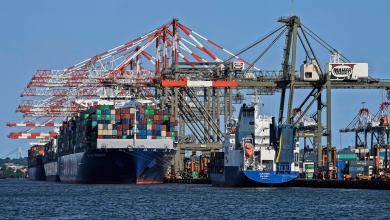
Viewpoint: There are winners and losers in the diversion of trade
An increase in vessels calling on the East Coast and Gulf Coast ports is adding to wait times, which increases the delays of materials needed for manufacturers to complete their products or get finished products on store shelves.

Viewpoint: Trade is the harbinger of the supply chain — expect more labor strikes
A decrease in shipment arrivals as a result of congestion delays is a byproduct of labor strife.
New York/New Jersey delays implementation of fee for lingering containers
The Port of New York and New Jersey has put off charging ocean carriers for containers left at the port.
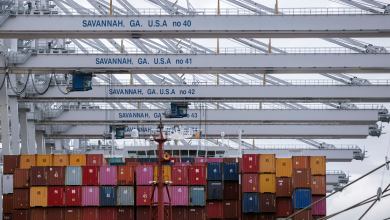
Viewpoint: Bloated — the only way to describe US and European ports
The U.S. and European ports are bloated by congestion — and only time can alleviate this situation.
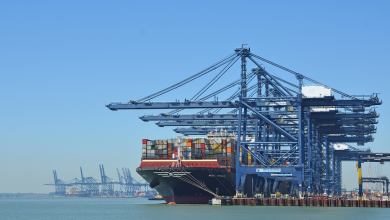
Viewpoint: The year of labor — knowing your worth
Workers responsible for the transport of goods have pushed back on wage offers in recent months, but the flow of trade is choking in this tug of the purse strings between employers and labor.
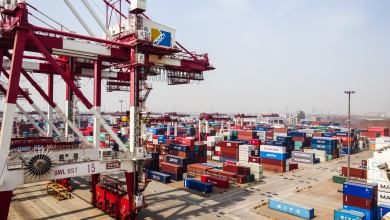
Viewpoint: Bigger mallet needed for latest game of whack-a-mole
The latest whammy? A U.K. port strike could delay deliveries of Guinness.
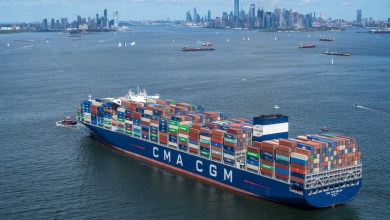
Port of New York and New Jersey sets container fee, mandatory export levels
The Port of New York and New Jersey has announced a container fee on long-dwelling import or export containers, aiming to reduce an excess of empty containers dwelling at the port and free up space for container pickup.
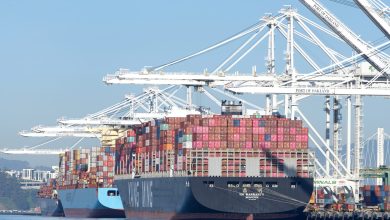
Viewpoint: Flow of trade flashing more inflation despite decreased consumer demand
“Peak season” is a term in maritime that really has lost all meaning. Since the pandemic began, the ports have been processing record volumes of containers. Inventories were wiped out when the consumer went on a gluttonous buying binge. Now the bulk buying has stopped along with purchases of furniture and appliances since consumers purchased […]
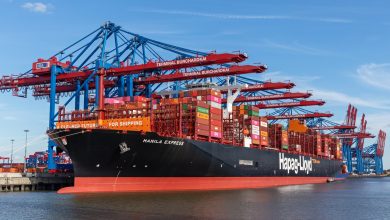
Viewpoint: Why Europe is so important to the empty-container supply
All the pipes of trade are connected. If one pipe starts to have empty-container constriction, container prices will be influenced across the board.
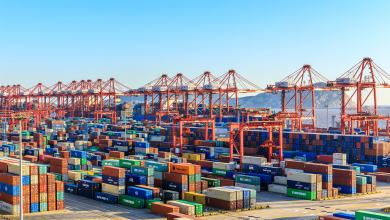
Viewpoint: Another round of COVID testing in China means drayage delays coming
China’s “dynamic COVID-zero policy” means more government-mandated testing — and more drayage delays.
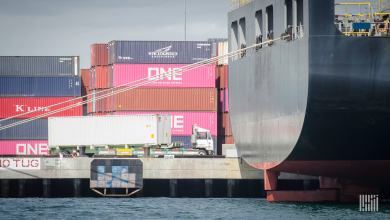
Viewpoint: Rail service from LA/Long Beach ports moving at speed of sloth
The buildup of vessels anchored off East and West Coast ports translates to around $30 billion, according to MDS Transmodal.
Viewpoint: German labor talks at impasse
Contract talks between German port employers and labor union ver.di have bogged down over questions about inflation’s impact on wage increases.

Viewpoint: How do you put value on today’s longshore workers?
Labor strikes and slowdowns at ports in Germany, Antwerp, Belgium, and Rotterdam, Netherlands, are crippling trade and could trigger more logistical inflationary pressures for U.S. importers and consumers.
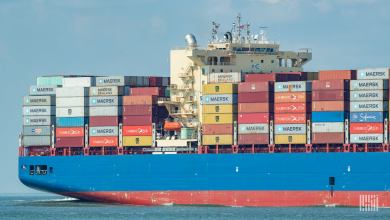
Port director says East Coast seeing a boom
Port of New York and New Jersey executive director says the flow of trade originally bound for the West Coast and redirected to the East Coast has been substantial.