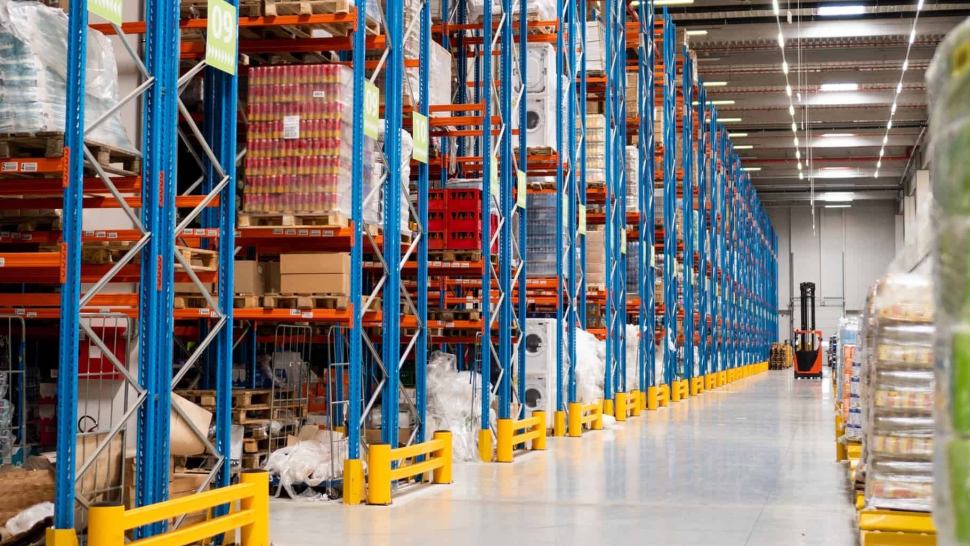
The available supply of U.S. industrial and logistics real estate increased during the first half of 2019, marking the first time in eight and a half years that available domestic industrial space has risen, according to a report published July 15 by real estate services giant CBRE (NYSE:CBRE)
The most recent results reinforce the moderating trend in the red-hot industrial market that had been forecast heading into 2019. A cooling U.S. economy, slowing economies around the globe and concerns over U.S.-China trade tensions were expected to dampen investment plans, albeit not significantly. Availability has increased, also as expected, as more supply has entered the U.S. market compared to a year ago.
According to CBRE’s analysis of the top 51 U.S. markets, the second quarter availability rate for industrial space increased by six basis points to 7.1 percent. CBRE also revised its first quarter availability results to show a two basis points increase from a half basis point decline. CBRE defines availability as the sum of vacant space plus space currently occupied but being marketed to new tenants, a sign the existing tenants, for whatever reason, are not renewing their leases.
In the second quarter, CBRE said 14 U.S. markets registered declines in industrial availability from the previous quarter, 33 markets reported increases and four remained unchanged. The industrial property universe combines manufacturing and logistics assets; CBRE does not separate the two segments in its reports.
The availability rate is down 12 basis points year-over-year, CBRE said. A year ago at this time, space was extremely tight and the psychological impact of the U.S.-China trade dispute was not fully felt. Richard Barkham, CBRE’s head of Americas research and the company’s global chief economist, said the U.S. industrial market remains very tight. Yet the current data might “provide respite” for users that have faced scant availability for years Markham said.
Supply and demand have been relatively balanced for the past 12 months, with developers delivering 206 million square feet of new space and users occupying 208 million square feet of new space, according to CBRE data. Demand for industrial space, especially for larger buildings,will ease slightly in the coming quarters as the U.S. economy slows, Markham said. However, the fundamentals driving the seemingly insatiable need for capacity, principally the continued growth of e-commerce and fulfillment services that support it, remain intact, CBRE said.
F3: Future of Freight Festival
Industry-defining keynotes, rapid-fire technology demos, and industry leaders networking in experiences across Chattanooga - plus the inaugural F3 Awards Dinner featuring the FreightTech and Shipper of Choice reveals.
Industry-defining keynotes, rapid-fire technology demos, and industry leaders networking in experiences across Chattanooga - plus the inaugural F3 Awards Dinner featuring the FreightTech and Shipper of Choice reveals.
The Signal at Chattanooga Choo Choo • Chattanooga, TN Register Now