Class I railroads upbeat about intermodal in 2021
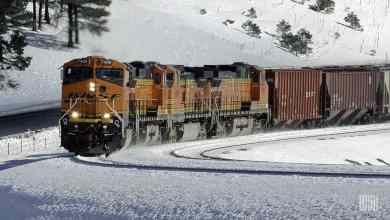
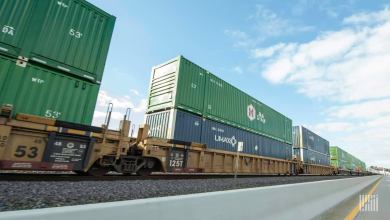
Anticipated consumer spending levels, retail restocking and tight truck capacity are among the factors that could support intermodal volumes this year, according to Class I rail execs.
Railroads continue to play a significant role in North America’s economic infrastructure. According to the U.S. Department of Transportation Federal Railroad Administration, the U.S. rail freight network covers almost 140,000 route miles and is generally considered the largest, safest, and most cost-efficient freight system in the world. In addition, says the FRA, the almost $80 billion rail freight industry creates more than 167,000 jobs across the country.
In essence, rail freight companies charge businesses to carry cargo across their network of rails. Their rates are overseen by the Surface Transportation Board, a federal agency that regulates financial aspects of surface transportation. Major railroads in North America include Union Pacific Railroad, BNSF Railway, CSX, Norfolk Southern, Canadian Pacific Kansas City and Canadian National Railway.
Keep up with the latest news, trends and reports concerning rail freight transport here!
Anticipated consumer spending levels, retail restocking and tight truck capacity are among the factors that could support intermodal volumes this year, according to Class I rail execs.
Revenue gains and lower costs in the fourth quarter weren’t enough to offset losses from GATX’s passenger airline-affiliated joint venture with Rolls-Royce.
With its acquisition of an Atlantic short line railroad in place, Canadian Pacific said the next opportunities to expand its network lie in its land holdings and partnerships.
Norfolk Southern seeks to increase train lengths and weights as part of its next stage of precision scheduled railroading deployment, executives said during the company’s fourth-quarter earnings call on Wednesday.
Canadian Pacific reported a fourth-quarter operating ratio of 53.9%, a record low. Fourth-quarter net profit was CA$802 million, up nearly 21% year-over-year.
CN expressed confidence that it has the network capacity available to handle more volumes in the second half of 2021. But pandemic uncertainties loom in the first quarter.
Fourth-quarter net profit was $671 million. An 8% decrease in operating expenses helped to offset a 4% decline in operating revenues.
Two FreightWaves SONAR charts illustrate Union Pacific’s views of the West Coast intermodal spot market.
CN’s fourth-quarter net income was C$1.02 billion amid a 2% increase in revenue and a 5% decrease in operating expenses.
Former CSX executive Dean Piance will serve as CEO of short line operator and logistics provider OmniTRAX.
KCS plans to deploy the third phase of its precision scheduled railroading program this year as it eyes an operating ratio goal in the mid-50s by 2022.
Marty Oberman has been appointed to serve as the chairman of the Surface Transportation Board.
Elevated numbers of CSX employees who contracted COVID-19 or are in quarantine have resulted in operational challenges to the railroad in the fourth quarter and into 2021.
KCS’ fourth-quarter 2020 net profit was $165.7 million, compared with $127.2 million in Q4 of 2019.
CSX’s fourth-quarter net income slipped 1% to $760 million amid a 2% decline in revenue.
Union Pacific has the network capacity to handle an anticipated rebound in rail volumes in 2021, executives said during the company’s fourth-quarter earnings call on Thursday.
Rail could leap forward with on-time management of shipper goods if it were bolder and faster at innovating.
Union Pacific’s net profit was $1.4 billion in the fourth quarter of 2020, on par with the fourth quarter of 2019.
The Western U.S. railroad expects to invest $2.99 billion in capital projects to maintain and upgrade its infrastructure and assets.
Kansas City Southern’s new, more stringent emission target will keep the company in line with the Paris Agreement emission goals.