




Joanna Marsh
Monday, August 21, 2023
Container volumes grow in July for South Carolina Ports
July volumes at the Port of Charleston and South Carolina Ports rose 12% from June and 3% year over year.
July volumes at the Port of Charleston and South Carolina Ports rose 12% from June and 3% year over year.

Unprecedented supply-demand imbalances amid the pandemic led to historic dividend payouts by container shipping lines.
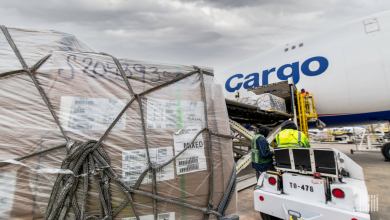
The air cargo sector was banking on a turnaround in market conditions by this fall, but it might have to wait until late next year unless demand unexpectedly revives.

The global coal trade is thriving, with dry bulk ships busy carrying the loads. As the West consumes less coal, Asia buys even more.
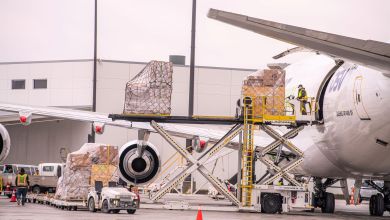
Smaller airports without big-city crowds offer many advantages to all-cargo airlines and shippers, which are taking more business to those locations.
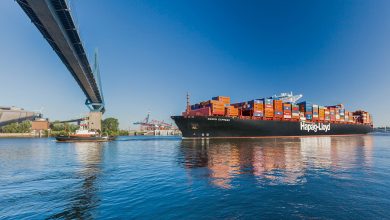
Spot ocean shipping rates from Europe to the U.S. held up much longer than trans-Pacific rates. Now they’ve sunk to historic lows.
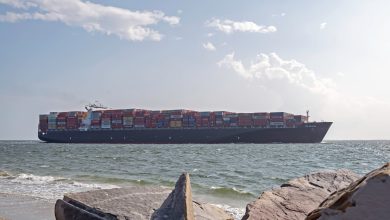
Zim lost $213 million in the second quarter. Will rising trans-Pacific spot rates help it reverse course in the third?

The current valley in airfreight demand hasn’t spooked Air Transport Services Group, which continues to invest in freighter aircraft for its leasing and airline businesses.

Price caps have been breached, discounts on Russian exports are dwindling, and more money is flowing to Russian coffers.
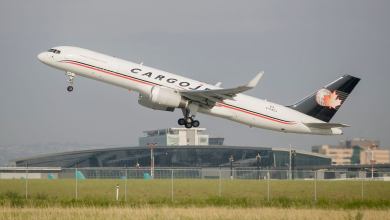
Cargojet trimmed its express flying in Canada, but lower fuel costs and other cost measures made for a relatively healthy bottom line last quarter under weak market conditions.
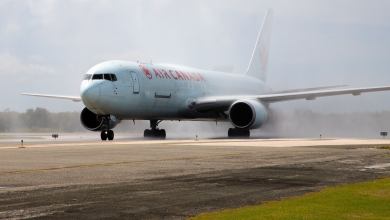
Second-quarter cargo revenue at Air Canada fell 24% — not so bad in the context of global market conditions.
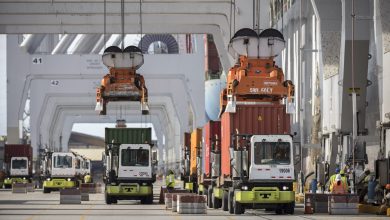
Looking ahead, Taiwanese ocean carrier Yang Ming said that “the overall momentum for economic recovery over the next two years still appears relatively weak.”

Container volumes in July rose sequentially by 17% but were down by 16% year over year at the Port of Savannah, the Georgia Ports Authority said Thursday.
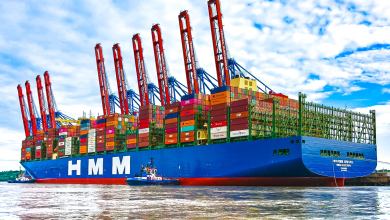
Ocean carrier HMM attributed much of its first-half net-profit nosedive of 90% to overcapacity in the container shipping industry.

“Weaker demand and lower freight rates are having a very noticeable impact on our earnings,” said Hapag-Lloyd CEO Rolf Habben Jansen.
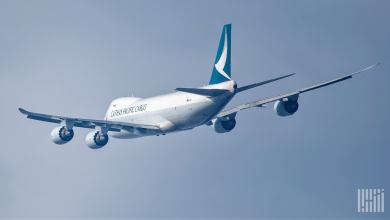
Cathay Pacific is rebuilding its passenger network after a three-year pandemic freeze, and the network effect is greatly benefiting the freighter operation.
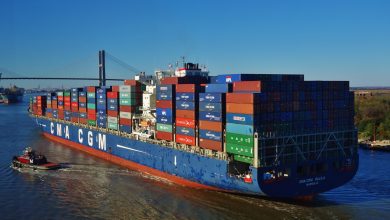
Containerized imports are rising seasonally, as expected. This year is on track to top pre-pandemic volumes by low single digits.
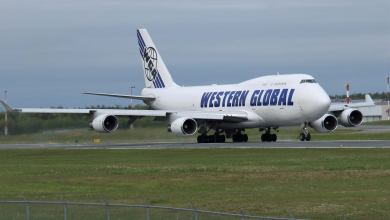
Freighter operator Western Global got in financial trouble when the overheated air cargo market cooled off last year and nearly shut down this summer before getting a financial lifeline from creditors and filing for bankruptcy.

We are now in peak season and, as all logistics data has shown, it is not going to be stellar.

DOT and MarAd are moving on a new database aimed at preventing vessel collisions.