Ceva Logistics sued over theft of employee records during data breach
A lawsuit filed against Ceva Logistics alleges the harm from a recent cyberattack extended beyond warehouse customers to employees.
The company tells FreightWaves it contained the intrusion and engaged federal law enforcement. It has not confirmed whether the hackers’ purported files are authentic or disclosed what information may be involved.
The bipartisan CORCA bill passed the House with overwhelming support, but a growing debate over cargo theft data has followed it to the Senate. Critics question whether documented losses justify a larger federal response, while supporters argue the current reporting system misses much of the problem.
Transfix has integrated Highway’s carrier vetting technology into its transportation management system, allowing freight brokers and third-party logistics providers to verify carrier identity, insurance and operating authority without leaving the platform. The integration reflects a broader industry shift toward embedding fraud prevention directly into transportation management software.
As cargo theft continues to climb across the United States, Trucker Path has integrated Verisk CargoNet cargo theft intelligence into its navigation platform. The new feature provides drivers with county-level theft risk ratings, theft trends and commodity data while planning routes, as CargoNet reports more than 1,120 cargo theft incidents and $121 million in estimated losses during the first five months of 2026.
The AI boom is changing more than technology. It is reshaping supply chains, increasing demand for critical components and creating a new class of high-value cargo targets. The question is not whether criminals are paying attention. It is how quickly the transportation industry can adapt.
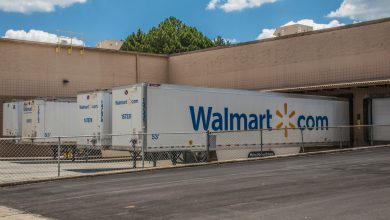
After criminals allegedly hijacked a Walmart-bound shipment, Global Protection discovered that legitimate carriers, drivers and paperwork are not always enough. The company explains how the incident changed its approach to verification and why slowing down became part of its security strategy.
The cargo was unusual. The alleged theft method was not. According to public reporting, criminals compromised a legitimate carrier’s identity and used it to divert a Walmart-bound shipment worth $1.7 million, a tactic the FBI says is becoming increasingly common.
The July 4 holiday doesn’t create supply chain vulnerabilities. It exposes them. As freight sits unattended and operations slow down, security experts warn that organized theft groups are watching closely.
For decades, transportation operated on trust, speed, and relationships. On this episode of Fraud Watch, Malcolm Harris explains why that model is changing as freight fraud becomes more organized, verification becomes more critical, and companies are forced to rethink how freight moves through their operations.
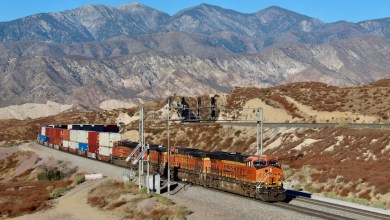
Investigators say organized cargo theft crews continue targeting Arizona rail corridors, with train burglaries occurring up to a dozen times each month across Northern Arizona.
Prosecutors say a group accused of impersonating legitimate trucking carriers diverted millions of dollars in freight before the cargo was allegedly moved, stored and resold. The indictment details six separate theft incidents spanning multiple states.
As freight fraud, cargo theft and cyber-enabled crime continue to evolve, the National Motor Freight Traffic Association has launched a new Threat Report Portal designed to help transportation companies anonymously share incidents and identify emerging risks. NMFTA says the platform will provide a centralized location for reporting fraud, cyber threats and suspicious activity while helping the industry build a clearer picture of evolving criminal tactics.
From cartel-linked theft investigations to testimony before Congress, Lemm’s message was clear: cargo theft is no longer just a transportation problem.
Cargo theft and freight fraud are forcing brokerages to rethink how freight moves through trusted systems. As organized theft groups evolve, repeatable verification processes and operational discipline are becoming more important than speed alone.
Banks learned years ago that fraud prevention requires more than instinct or technology alone. They built compliance roles, documented procedures, and repeatable verification processes designed to reduce risk and stand up in court. FreightWaves believes the transportation industry is now entering that same shift.
Cargo theft is not slowing down. It is adapting. What used to happen outside the operation is now happening inside it.
DOJ targets organized cargo theft and freight fraud, elevating federal focus within the logistics industry.
Freight fraud exposed: $10M scam highlights logistics vulnerabilities and cargo theft risks.
FBI warns of rising cyber cargo theft, as cybercriminals increasingly target freight industry operations