Trucking shows its true colors during the hurricanes
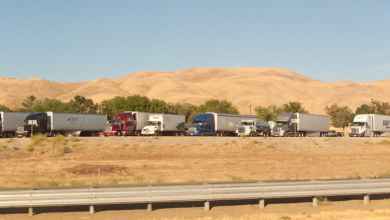
The trucking industry, working in partnership with major retailers and consumer package goods companies respond to the recent devastation by delivering much needed relief supplies.
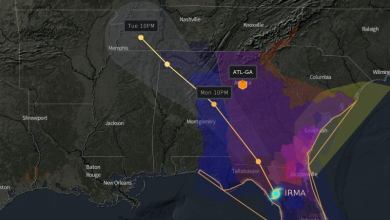
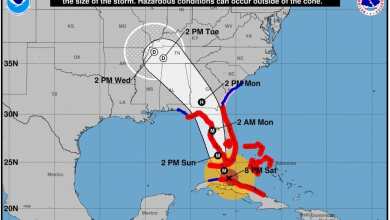
As Hurricane Irma continues to move through the Southeast, some of its impacts are now being assessed, and they are likely to disrupt operations for many for days and weeks to come.
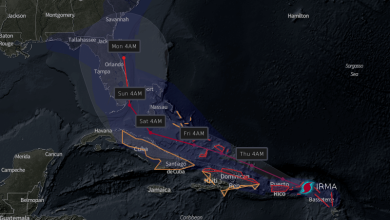
Hurricane Irma was already impacting Florida on Saturday afternoon with the storm forecast to come ashore Sunday morning. The track of the hurricane is now expected to take it through Florida and into Georgia, South Carolina and possibly Alabama and Tennessee by Wednesday.
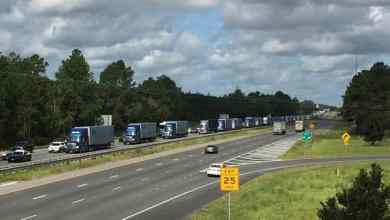
Ports were closed and Florida highways were jammed with people on Friday fleeing Hurricane Irma, as the Category 4 storm approached the state.
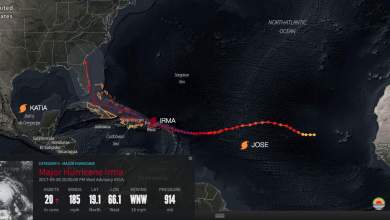
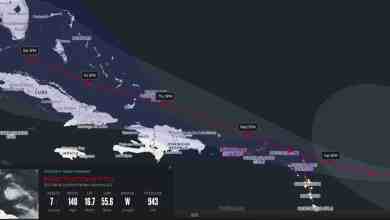
Hurricane Irma has remained a Category 5 storm as it continues its path towards the U.S. A slight eastward shift of the projected path has not changed the danger for Florida from the storm, but it has brought South Carolina, North Carolina and Georgia more in play for a possible direct hit.
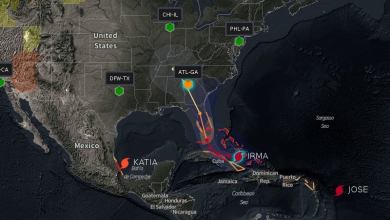
The latest guidance on Hurricane Irma is suggesting that the storm is more likely than not to strike the east coast of Florida or the Southeast U.S., with effects first being felt on Sunday, according to supply chain risk analysis firm Riskpulse’s latest Watchtower Alert.
Over the past few days, we have received a large number of inbound requests asking for thoughts on Irma and what fleets can expect. Whenever a major hurricane strikes, logistics relief efforts follow a similar process.
Hurricane Irma intensified overnight and is now a Category 5 hurricane in the Atlantic on a possible course for the East Coast of the United States. According to Riskpulse, interests along the East Coast, particularly Florida, should be closely monitoring the storm for potential impacts by this weekend.
FEMA disaster relief logistics highlights the need for blockchain implementation. Blockchain is an emerging technology that promises to bring transparency and visibility to transactions.
Grain supplies have been trending up in the U.S. as prices have remained relatively stable, causing farmers to hold onto their crops longer hoping for a boost in prices. Hurricane Harvey, though, is making the situation worse as grain exports have nearly stopped.
Just as the nation recovers from Hurricane Harvey, there is another tropical system brewing that has the potential to impact the U.S.
Harvey is the kerosene to accelerate the trends towards a major capacity crunch in the truckload industry. With as much as ten percent of capacity being impacted, combined with surpluss demand coming from relief and rebuilding- the truckload market capacity is expected to be super tight
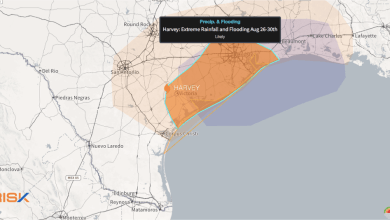
As Texans come to grip with the impact of Harvey on their lives- we examine the impact of the storm on the freight markets. Harvey relief demand is expected to be enormous and will likely dwarf the truckloads sent to help in Katrina efforts.
While recovery efforts are still ongoing in many areas, the nation as a whole is about to feel the impact of Hurricane Harvey through increased fuel prices.
Even as the industry steps up to help, dedicating thousands of trucks and millions of cubic feet of capacity to relief efforts, an analysis from FTR says that approximately 7% of the industry has been affected already and some of that will be affected for weeks.
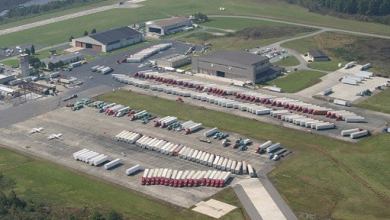
Texas’ largest grocery store chain responds to disaster with a convoy of specially outfitted trucks and trailers to deliver relief food, medical supplies, and dry-goods.
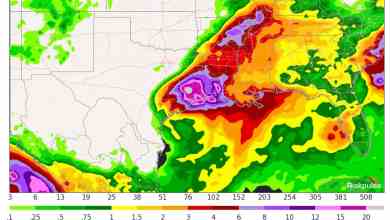
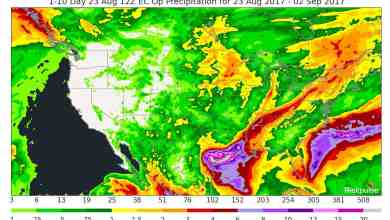
While Harvey may no longer be a hurricane, its flooding rains are expected to continue for days, causing major disruptions to travel and shipments in the state.
One of the worst storms to hit the US ever. Heavy flooding expected. Shipments affected but major disruptions expected over the next few weeks.
The Federal Motor Carrier Safety Administration has suspended certain commercial regulations in Texas and Louisiana, including hours of service, for drivers providing “direct assistance” for hurricane relief under regulation 49 CFR 390.5.
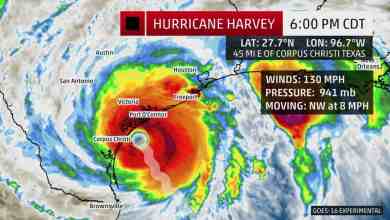
The time has arrived as the Texas coast braces for the nation’s first major hurricane landfall in 12 years. Hurricane Harvey was upgraded this afternoon to a Category 3 hurricane with winds of 125 mph. According to Riskpulse, the forecast track has remained consistent, with landfall later tonight near central Texas.