




Jim Blaze
Friday, March 6, 2020
Commentary: Has the outlook for intermodal railcar purchases stalled?
Jim Blaze writes about the outlook for intermodal rail in 2020.
Railroads continue to play a significant role in North America’s economic infrastructure. According to the U.S. Department of Transportation Federal Railroad Administration, the U.S. rail freight network covers almost 140,000 route miles and is generally considered the largest, safest, and most cost-efficient freight system in the world. In addition, says the FRA, the almost $80 billion rail freight industry creates more than 167,000 jobs across the country.
In essence, rail freight companies charge businesses to carry cargo across their network of rails. Their rates are overseen by the Surface Transportation Board, a federal agency that regulates financial aspects of surface transportation. Major railroads in North America include Union Pacific Railroad, BNSF Railway, CSX, Norfolk Southern, Canadian Pacific Kansas City and Canadian National Railway.
Keep up with the latest news, trends and reports concerning rail freight transport here!
Jim Blaze writes about the outlook for intermodal rail in 2020.
Company accused of cheating its way into U.S. markets while posing a security threat

The Eastern U.S. railroad moves its leaders to new positions as the railroad continues to roll out its operating model based on precision scheduled railroading.
“In 2020 both governments expect to implement low-cost, high-impact strategies to simplify customs and immigration screening and reduce wait times,” the U.S. State Department said.
Excluding coal carloads, U.S. carloads in February fell only 0.8% from last year, according to the Association of American Railroads.
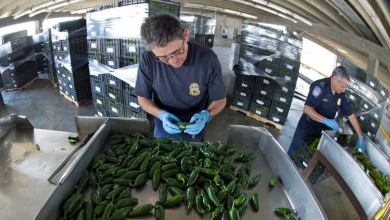
The 2019 Protecting America’s Food and Agriculture Act provides funding to help Customs and Border Protection close a shortfall among its agriculture specialist ranks over the next three years.
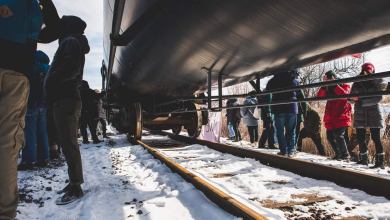
Canadian National CEO JJ Ruest still expects the company will meet 2020 targets despite a significant hit from rail blockades.
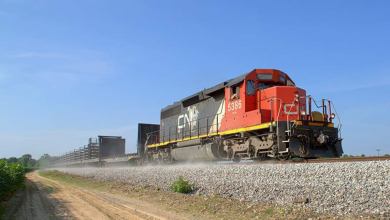
With the possibility of rail blockades fading, the railway is seeking to ramp up its eastern operations again after it had shut them down for roughly two weeks because of protests.
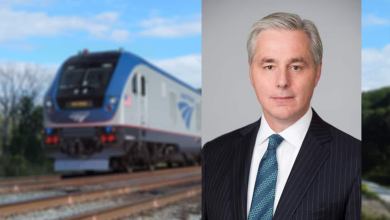
William J. Flynn was formerly CEO of Atlas Air Worldwide Holdings, and his leadership experience spans the air cargo, freight railroad and maritime industries.
The tentative agreement could help bring an end to protests on the country’s freight transportation network.
The rail industry could see merger activity in the next five to 10 years should the regulatory and economic environment make them necessary.
FreightWaves Market Expert Mike Baudendistel writes about the issues impacting rail intermodal in 2020, and the ongoing battle between the railroads and the trucking industry.

The rule, effective on April 3, addresses concerns of shippers, particularly those involved in paper products, steel scrap and agricultural goods.
Positive train control has been fully implemented on the Class I rail network, with 48% of the network able to communicate with tenant railroads.

The National Treasury Employees Union tells House appropriators that Customs and Border Protection requires an additional 1,100 officers and staff to carry out its mission at the nation’s ports of entry.
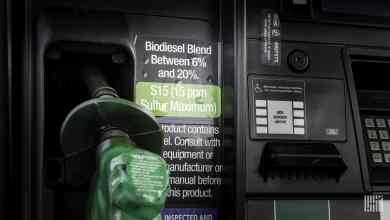
Details are skimpy at this point, but a lot more refiners are going to need to account for ethanol somehow in their operations.
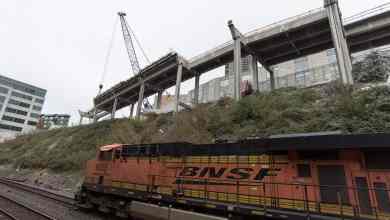
2019’s $1.2 billion in investments spans consumer, agricultural, industrial products industries
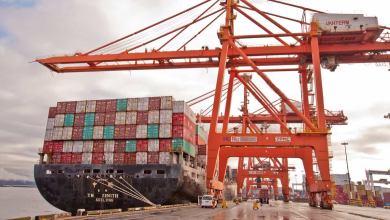
Global market uncertainty weighed down Canada’s largest container port in second half of 2019.
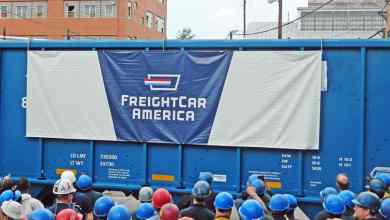
FreightCar America’s fourth-quarter results highlight the weakened railcar demand environment.

U.S. rail traffic maintains its slump for another week