




Kim Link Wills
Thursday, February 27, 2020
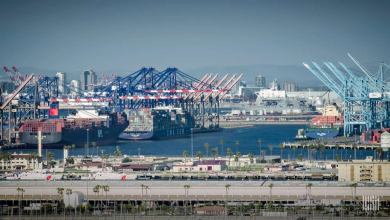
Ports of LA and Long Beach seek neighborly advice
Harbor commissions sign agreement to collaborate on common issues.
Railroads continue to play a significant role in North America’s economic infrastructure. According to the U.S. Department of Transportation Federal Railroad Administration, the U.S. rail freight network covers almost 140,000 route miles and is generally considered the largest, safest, and most cost-efficient freight system in the world. In addition, says the FRA, the almost $80 billion rail freight industry creates more than 167,000 jobs across the country.
In essence, rail freight companies charge businesses to carry cargo across their network of rails. Their rates are overseen by the Surface Transportation Board, a federal agency that regulates financial aspects of surface transportation. Major railroads in North America include Union Pacific Railroad, BNSF Railway, CSX, Norfolk Southern, Canadian Pacific Kansas City and Canadian National Railway.
Keep up with the latest news, trends and reports concerning rail freight transport here!
Harbor commissions sign agreement to collaborate on common issues.

Law enforcement may have broken up protesters’ rail blockade near Belleville, Ontario, but it’s uncertain when freight rail operations will return to normal. Stakeholders along Canada’s supply chain are also still jittery over the potential for additional blockades.
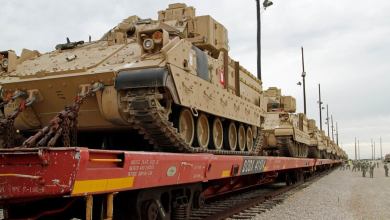
In the past 30 years railroad freight cars have been able to carry heavier loads, thanks to decisions made in the late 1980s. Read Jim Blaze’s article about what happened and how it has been very important to the railroads.
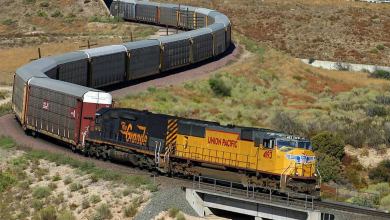
Uncertainty is still an underlying theme facing North American freight railroads.
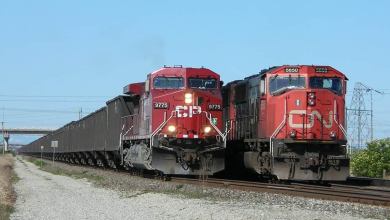
Reported deal to let Canadian National quietly route some freight around protests gets high marks from director of trucking company hit hard by the disruptions.
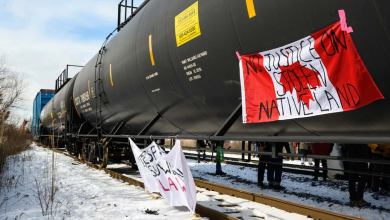
Authorities have cleared a key route between Toronto and Montreal after protesters blocked the rail route for over two weeks.
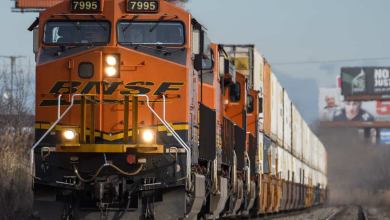
Lower operating expenses helped buoy BNSF’s quarterly and annual profits despite declines in rail volumes and revenue.

Slumping rail volumes and the Class I railroads’ operational efficiency efforts contribute to the headcount decline.
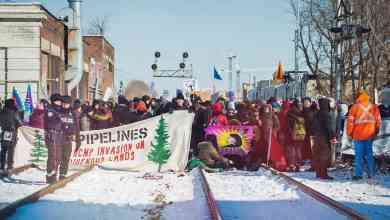
Ontario Provincial Police move to end blockades on a key stretch of CN’s rail network linking Toronto and Montreal after more than two weeks of protests that have disrupted Canada’s supply chain.

As risks surge and stocks plunge, a look at the key coronavirus issues and a rundown of FreightWaves’ coverage to date.
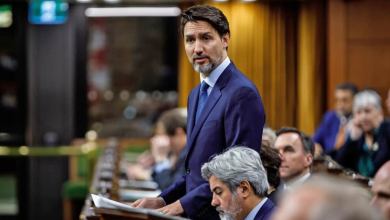
Canada’s prime minister calls two-week-long disruptions to country’s supply chains in protest of a gas pipeline ‘unacceptable and untenable’ as rail freight continues to shift to trucks.
Head of academic center sees spike in rates, or continued pain through the sector.
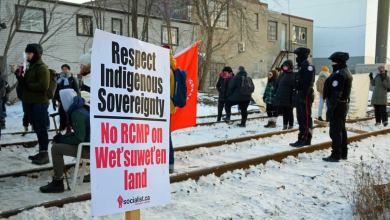
Montreal-based Energy Transportation Group moving on loads of bulk commodities as nervous shippers lose patience with two-week disruption of Canada’s rail services from pipeline protests.
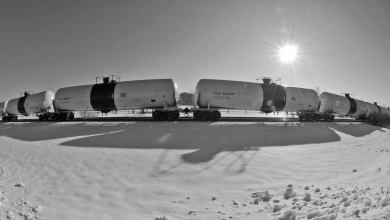
The rail equipment manufacturer and lessor is reducing deliveries of new railcars at the start of 2020, but it’s eyeing an improving market later this year.

Year-to-date U.S. rail traffic is over 6% lower than the same period in 2019.
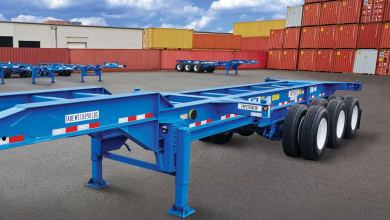
Private equity firm Stonepeak hopes the acquisition of TRAC Intermodal, a marine chassis pool manager and equipment provider, will beef up Stonepeak’s infrastructure and transportation market portfolio.
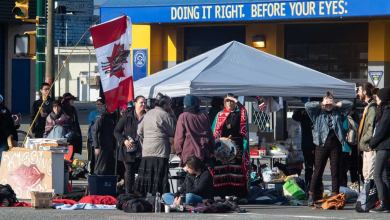
Incident captured on video on Manitoba highway underscores high stakes and worsening tensions across the country as anti-pipeline protests severely disrupt Canadian supply chains.
The rail equipment manufacturer and lessor managed to increase quarterly revenues despite a slump in North American railcar demand.
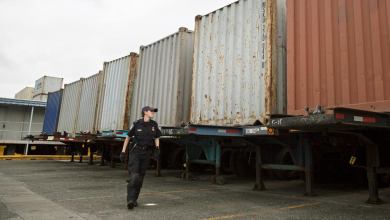
U.S. Customs and Border Protection officers at International Falls, Minnesota, discovered the illegal product in two 40-foot containers from China.
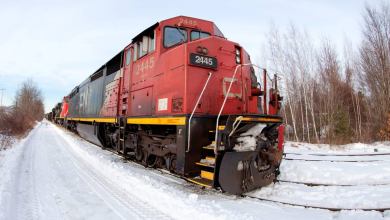
Canadian National lays off employees, industry groups warn of significant supply chain disruptions and government and First Nations leaders continue to discuss the multi-day protests that have blocked portions of Canada’s rail network.