BNSF employee dies at Denver rail yard
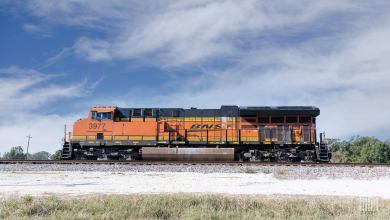
A BNSF employee was fatally injured at the Globeville rail yard on Wednesday.
Railroads continue to play a significant role in North America’s economic infrastructure. According to the U.S. Department of Transportation Federal Railroad Administration, the U.S. rail freight network covers almost 140,000 route miles and is generally considered the largest, safest, and most cost-efficient freight system in the world. In addition, says the FRA, the almost $80 billion rail freight industry creates more than 167,000 jobs across the country.
In essence, rail freight companies charge businesses to carry cargo across their network of rails. Their rates are overseen by the Surface Transportation Board, a federal agency that regulates financial aspects of surface transportation. Major railroads in North America include Union Pacific Railroad, BNSF Railway, CSX, Norfolk Southern, Canadian Pacific Kansas City and Canadian National Railway.
Keep up with the latest news, trends and reports concerning rail freight transport here!
A BNSF employee was fatally injured at the Globeville rail yard on Wednesday.
Teamsters Canada Rail Conference is polling members on whether it should call a strike at Canadian Pacific.
The Port of Savannah has seen monthly port records for the past 18 months.
Record earnings per share of $2.48 beat analysts’ estimates.
January marks the 11th consecutive month of year-over-year container records, according to SC Ports.
High scrapping rates and aging fleets provide support for railcar manufacturing as the company anticipates 2022 financial results that won’t be “obscured by restructuring activities.”
Union Pacific CFO Jennifer Hamann talks supply chain labor shortages and the proposed Canadian Pacific-Kansas City Southern merger at investment firm Stifel’s transportation and logistics conference.
The Canadian government will be working with stakeholders and labor to implement its version of PTC, called enhanced train control.
DOE’s Office of Nuclear Energy and the Navy have been collaborating to construct and test what could be North America’s safest railcar — one that would carry nuclear fuel that had been used by power plants.
From executive transitions at Union Pacific and Pacific West to January rail volumes to new offerings in the MoW lessor space, here are some news items rounding out the week.
The seasonally adjusted jobs number for truck transportation has now been more than the previous high level for two consecutive months.
Two rail unions have sent a letter to Transportation Secretary Pete Buttigieg and Labor Secretary Martin Walsh criticizing the attendance policies of BNSF and other Class I railroads.
“We’re not looking to replace trains. We’re looking to augment trains with a system that is trying to be competitive as an alternative to trucks,” said Matt Soule, co-founder and CEO at Parallel Systems.
TuSimple advances its commercialization timetable for driverless trucking and adds intermodal freight for Union Pacific at the Port of Tucson in Arizona.
Paul Titterton will become president of GATX’s Rail North America division and Scott Pelkey has assumed the role of CFO of CSX.
Railcar orders rose more than 50% in the fourth quarter, according to the Railway Supply Institute.
The investments rely on expectations that customers will want easy or green access to railroads’ intermodal offerings.
UP will examine the locomotives’ performance at its yards and in California and Nebraska and see how the locomotives can be deployed for long-haul service.
Members of BLET and SMART-TD plan to continue pursuing legal action despite a federal judge’s temporary restraining order barring them from striking.
A Mexican government crackdown has shifted volumes of refined products to truck instead of rail. But KCS hopes for that traffic to return to rail, according to executives.