Domestic intermodal to the rescue?
Domestic intermodal container volume growth over the past two months may not signal a definitive end to the rail yard blues, but it is a positive sign for supply chain managers.

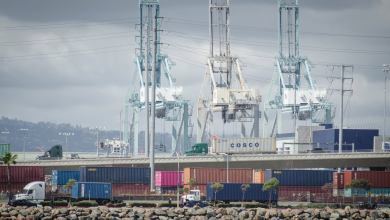
While shortages are being blamed for the bulk of the capacity shortages in transportation, the balance of the movement of goods has become incredibly lopsided.
Transportation rate growth has gone parabolic as shipping demand continues to strain networks. What are the fundamental reasons for this and how long will these conditions persist?
Used truck prices continued to hit new highs each of the last six months according to ACT Research. Prices will eventually become too much of a burden for small fleets and owner-operators to bear, if they haven’t already.
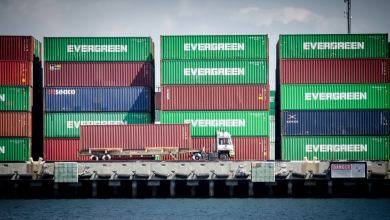
Congestion around the ports and drayage capacity issues are pushing shippers to use trucks more frequently while loaded container volumes dip. But shipping patterns are changing in more ways than just mode conversion.
Carriers are rejecting a disproportionate amount of long-haul freight heading east versus west. Does this dramatic imbalance have long-term implications?
Increasing the time between the request and requested pickup date is supposed to increase your odds of securing capacity. The aggregate data shows the opposite, but there is more than meets the eye.
Shippers are requesting as much capacity as ever from maritime shippers in August after slowing their pace through most of the summer. What should we take away from this?
June proved to be possibly the best month ever for Truckload Carriers Association members. Brokerage revenue growing alongside driver revenues helps paint a picture of success, but what is success for a carrier?
Rapidly changing shipping patterns and cost structures have made historical comparisons much more challenging for the freight market.
There are numerous reasons carrier compliance rates have been increasing over the past few months. An increase in short-haul freight may be making it easier for carriers to cover more freight.
Reefer capacity appears to be easing in the contracted space, but spot rates appear to be as touchy as ever.
Intermodal volumes are down while tender rejections are up. The rails may be missing a huge growth opportunity, but is there anything they can do about it?
Two of the nation’s largest centers for outbound freight demand saw record low levels of carrier acceptance rates this past week. This comes as the worst of the COVID capacity crunch appeared to be in the rearview mirror.
Capacity is retightening in California as demand surges once again. There are new patterns emerging that may lead to a battle for capacity between the two coasts.
Shippers are desperately trying to find a way to get their freight into the U.S. The peak impacts to surface transportation may be in the future.
Shippers may have had a little more success with contracted carriers in May, but it came at a high cost.
Shippers continue to struggle to find a reliable way to get freight into the U.S., which is causing major changes to surface transportation patterns.
In 2019 shippers crammed warehouses full of inventory coinciding with a stagnant freight market. As warehousing capacity tightens, could this contribute to the already tight transportation space?
The industrial sector is trying to recover faster than transportation can react. There are numerous factors limiting the economic recovery, illustrating that it is harder to turn production back on than off.