Is truckload capacity finally normalizing?
Truckload capacity has been extremely difficult to secure over the past 18 months, but the tender data shows things may be changing, rapidly.
Inventory levels grew at an astonishing pace in February. Is the supply chain crisis ending?
The wild fluctuations in crude oil prices have created a strong disconnect between wholesale and retail diesel prices. What are the impacts on transportation costs and subsequently carrier bottom lines?
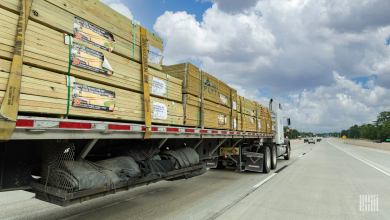
Relatively abundant for most of the pandemic, flatbed capacity has become scarcer than ever thanks to the surging price of crude and a white-hot construction sector.
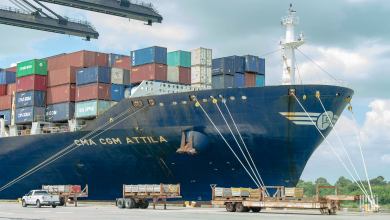
The conflict is 8,000 miles away from North America but supply chains are global, which means any disruption around the world is a threat to their well-being. As the impact of COVID diminishes, a new geopolitical threat arises.
Shippers have been bidding against each other for capacity over the past year with little to show for it, and it appears paying more will not solve the crunch.
Carriers are pricing themselves into the markets with the highest rates, which is further fueling the capacity shortage.
Equipment price inflation not only inhibits capacity growth it carries consequences well into the future.
China’s biggest holiday used to have a dramatic impact on U.S. transportation and the flow of goods. Now it seems more of an afterthought.
Carriers are working hard on covering the high-priced West Coast freight, leaving shippers in the Northeast wanting.
Reefer demand remains strong heading into late January, breaking seasonal patterns that many have come to expect.
Prices have increased 17% but carrier compliance shows only marginal improvement
After a year of record demand, shippers are hesitant to pull their feet off the accelerators heading into the “slow” season.
After a year and a half of predictive misses, procurement teams and supply chain managers are in need of Lithium to help treat their bipolar ordering behavior.
Southern California is the main entry point for imported goods in the U.S. Congestion around rail ramps and deteriorating service pushed shippers to trucking over the summer, but that trend is reversing as truckload costs soar out of the West.
Long-haul freight typically shrinks around the holiday season as fulfillment becomes a priority. The exact opposite is occurring this season, which may be indicative of shipper overcorrection.
The refrigerated truckload sector’s capacity recovery has stalled this fall while van has continued to stabilize. Here is the reason.
The trucking spot market is showing signs of softening in a somewhat unexpected time. Should shippers breathe a sigh of relief or is this the calm before the storm?
The cost of diesel fuel, a main component in the cost of trucking, is climbing rapidly. This is a hidden factor that is helping keep spot rates elevated.
Contract rates for trucking have been rising since late last year and finally appear to be effecting compliance, but at what cost?