
SONAR Sightings: Savannah imports up 8% this year; volumes in Denver hit 2-year low
The port of Savannah imported more than 200,000 TEUs in September, and truckload volumes in Denver plunged to a two-year low.
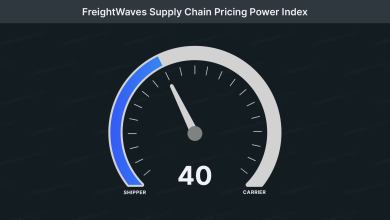

Since the pandemic started, many shippers found their existing contracts unable to ensure carrier compliance. Supply and demand were especially volatile, and so spot rates, which are more sensitive to changing market conditions, handily outpaced contract rates.
Reefer volumes in Fresno, California, continue a decline as September closes, while both inbound and outbound volumes in Memphis, Tennessee, are consistently trending upward.
Atlanta is seeing a sharp rise in outbound volume, and markets in Florida, southern Georgia and Alabama increase inbound volume in preparation for the hurricane.
Truckload volumes in Ontario, California, decline as the ports hit their lowest market share in decades, and Port Houston sees a drop in imports.
The ghost of Paul Volcker is stalking truckload carriers as Fed Chairman Jerome Powell looks to his mentor’s 40-year-old strategy to quell inflation. The lagging impacts from the recent interest rate hikes will inevitably erode demand several months into the future.
Since the pandemic started, many shippers found their existing contracts unable to ensure carrier compliance. Supply and demand were especially volatile, and so spot rates, which are more sensitive to changing market conditions, handily outpaced contract rates.
Outbound volumes from Detroit are back to their highest levels on record since 2018, and the spread in intermodal rates between Atlanta and LA is its lowest since 2021.
Imports to the Port of New York and New Jersey are down this week, causing the Elizabeth, New Jersey, truckload market to soften. Shipments worldwide are down more than 33% since July 1.
FreightWaves founder and CEO Craig Fuller outlines how FreightWaves SONAR pointed to the global freight recession months ago.
Headhaul markets historically begin to send out more volume in preparation for the holiday peak, but 2022 continues to show different trends.
Rejection rates in El Paso swung upward in response to an increase in outbound volume, and the Department of Energy clocks diesel prices below $5 per gallon for the first time since April.
Reefer volumes spike in Illinois, the port of Houston sees a record number of TEUs in August, and exports from China continue to slide worldwide.
Outbound truckload tender volumes spiked this week out of Southern California, while intermodal volumes dipped due to a brief embargo. Could this be a result of shippers preparing for a potential strike?
Outbound tender volumes are down in the last couple of days to their lowest levels since the start of the summer, and the record breaking levels in Detroit are over — for now.
Since the pandemic started, many shippers found their existing contracts unable to ensure carrier compliance. Supply and demand were especially volatile, and so spot rates, which are more sensitive to changing market conditions, handily outpaced contract rates.
Outbound volume in Harrisburg, Pennsylvania, is booming, raising its market share to 3%. Flatbed market experiences a significant decrease in rejections.
Ontario, California, makes a full recovery of outbound volume, and the spread between rates to import to the East and West coasts increases.
FreightWaves has partnered with MerQube to bring the first index to track the performance of the supply chain and logistics industry. National outbound volume levels out while rejection rates continue their decline.
SONAR data for Sept. 12 shows reefer volumes in Memphis are heating up, while the larger reefer market of Milwaukee is seeing a decrease.