




FreightWaves Staff
Wednesday, October 19, 2022
Future of Freight Festival will be epicenter of freight world – Day 2
An overview of Day 2 of F3: Future of Freight Festival.
An overview of Day 2 of F3: Future of Freight Festival.
Volumes out of Seattle are trending up this week after reaching a two-year low, and diesel prices are up more than 30 cents since the start of the month.
An overview of Day 1 of F3: Future of Freight Festival.
Imports to the Port of Houston saw an increase in the first week of October, bringing up truckload volumes. Fall produce in Spokane, Washington, builds demand.
Imported container volumes to LA are up this week after taking a drop in the beginning of Q4, allowing the surface transportation market to start to recover leading into peak season.
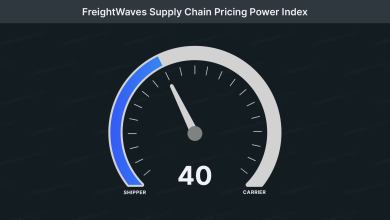
Since the pandemic started, many shippers found their existing contracts unable to ensure carrier compliance. Supply and demand were especially volatile, and so spot rates, which are more sensitive to changing market conditions, handily outpaced contract rates.
Demand peaked over the summer in Detroit, but volumes are taking a sharp drop this month; and Nashville sees a major upswing in Q4.
Reefer volumes in Illinois remained elevated throughout most of October 2021. Although they were up leading into October this year, reefer volumes have since dropped significantly.
After a monthlong decline in volumes from Southern California, they begin to tick upward this week, and spot rates from Rotterdam to New York rise 8.4%.
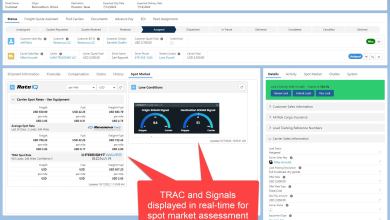
FreightWaves and Revenova announce a partnership that will benefit mutual customers.
The Lakeland and Jacksonville markets are both recovering from Ian, but tender rejections remain relatively high. Retail diesel prices are swinging back up, collapsing the spread between retail and wholesale.
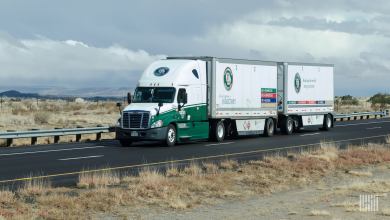
The truckload market is already experiencing a rapid deterioration in pricing. How long until the LTL market recognizes this inevitability?
Hurricane Ian boosted spot rates in the southeast over the past 10 days, but as rejection rates and volumes decline, when will spot rates on a national level take another step lower.
After reaching a six-month high in outbound demand, volume in Chicago is on a steady downward stream, and both major markets in Pennsylvania are also experiencing declines.
Dallas, Cincinnati and Denver are all experiencing upward trends after outbound volume lows.
As Southern California is the heartbeat of outbound truckload volume, the significant decrease in freight coming out of the region reflects in national freight volumes; maritime booking volume from all ports in SONAR Container Atlas are down 20% from this time last year.
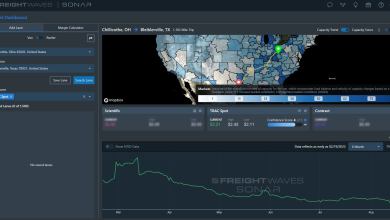
FreightWaves and Hubtek are partnering to offer SONAR data in Hubtek’s TABi Connect.
The reefer market in Milwaukee is the primary driver behind its demand, and in the last year volumes are down 59%. Ocean spot rates from China to both U.S. coasts drop even further as the fourth quarter starts.
Atlanta is seeing consistent levels of outbound volume, retaining the majority market share with 4.1%. Diesel prices are decreasing at a faster rate than they increased over the summer.
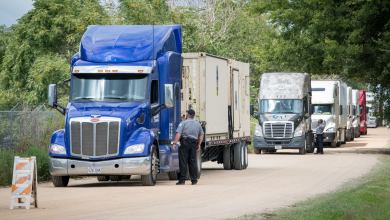
Carriers and brokers tend to have the weather on a TV somewhere in their facilities throughout hurricane season because of the dramatic impacts storms can have on their operations and bottom lines. Ian hit at a time when trucking will not be as reactive to this devastating storm.