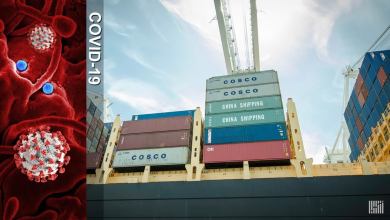
Today’s Pickup: Manufacturing supply chains are nowhere close to normalcy
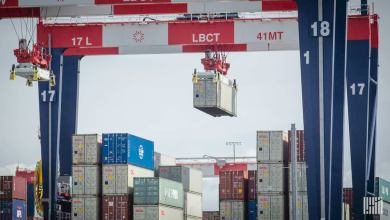
Manufacturing supply chains in for prolonged distress; U.S. oil rates in limbo; global air cargo facing severe capacity crunch.
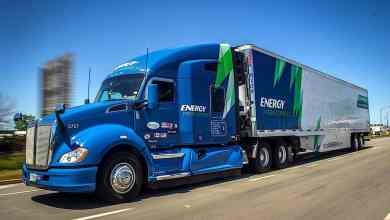
“We’ve definitely seen things coming back,” Energy Transportation CEO says as a key measure of truckload volumes in Canada rises 27% over two weeks on FreightWaves’ SONAR platform.
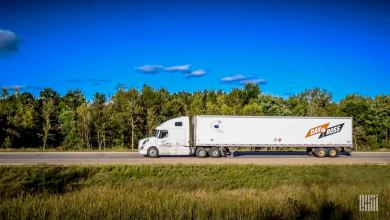
Canadian carrier Day & Ross is testing a hydrogen-injection engine technology that is said to reduce emissions. Plus, New York City is closing roads, ecommerce booms, and USMCA trade deal delayed
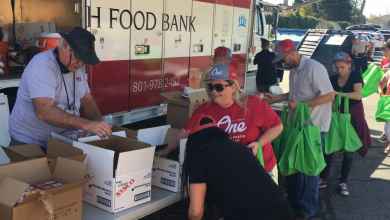
C.R. England has continued the tradition of its One Initiative, announcing it has not donated more than four million meals to food banks since 2018. Plus, New York truckers face longer wait times, Tyson Foods warns to meat shortages and retailers push for uniform reopening plans.
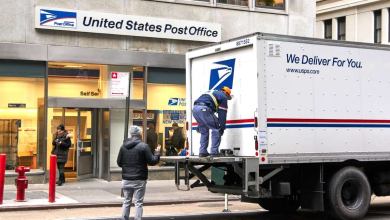
USPS stops services to 111 countries; oil rallies on gulf tensions and output cuts; Uber Freight and BluJay announce partnership.
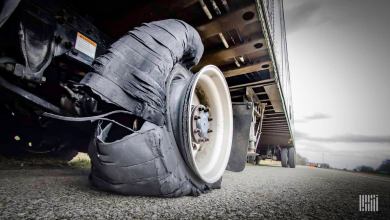
Aperia has launched a virtual training and support program for its tire inflation system to help fleets continue proper tire maintenance. Plus, diesel prices drop, Werner president talks trucking, and Earth Day brings somber reminders.
On road to recovery, Nicole Folz raises money to get more personal protective equipment in the hands of fellow truck drivers.
Two Swedish companies have formed a joint venture designed to provide supply chain end-to-end visibility down to the product level. Plus, more cash on the way for small businesses, auto inventories are clogging ports, and truck weight exemptions are being extended.
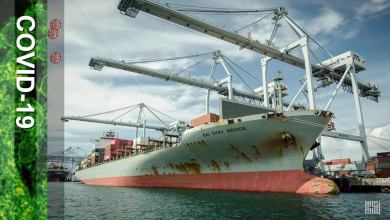
U.S. retail spending fell by 8.7% last month; oil demand to fall by 29M barrels a day in April; companies look to diversify procurement geography.
The Canadian government has ordered thousands of coffee cup-sized Spartan Cubes, but it remains unclear if it will deploy them at border crossings.
Ware2Go is providing free logistical support to a New York City non-profit donating PPE supplies to medical workers. Plus, Cass Freight Index tumbles, oil prices continue to fall and airline stimulus funds hit a snag.
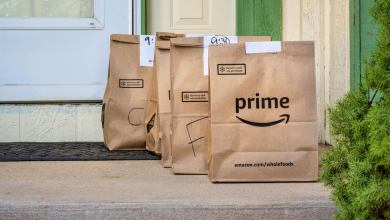
Amazon is placing new grocery delivery customers onto wait lists as it seeks to shore up orders and deliveries for existing customers. Plus, traffic declines could jeopardize road projects, just-in-time delivery impacts resupply efforts and retail sales face a long slog back to growth.
WTO expects global trade to sink by at least 13% this year; oil demand are down 50% year-on-year; economists expect 25% decline in U.S. GDP in Q2.
Canada’s Aleafia Health aims to minimize risks to its older patients and ensure steady supply by launching final-mile service.
C.H. Robinson has made a $50,000 donation to the St. Christopher Truckers Relief Fund as that organization anticipates a growing need for financial assistance for drivers that contract coronavirus. Plus, Cummins finds a use for filtration materials, Amazon postpones Prime Day, and car makers extend plant shutdowns.
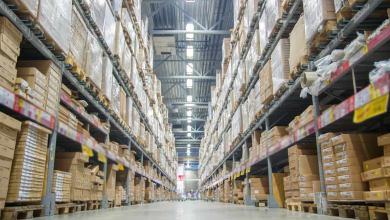
COVID-19 is driving change in industry that highlights a new way businesses may operate going forward. Plus, air cargo companies accused of jacking rates, warehouse hiring rises and trucking’s image is getting a makeover.
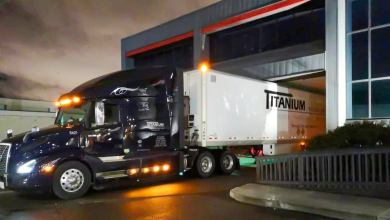
Cross-border trucking and logistics company Titanium Transportation Group explains why it decided to haul a load of N95 masks for free.
logistics workers demand hazard pay; customer traffic fell across storefronts last week; supply chains will diversify post-epidemic.
Lytx has announced a new technology that allows drivers to simply scan a QR code to be identified and assigned to a vehicle. Plus, the unemployment rate could top 30%, the next coronavirus stimulus package could include infrastructure, and the EPA is set to roll back fuel economy standards.
Workers at an Amazon warehouse are protesting conditions while Instacart workers are walking off the job amid coronavirus concerns. Plus, truck drivers are scared, but still delivering and Americans learn the value of the supply chain.