




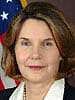
U.S. Consumer Product Safety Commission Acting Chairman Nancy Nord joined U.S. Customs and Border Protection Assistant Commissioner Daniel Baldwin and California Director of Consumer Affairs Carrie Lopez at a port press conference to announce the formation of the new Import Surveillance Division at the CPSC.
Long Beach, the second-busiest container port in the nation, will be the first port to have a permanent CPSC contingent. Staff will be added to the new division as the program is expanded to other ports. Carol Cave, CPSC's director of field operations, has been named to head up the new division.
| Nord |
CBP technical staff has already been providing CPSC with facilities and staff to test products under CPSC inspection.
CPSC is also taking advantage of the CBP import tracking system, the Automated Commercial Environment, or ACE, to help identify possible problem shipments before the shipments even arrive at the dock.
Nord also said the new division will ramp up the number of shipments tested by the agency and conduct more large-scale surveillance 'blitzes' in cooperation with CBP.
'With new strategies and growing resources, I am confident that we can prevent the entry of unsafe products into our country, remove those that do find a way in and punish those who willfully disregard the safety of our consumers,' Nord said.
In 2006, 467 consumer products were recalled for various reasons, including containing hazardous materials such as lead, prone to failures such as treads separating from a tire, contained carcinogenic materials, or otherwise posed a serious health risk to consumers.
Last year, an average of 28 product per week were recalled for safety issues, about four per day. Sixty percent of all products recalled in 2006 were imported from China and all of the recalled toys during 2007 were made in China.
Brokerage Compliance Symposium
The day before F3. Every compliance issue you face - fraud exposure, carrier liability, FMCSA rules, cargo theft, insurance gaps - navigated by attorneys and operators defining best practices in a changing industry.
F3 Awards Dinner
The night before F3. FreightTech100 companies honored. FreightTech 25 and Shipper of Choice winners revealed live. Cocktail reception into dinner and live music - 300 industry leaders in one purpose-built room.
F3: Future of Freight Festival
Industry-defining keynotes, rapid-fire technology demos, and industry leaders networking in experiences across Chattanooga - plus the inaugural F3 Awards Dinner featuring the FreightTech and Shipper of Choice reveals.
The day before F3. Every compliance issue you face - fraud exposure, carrier liability, FMCSA rules, cargo theft, insurance gaps - navigated by attorneys and operators defining best practices in a changing industry.
The Signal at Chattanooga Choo Choo • Chattanooga, TN Register NowThe night before F3. FreightTech100 companies honored. FreightTech 25 and Shipper of Choice winners revealed live. Cocktail reception into dinner and live music - 300 industry leaders in one purpose-built room.
The Signal at Chattanooga Choo Choo • Chattanooga, TN Register NowIndustry-defining keynotes, rapid-fire technology demos, and industry leaders networking in experiences across Chattanooga - plus the inaugural F3 Awards Dinner featuring the FreightTech and Shipper of Choice reveals.
The Signal at Chattanooga Choo Choo • Chattanooga, TN Register Now