




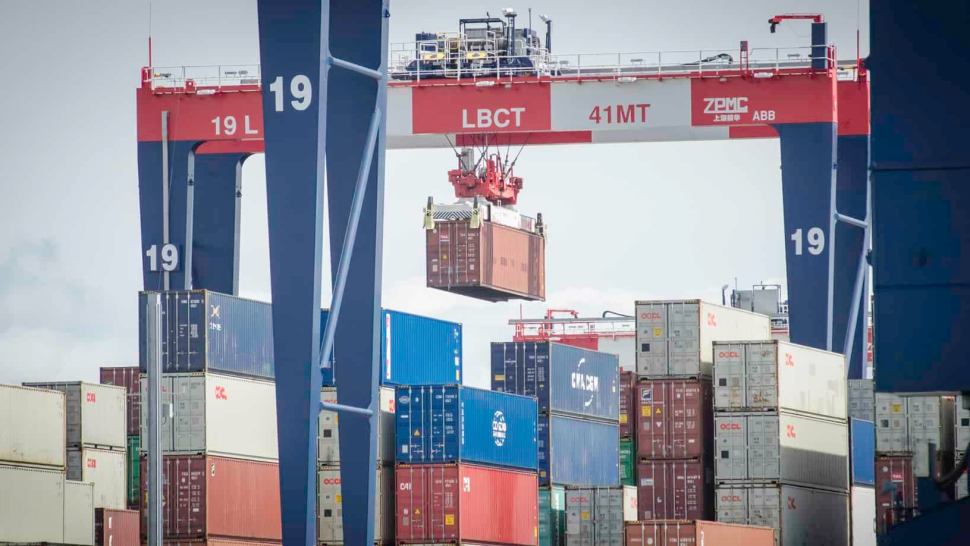
The Trump Administration wants to support automation at U.S. ports and is looking for advice from the government and private sectors on how to do it.
In a request for information published on August 2, the U.S. Maritime Administration (MarAd), part of the U.S. Department of Transportation, asked for comment from state and local agencies, companies across all transportation modes, and technology developers on opportunities and challenges of automating ports and their surrounding environment.
“At ports, various modes of transportation, such as vessels, rail and motor carriers, intersect to create a hub of freight transfer in global supply chains,” the request stated. “[MarAd] is interested in engaging in research that may help support strategies to safely implement automated transportation on and around ports.”
While the agency is seeking information on all issues related to port automation development, it’s putting out 14 specific questions for data and comment, starting with a definition of “autonomous/automated operations” at U.S. ports, and whether there should be standards to define different levels of port automation.
The agency wants to know whether ports are planning to automate, and the status of any plans already underway to integrate autonomous trucks, railroads, and/or vessels capable of operating at a fully autonomous level without human input.
“[MarAd] is particularly interested in expected or anticipated infrastructure needs, including data infrastructure, to accommodate the various components (i.e., vehicles, trains, vessels, infrastructure and equipment) working together at ports for the multi-modal transfer of freight. What concerns do industry stakeholders have regarding infrastructure planning and investment, including funding, finance and revenue impacts, required for new automation technologies and how could additional research help address those concerns? How could further integration of autonomous/automated systems and transport impact freight flows and/or supply chains both domestically and globally?”
The agency is also interested in how automated technologies may affect the port workforce – including current and future port employment demands – as well as employee training requirements. In addition, it wants input on regulatory or legal challenges that need to be addressed before autonomous trucks, trains, ships and equipment can be integrated into U.S. port operations.
“Are there current regulations and/or safety standards that impede the development and/or implementation of automated transportation systems or technologies in the port industry? If so, what are they and how should they be addressed?”
Comments on MarAd’s proposal are due by September 3.
Industry players are in the early stages of testing technology as automated transportation gains more traction in the port and maritime sector. The International Maritime Organization, which oversees maritime regulations worldwide, approved interim guidelines in June for autonomous ships.
F3: Future of Freight Festival
Industry-defining keynotes, rapid-fire technology demos, and industry leaders networking in experiences across Chattanooga - plus the inaugural F3 Awards Dinner featuring the FreightTech and Shipper of Choice reveals.
Industry-defining keynotes, rapid-fire technology demos, and industry leaders networking in experiences across Chattanooga - plus the inaugural F3 Awards Dinner featuring the FreightTech and Shipper of Choice reveals.
The Signal at Chattanooga Choo Choo • Chattanooga, TN Register Now